Get your free personalized podcast brief
We scan new podcasts and send you the top 5 insights daily.
Developers using OpenAI's API are warned that Sam Altman will analyze their usage data to identify and build competing features. This follows the classic playbook of platform owners like Microsoft and Facebook who studied third-party developers to absorb the most valuable use cases.
Related Insights
OpenAI embraces the 'platform paradox' by selling API access to startups that compete directly with its own apps like ChatGPT. The strategy is to foster a broad ecosystem, believing that enabling competitors is necessary to avoid losing the platform race entirely.

Developers using OpenAI's API risk having their innovations copied. The company allegedly studies API usage to identify successful applications and then builds competing features, a strategy historically employed by platform giants like Microsoft and Facebook to absorb value from their ecosystems.
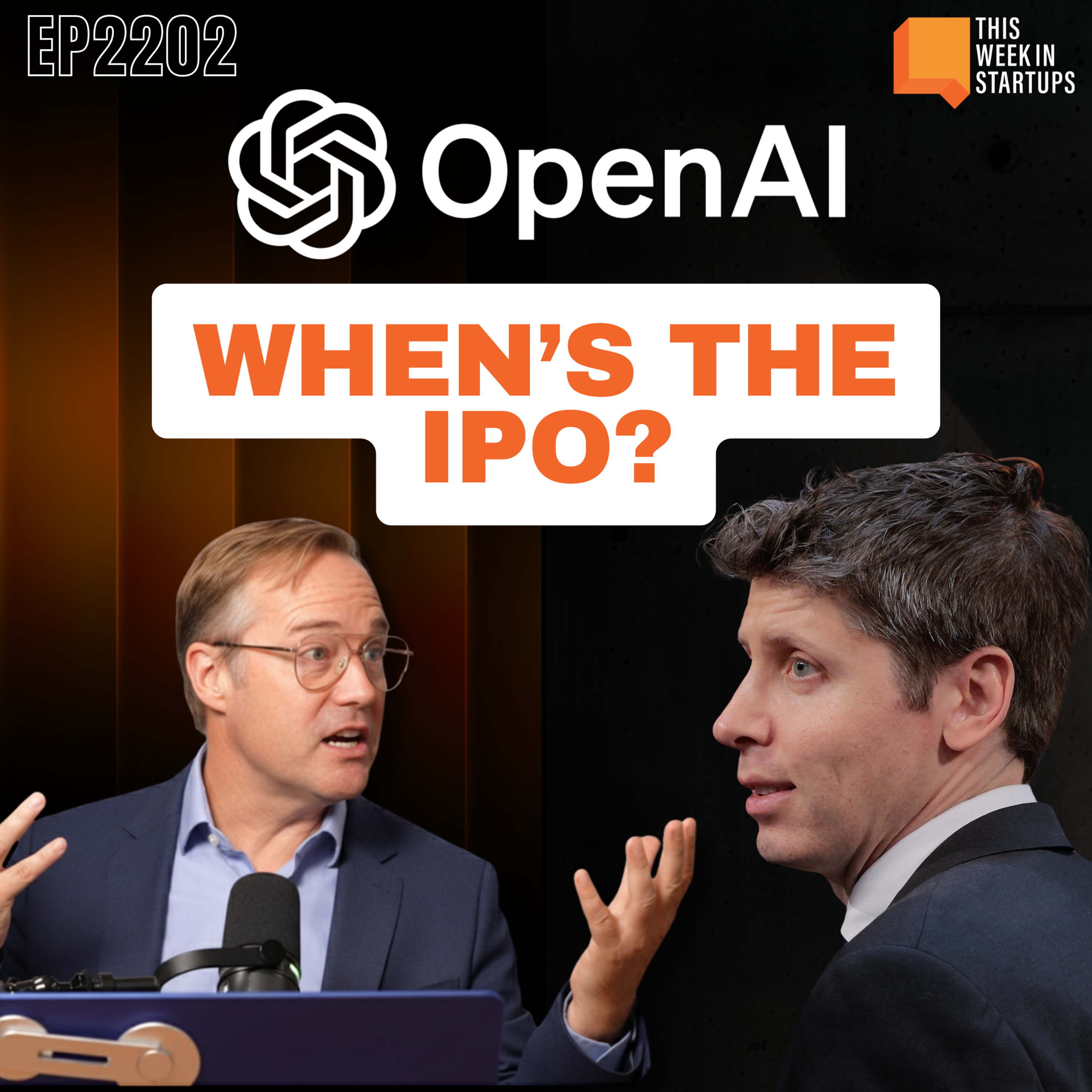
Widespread anxiety from founders before OpenAI's Developer Day highlights a key challenge for AI startups. The fear is not a new competitor, but that the underlying platform (OpenAI) will launch a feature that completely absorbs their product's functionality, making their business obsolete overnight.

By identifying its highest-volume API customers, such as Duolingo and Indeed, OpenAI effectively signals its future product roadmap. The companies consuming the most tokens represent the most valuable application layers, which OpenAI will inevitably enter to capture that value for itself.
An analysis suggests most AI startups claiming proprietary tech are just wrappers around major LLMs. This can be verified by 'fingerprinting' their APIs; if a startup's service has the exact same unique, exponential rate-limiting pattern as OpenAI's, it's a clear sign they are just reselling the underlying service.
The assumption that startups can build on frontier model APIs is temporary. Emad Mostaque predicts that once models are sufficiently capable, labs like OpenAI will cease API access and use their superior internal models to outcompete businesses in every sector, fulfilling their AGI mission.

Startups are becoming wary of building on OpenAI's platform due to the significant risk of OpenAI launching competing applications (e.g., Sora for video), rendering their products obsolete. This "platform risk" is pushing developers toward neutral providers like Anthropic or open-source models to protect their businesses.
The choice between open and closed-source AI is not just technical but strategic. For startups, feeding proprietary data to a closed-source provider like OpenAI, which competes across many verticals, creates long-term risk. Open-source models offer "strategic autonomy" and prevent dependency on a potential future rival.

A developer reverse-engineered 200 AI startups and found that 146 were primarily wrappers for major APIs like OpenAI and Claude, despite marketing claims of "proprietary language models." This suggests a widespread disconnect between technical substance and marketing hype, a critical due diligence flag for investors and enterprise buyers in the AI space.

A growing movement in the startup community involves not using OpenAI's API. Founders fear OpenAI, in its push for revenue, will release services that directly compete with and kill startups built on its platform, similar to Microsoft's historical "embrace, extend, extinguish" strategy.