Get your free personalized podcast brief
We scan new podcasts and send you the top 5 insights daily.
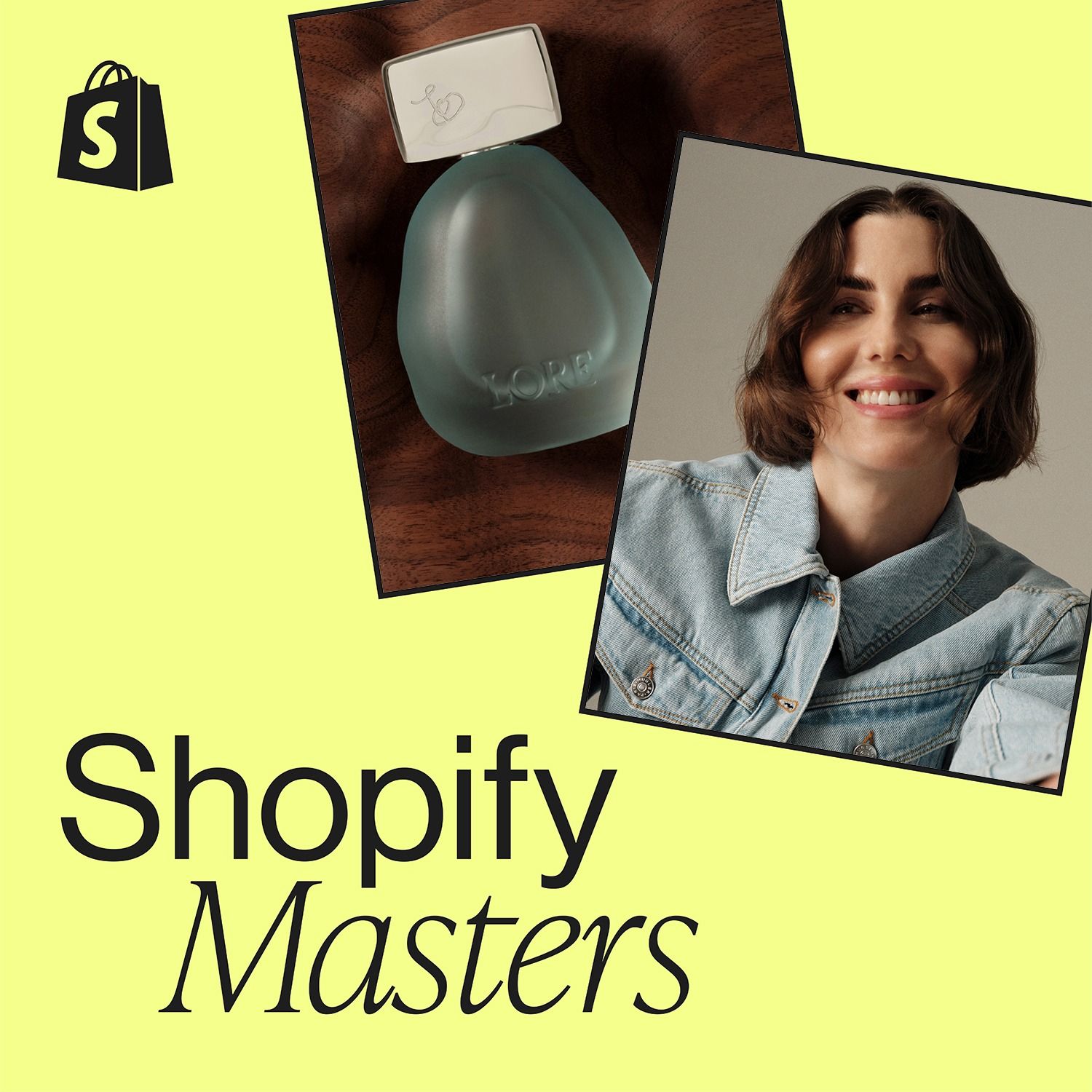
To market fragrance online, Lore sells the feeling, not just the scent notes. By sharing the personal story behind a scent, the brand creates an open invitation for consumers to connect their own powerful memories, making an invisible product emotionally tangible.
Related Insights
The brand’s first fragrance wasn't born from market research but from the founder's personal need as a makeup artist for a scent that was clean and not overpowering to clients. This hyper-personal origin created a unique product and became a core theme for all future development.

Encilia Hair struggles to market its comfortable-but-unseen wig materials. The advice was to create videos that physically demonstrate the difference. By turning the wig inside-out, stretching the material, and comparing it to stiff competitors, the founder can make an invisible feature like comfort a visible, compelling selling point.

Instead of ads, create physical objects or experiences that embody a brand's story. These "narrative objects," like The Ordinary's "Periodic Fable," generate more lasting impact and conversation because the object becomes the story, not just a vehicle for it.

Companies like Bath & Body Works are moving beyond visual marketing by infusing physical spaces with signature scents. This "scent-a-gration" leverages the powerful link between smell and memory to create deep, lasting brand associations in high-traffic areas.

Product inspiration can come from unexpected places. On Running's CPO points to the perfume industry's ability to sell an intangible feeling through packaging and branding as a key lesson in creating an emotional connection with consumers, even for highly functional products like running shoes.
To sell without feeling "slimy" or inauthentic, build your promotional content around the personal stories and challenges that led you to create the product in the first place. This approach connects your solution to a real pain point you've experienced, making the sale feel genuine for both you and your audience.

Marketers over-index on visuals, but other senses are more powerful. The brain processes sound 1,000 times faster than images, making audio branding potent. Scent is our most primal sense, bypassing logic to connect directly with deep memories and emotions, capable of boosting sales by 41% without the shopper even noticing.

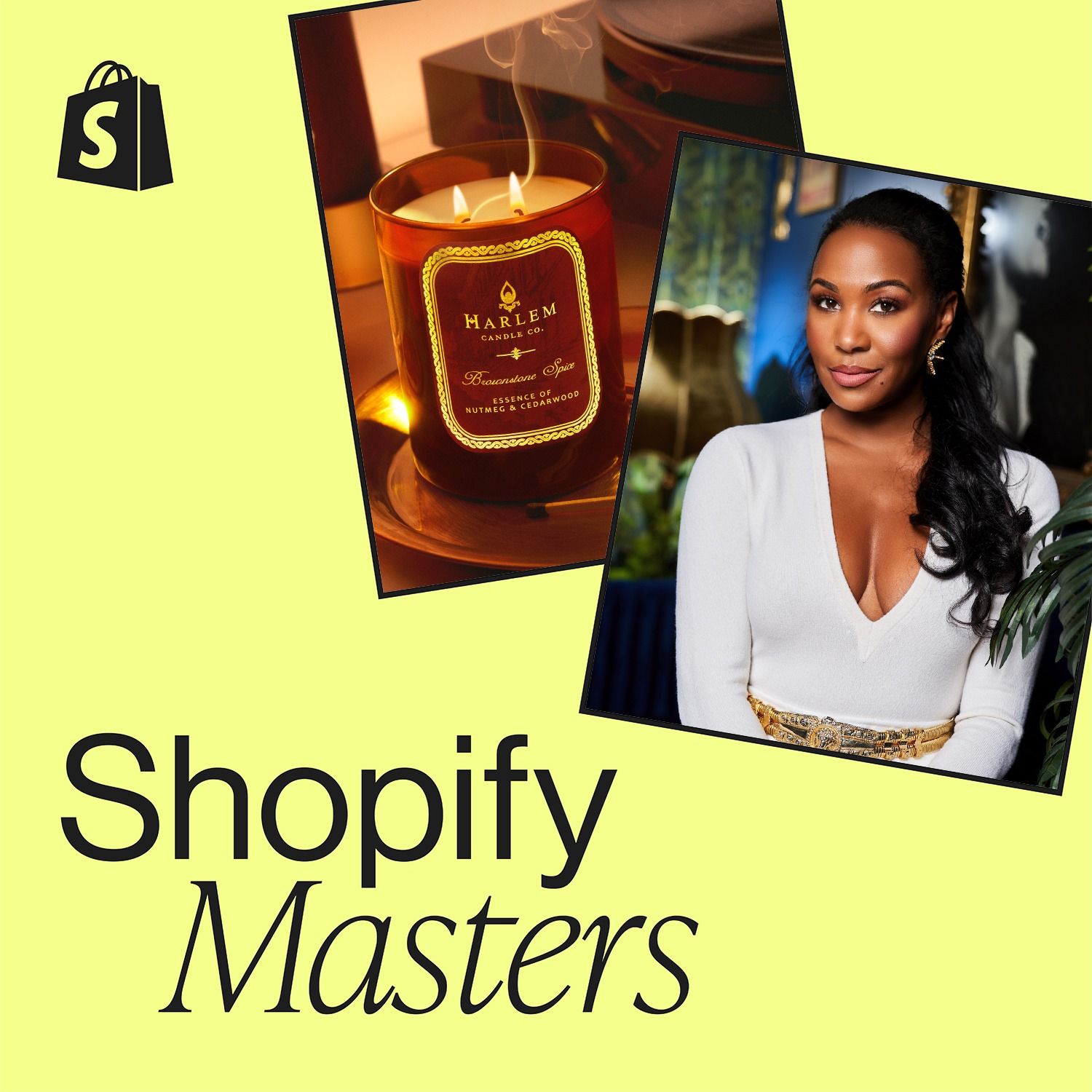
To sell candles online without customers smelling them, Harlem Candle Co. hired top-tier fragrance copywriters to create evocative descriptions and a high-end photographer (found via a DM slide) to produce luxury visuals, effectively bridging the sensory gap.
A brand's marketing narrative should focus on the underlying emotional experience it provides, such as "family time" for a puzzle company. This single, powerful theme can unite a diverse portfolio of products under one compelling story, creating a stronger brand identity than marketing individual product features.
Move beyond listing features and benefits. The most powerful brands connect with customers by selling the emotional result of using the product. For example, Swishables sells 'confidence' for a meeting after coffee, not just 'liquid mouthwash.' This emotional connection is the ultimate brand moat.
