Get your free personalized podcast brief
We scan new podcasts and send you the top 5 insights daily.
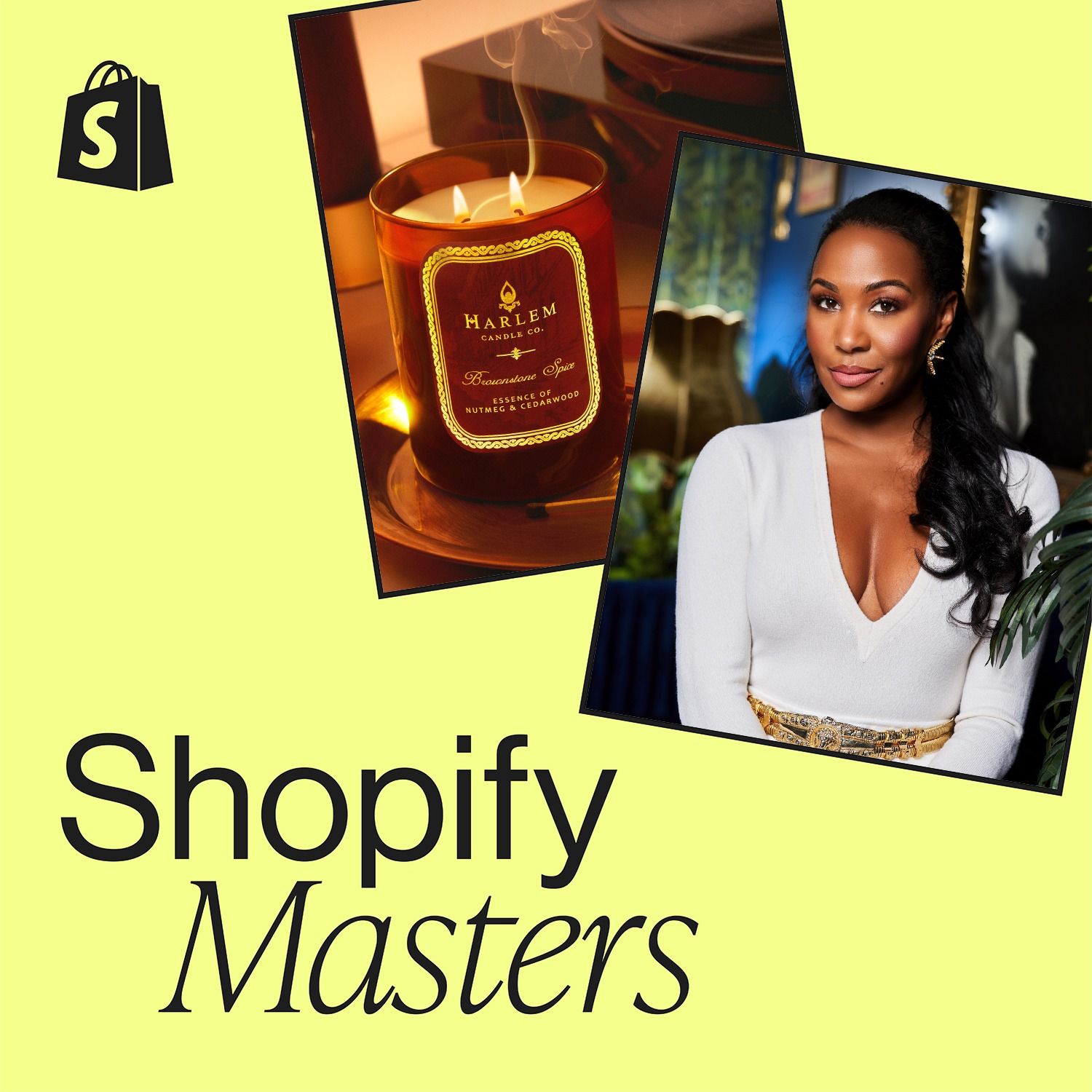
To sell candles online without customers smelling them, Harlem Candle Co. hired top-tier fragrance copywriters to create evocative descriptions and a high-end photographer (found via a DM slide) to produce luxury visuals, effectively bridging the sensory gap.
Related Insights
Buyers are motivated either by moving toward a desired outcome (possibility) or away from a problem (pain). Marketers often unconsciously favor one style based on their own personality. Crafting copy that addresses both motivations allows you to resonate with a broader, more diverse audience.

The most powerful audio ads don't just describe a product; they use sound to evoke a sensory experience. As with Coca-Cola's classic ad featuring a can opening and pouring over ice, specific sounds can create a vivid mental picture, making visuals unnecessary.

Product 'taste' is often narrowly defined as aesthetics. A better analogy is a restaurant: great food (visuals) is necessary but not sufficient. Taste encompasses the entire end-to-end user journey, from being greeted at the door to paying the check. Every interaction must feel crafted and delightful.

To stand out in the saturated candle market, founder Terry Johnson drew from her personal passion for the Harlem Renaissance, inspired by her time studying in Paris. This authentic connection to a specific cultural history gave the brand a unique “soul” that resonated deeply with customers.
To create deep emotional connections and drive behavior, systematically engage customers' senses, especially smell. IKEA, a non-luxury brand, deliberately appeals to all five senses (e.g., smell of meatballs, touching fabrics) to drive impulse buys, proving this strategy works for any business.

Companies like Bath & Body Works are moving beyond visual marketing by infusing physical spaces with signature scents. This "scent-a-gration" leverages the powerful link between smell and memory to create deep, lasting brand associations in high-traffic areas.

In a study, a faint chocolate smell was pumped into a store. While none of the 105 shoppers interviewed afterward consciously noticed the scent, the featured chocolate brand's share jumped by 41%. This demonstrates that subconscious sensory cues can bypass rational thought and directly influence purchasing decisions.

Generic marketing copy fails for high-ticket sales. You must use hyper-specific language that reflects a deep understanding of the customer's daily struggles. Free offers provide a margin for copywriting error that premium offers do not, as the value proposition must be communicated flawlessly to justify the price.

Humans lack the precise vocabulary to describe abstract senses like smell. Google's AI for Estée Lauder overcame this by building a structured framework connecting ingredients to technical categories and then linking them to evocative, emotional descriptions, making the abstract understandable and marketable.
Move beyond listing features and benefits. The most powerful brands connect with customers by selling the emotional result of using the product. For example, Swishables sells 'confidence' for a meeting after coffee, not just 'liquid mouthwash.' This emotional connection is the ultimate brand moat.
