Get your free personalized podcast brief
We scan new podcasts and send you the top 5 insights daily.
Marketers over-index on visuals, but other senses are more powerful. The brain processes sound 1,000 times faster than images, making audio branding potent. Scent is our most primal sense, bypassing logic to connect directly with deep memories and emotions, capable of boosting sales by 41% without the shopper even noticing.

Related Insights
The most powerful audio ads don't just describe a product; they use sound to evoke a sensory experience. As with Coca-Cola's classic ad featuring a can opening and pouring over ice, specific sounds can create a vivid mental picture, making visuals unnecessary.

Human vision has two modes: sharp central focus (foveal) for details like text, and wide peripheral vision that scans for general signals like shape, color, and movement. Since peripheral vision detects things first but cannot read, visual marketing must grab attention with imagery before communicating details with text.

To create deep emotional connections and drive behavior, systematically engage customers' senses, especially smell. IKEA, a non-luxury brand, deliberately appeals to all five senses (e.g., smell of meatballs, touching fabrics) to drive impulse buys, proving this strategy works for any business.

Companies like Bath & Body Works are moving beyond visual marketing by infusing physical spaces with signature scents. This "scent-a-gration" leverages the powerful link between smell and memory to create deep, lasting brand associations in high-traffic areas.

In a study, a faint chocolate smell was pumped into a store. While none of the 105 shoppers interviewed afterward consciously noticed the scent, the featured chocolate brand's share jumped by 41%. This demonstrates that subconscious sensory cues can bypass rational thought and directly influence purchasing decisions.
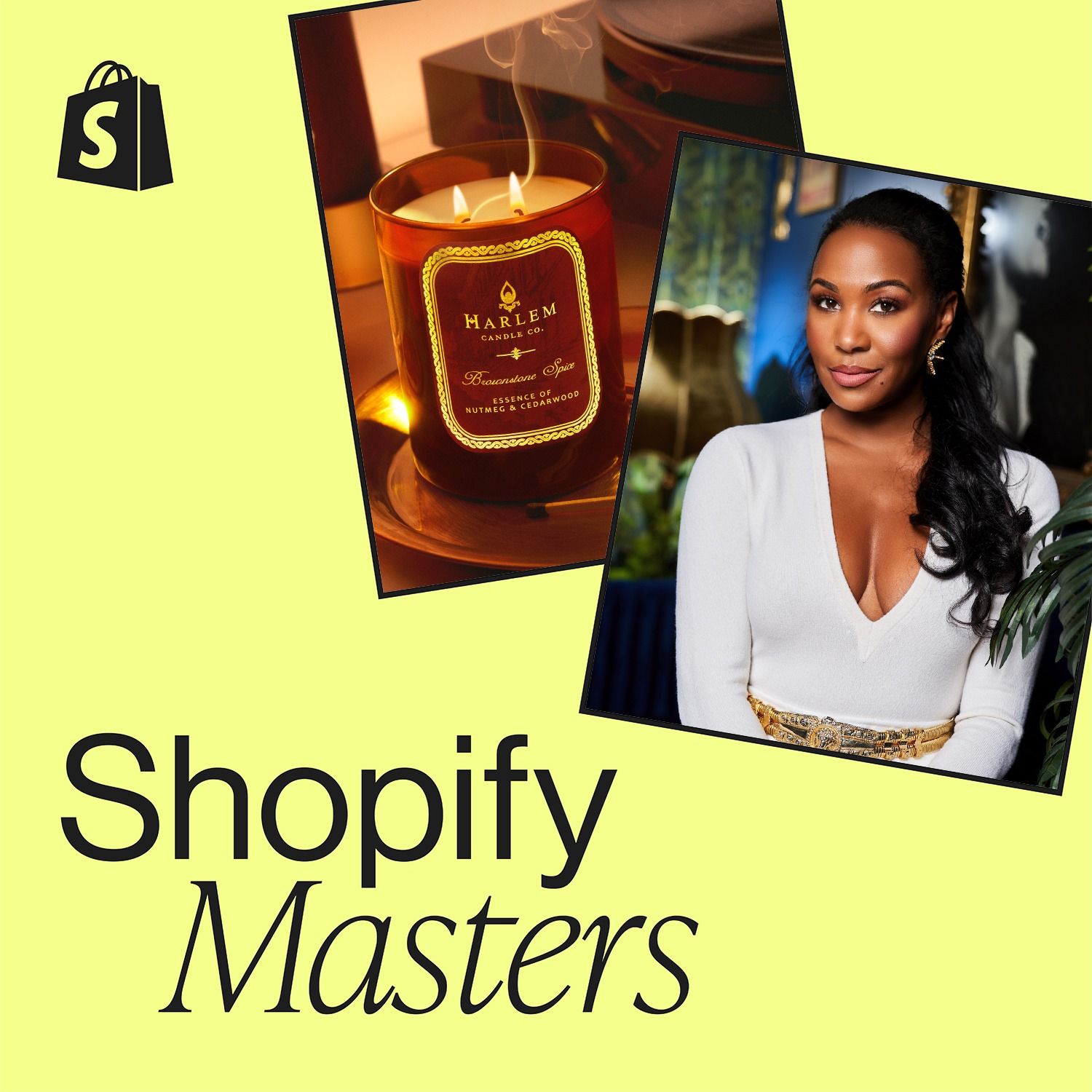
To sell candles online without customers smelling them, Harlem Candle Co. hired top-tier fragrance copywriters to create evocative descriptions and a high-end photographer (found via a DM slide) to produce luxury visuals, effectively bridging the sensory gap.
Simply adding a celebrity to an ad provides no average lift in effectiveness. Instead, marketers should treat the brand’s own distinctive assets—like logos, sounds, or product truths—as the true 'celebrities' of the campaign. This builds stronger, more memorable brand linkage and long-term equity.

Human decision-making is not rational. The brain processes emotional cues, like images, thousands of times faster and finds them vastly more persuasive than logical arguments. Effective brand appeal must lead with emotion, as consumers feel first and then use reason to justify their initial impulse.
As marketing becomes saturated with AI-driven, logical, 'left-brain' tactics, the real differentiator is 'right-brain' thinking: feeling, magic, and vibe. This intuitive, creative side of marketing is harder to replicate with technology and creates a more powerful, lasting brand connection that rises above the noise.

Move beyond listing features and benefits. The most powerful brands connect with customers by selling the emotional result of using the product. For example, Swishables sells 'confidence' for a meeting after coffee, not just 'liquid mouthwash.' This emotional connection is the ultimate brand moat.
