Get your free personalized podcast brief
We scan new podcasts and send you the top 5 insights daily.
Colombia's left-wing President, Gustavo Petro, champions a national decolonization agenda. This creates an awkward political paradox, as the Afro-Caribbean Rysel people of San Andres view the Colombian state itself as their colonizer. Their demands for autonomy directly challenge the President's narrative and highlight the complexities of post-colonial identity within a nation-state.
Related Insights
Contrary to the common progressive charge, Zionism is framed as the culmination of a 3,000-year anti-colonial movement. Jewish holidays like Purim and Hanukkah celebrate revolts against colonial rulers, making the Jewish return to their homeland a unique act of decolonization, not colonization.
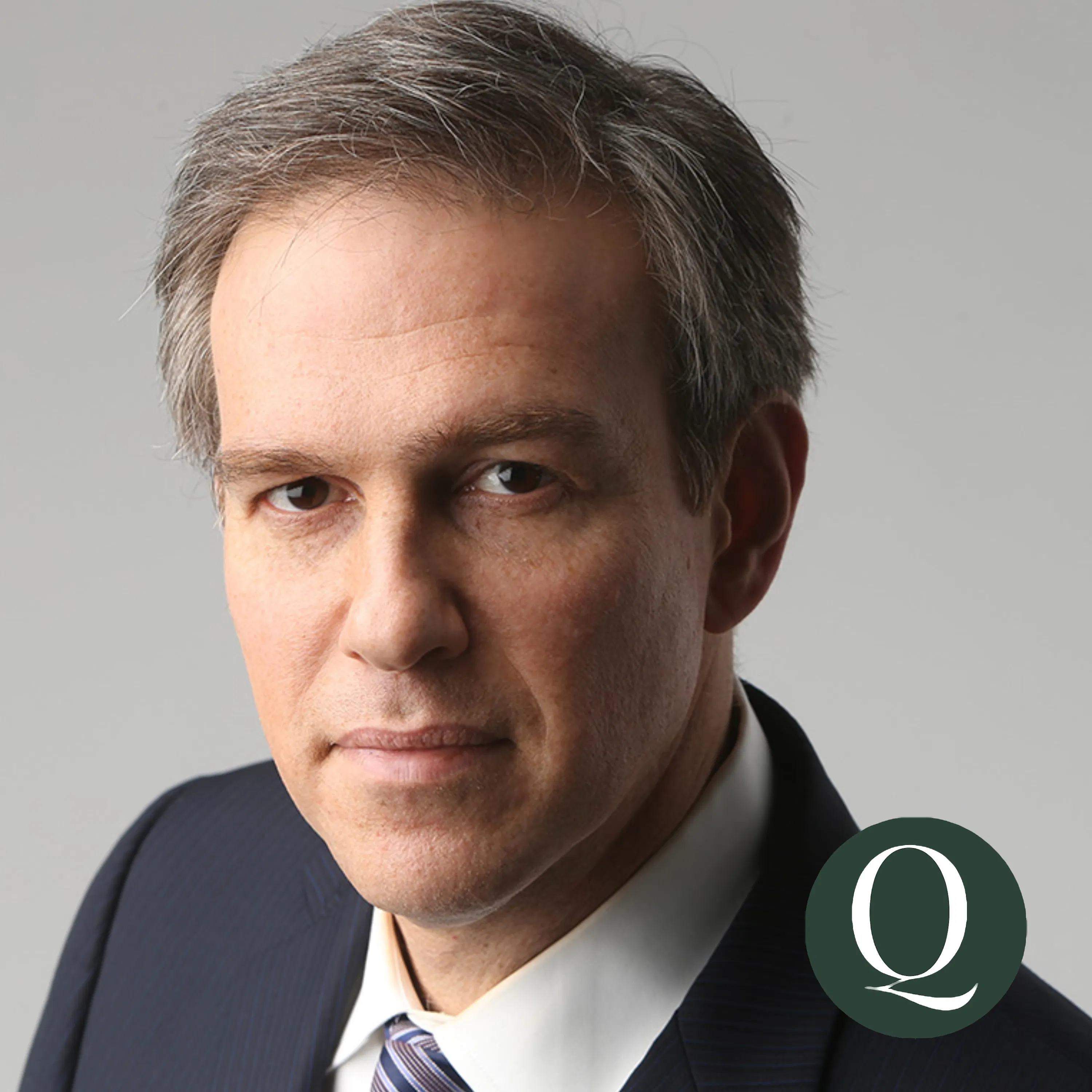
Venezuela's transition showcases a dual reality. While citizens now feel free enough to hold mass protests and political rallies, the state continues to hold hundreds of political prisoners and subject released individuals to intense surveillance, like house arrest with 24/7 guards. Freedom is not monolithic.
When the Spanish crown passed laws to protect indigenous people, colonial settlers led by Gonzalo Pizarro rebelled. They protested loyalty to the king but demanded the freedom to exploit the land they conquered, mirroring the American colonists' rebellion against a distant government infringing on their local 'rights.'

Despite a strong regional identity and a near-successful secession attempt, Yucatan remained part of Mexico. The key factor was not federal suppression but deep internal racial divisions, as the ruling white plantocracy had no interest in leading a unified independence movement.

The US government controls Venezuelan oil sales and funnels monthly payments to Delcy Rodriguez's government. This unprecedented level of financial control benefits the regime by providing stability while giving the US leverage and access to oil, a shocking callback to colonial-era dynamics.

During the 1960s liberation struggle, African nationalists in Rhodesia shed European names and adopted assertive Shona names that served as political declarations. Names meaning "we will rule over the whites" or "spill blood" transformed personal identity into a tool of revolutionary resistance against the colonial state.

The U.S. strategy appears to be maintaining a weakened Chavista regime to ensure stability and access to oil, effectively turning Venezuela into a resource colony without genuine political change for its people.

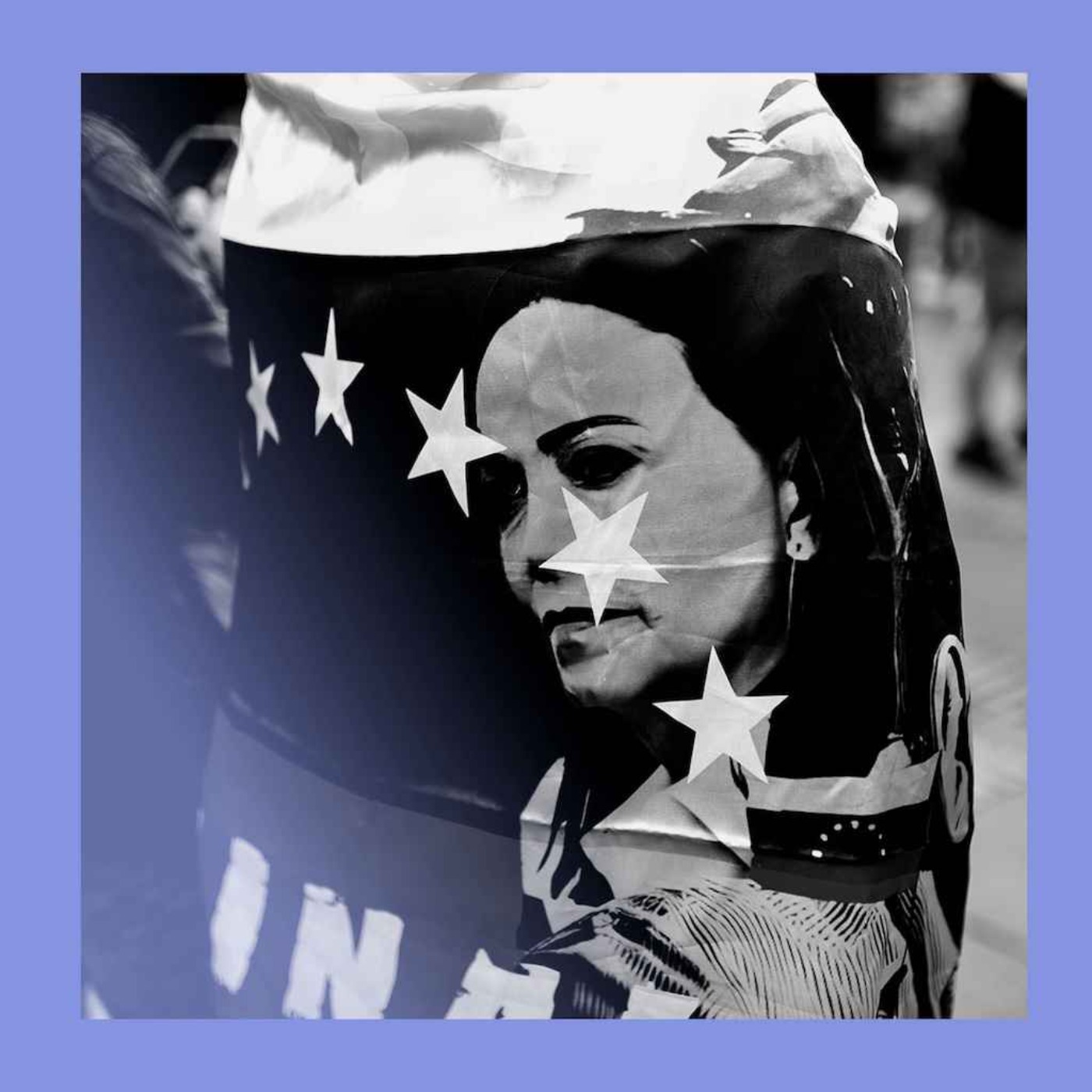
Polling reveals a paradox in Venezuela: high approval for the Trump administration coexists with overwhelming support for opposition leader Maria Corina Machado. This is in direct conflict with Trump's backing of Maduro's former VP, creating a tense dynamic where US policy is misaligned with the clear democratic will of the people.
Venezuela's state-owned oil industry centralized wealth in the government, creating a populace feeling excluded. This enabled Hugo Chavez's populist rise, as he could promise to redistribute state-controlled resources, an appealing message amid corruption and low oil prices.
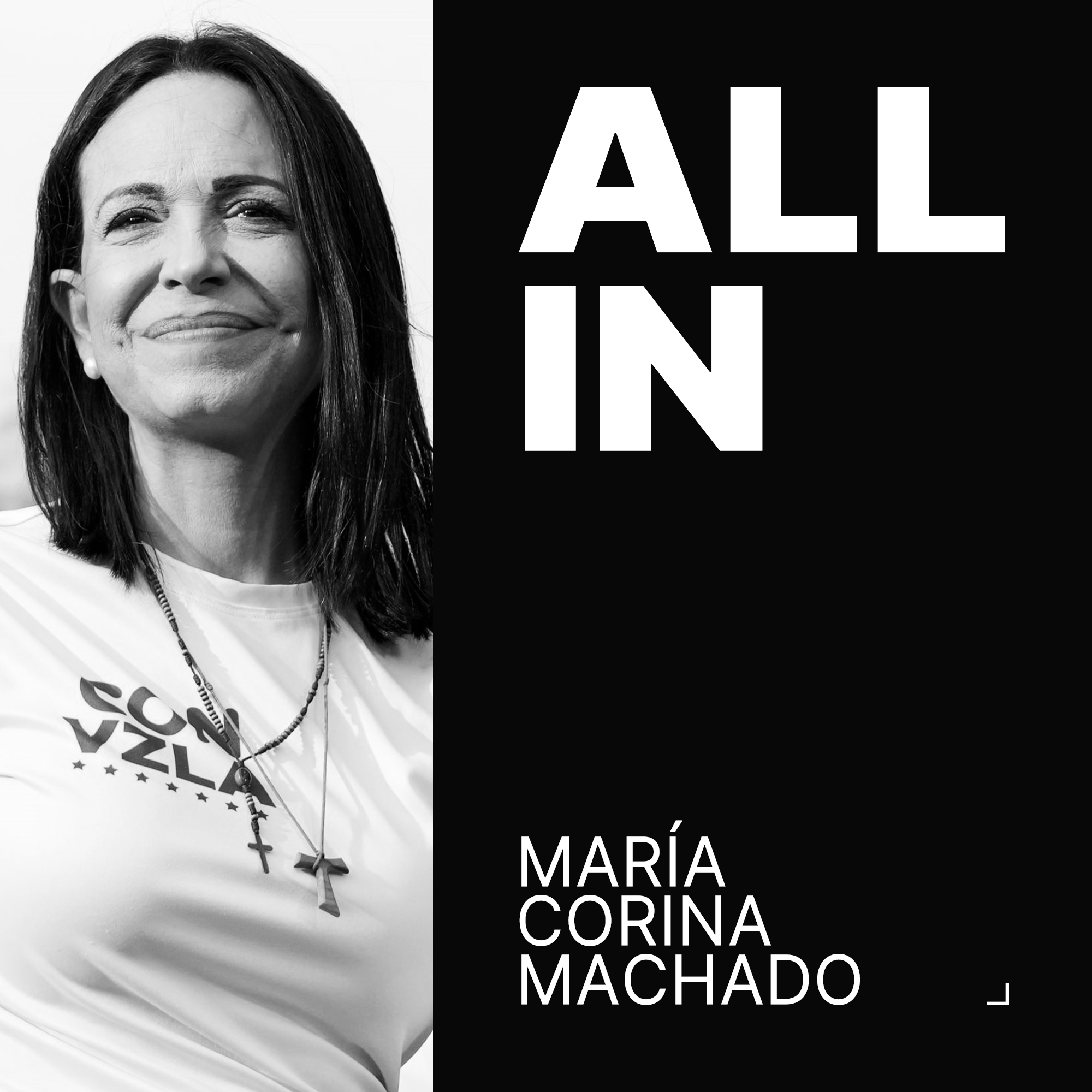
While the Trump administration backs Delcy Rodriguez for perceived stability, polling shows Venezuelans overwhelmingly demand new elections within a year. This clash between the US focus on a managed transition and the populace's desire for immediate democracy creates a high-stakes environment where ignoring the public will could ironically lead to more instability.