Get your free personalized podcast brief
We scan new podcasts and send you the top 5 insights daily.
The US faces two existential threats: strategic vulnerability to China and the socio-economic collapse of its working class. This forces a difficult but necessary policy choice to bring manufacturing home, accepting higher costs to ensure national security and domestic stability.

Related Insights
Since China's leadership is incapable of good-faith negotiation and the state is on a path to collapse, the U.S. must prepare for its absence. This requires a strategic shift to industrial policy to onshore manufacturing and create resilient supply chains, even if it's not purely capitalistic.

The steep tariff on foreign-made drugs is an aggressive tactic to compel pharmaceutical companies to bring manufacturing back to the US. It aims to solve two critical problems: reducing strategic dependency on adversaries like China and rebuilding domestic manufacturing jobs.
The US won World War II largely due to its unparalleled manufacturing capacity. Today, that strategic advantage has been ceded to China. In a potential conflict, the US would face an adversary that mirrors its own historical strength, creating a critical national security vulnerability.

While the US can assemble advanced drones, a significant national security risk lies in the supply chain for their basic components, many of which come from China. The strategic imperative is to "shift left" and onshore the manufacturing of these foundational parts to secure the entire defense industrial base, not just the final product.

Relying on an adversarial nation like China for manufacturing, especially for critical technologies, places a country in a "horrifyingly weak position." In the event of a war, the inability to produce essential goods is a fatal flaw that renders a nation powerless.

The Under Secretary of War defines the current "1938 moment" not as an imminent war, but as a critical juncture for rebuilding the domestic industrial base. The focus is on reversing decades of outsourcing critical components like minerals and pharmaceuticals, which created strategic vulnerabilities now deemed unacceptable for national security.
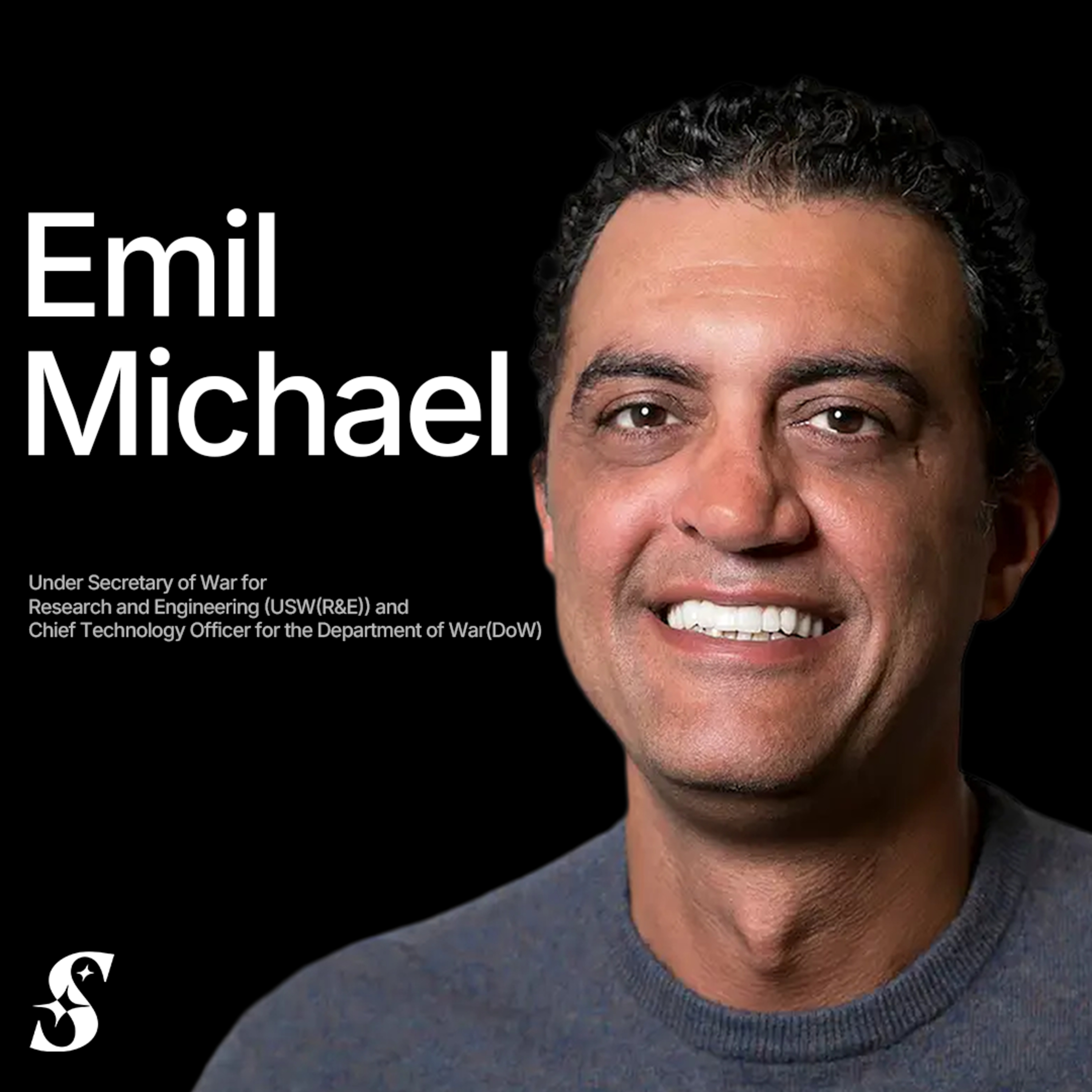
Moving away from globalization to fix the K-shaped economy is a direct trade-off. While consumers will pay more for goods, the nation gains supply chain control and empowers the domestic workforce, which can rebuild the middle class. There is no utopian solution.
The U.S. military's power is no longer backed by a robust domestic industrial base. Decades of offshoring have made it dependent on rivals like China for critical minerals and manufacturing. This means the country can no longer sustain a prolonged conflict, a reality its defense planners ignore.

By shipping millions of jobs overseas, globalism forced American workers to compete with a much larger, cheaper international labor pool. This eliminated employers' need to compete for a finite domestic workforce, leading to wage stagnation. The proposed solution is to bring manufacturing jobs back to the U.S.

Anduril's co-founder argues America's atrophied manufacturing base is a critical national security vulnerability. The ultimate strategic advantage isn't a single advanced weapon, but the ability to mass-produce "tens of thousands of things" efficiently. Re-industrializing is therefore a core pillar of modern defense strategy.