Get your free personalized podcast brief
We scan new podcasts and send you the top 5 insights daily.
The 'Wiggle Theory' suggests we are born with a natural, playful 'wiggle' that gets suppressed by the rigid structures of adulthood. Music and other creative acts give people permission to rediscover this innate, non-linear state, unlocking essential emotional channels.

Related Insights
To combat the feeling of time accelerating with age, actively practice feeling. By consciously allowing yourself to weep at something moving or laugh out loud at something funny, you register moments more deeply. This slows down your perception of life and prevents you from merely ripping through it.

Deep connection relies on a shared “fun age”—a mutual understanding of what constitutes play and enjoyment. Whether it’s childlike pranks or quiet domesticity, having compatible fun ages allows partners to cultivate both levity and gravity, which is essential for long-term relational health.
In cases of trauma (PTSD), the brain's speech center can shut down. Research shows that physical activities like yoga, dancing, or drumming can release trauma stored in the body. This suggests these practices can also unlock positive, intuitive wisdom that isn't accessible through talk therapy alone.

Constant productivity keeps the brain in a high-frequency "beta" state, which stifles creativity. To solve complex problems, you must intentionally shift to a slower "alpha" state by disconnecting. This is achieved through simple, non-distracting activities like walking in nature without your phone.

Jacob Collier distinguishes joy from mere happiness. He defines joy as a 'defiant act' of feeling vital and alive, even amid chaos. It's not about ignoring negative experiences but incorporating the full spectrum of life, which is a powerful way to connect with purpose.
The emerging field of "neuroaesthetics" shows that the physical act of making art has proven benefits for mental health and longevity. Crucially, these benefits are entirely independent of the creator's skill or the quality of the final product, emphasizing process over outcome.
Discovering what you genuinely enjoy requires breaking out of your corporate mindset, much like physical therapy for a forgotten muscle. You must force yourself into uncomfortable, unfamiliar situations—like free tango classes or random online courses—to build the 'muscle memory' for passion and exploration.

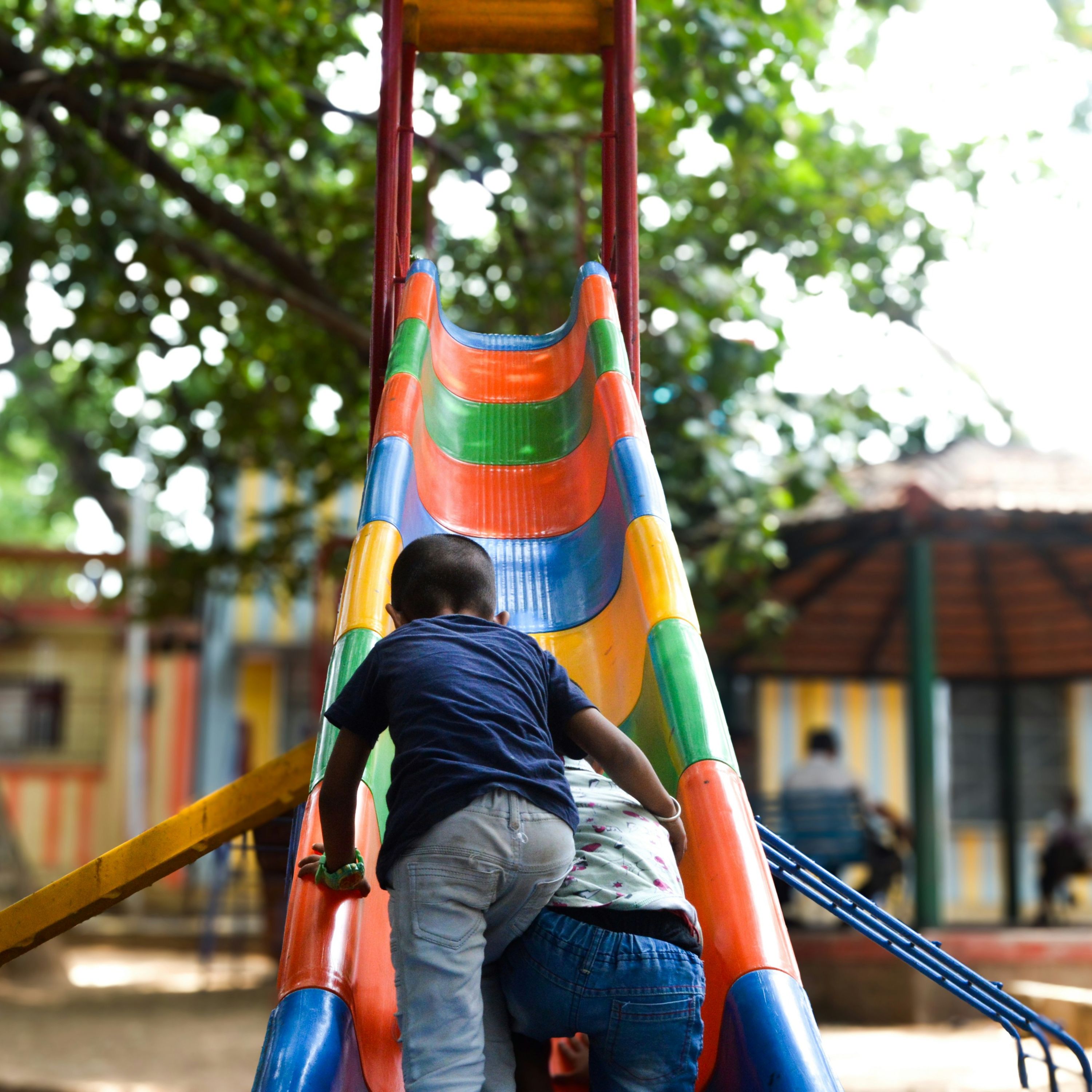
Over the same decades that children's independent play has declined, rates of youth anxiety and depression have steadily risen. Unsupervised play is crucial for developing an "internal locus of control," which allows kids to learn they can handle life’s challenges and builds resilience.
Collier's audience choirs are a leadership model inspired by his conductor mother. The core principle is not musical skill, but 'mass permissioning'—creating a safe environment where a large group feels empowered to participate, fostering inclusivity and shared joy.
When adults intervene in children's unstructured play to "teach" them the "right" way to do things, they often strip the activity of its imaginative joy and engagement. This transforms a creative game into a boring, adult-led lesson, diminishing learning and happiness.