Get your free personalized podcast brief
We scan new podcasts and send you the top 5 insights daily.
While influential, Elizabeth Kübler-Ross's five stages of grief (denial, anger, etc.) are not a fixed or universal sequence. Modern neuroimaging and psychological research show that grief is a far more complex and non-linear process, often activating the brain's motivation and craving circuits rather than distinct emotional stages.

Related Insights
For profound loss, therapy cannot eliminate grief. A more realistic and helpful goal, as described by an EMDR therapist, is to reach a point where "you will manage your grief and grief won't manage you."

Grief is not a linear set of stages but an oscillation. People naturally shift between focusing inward on their loss and focusing outward on daily life. This dynamic process allows for both the recalibration of their internal world and continued engagement with external responsibilities.

Healing from loss doesn't mean letting go of the emotional bond. The most adaptive strategy is to dedicate time to deeply feel your attachment, while consciously preventing your mind from linking it to memories of where and when the person existed. This uncouples the bond from the brain's broken prediction map.
Psychiatrist Dr. Tara Swart reveals she experienced "thought insertion"—a clinical symptom of schizophrenia—during her grief. She argues that intense grief is akin to psychosis, as it fundamentally changes neurotransmitter levels, creating a state of altered reality that can feel destablizing if not understood through a neuroscientific lens.

Contrary to popular belief about grief, research shows that terminally ill individuals often reach the 'acceptance' stage relatively quickly. Once there, they frequently report higher levels of happiness and savoring of life than they did even before receiving their diagnosis, as acceptance removes uncertainty.

A structured exercise for unpacking grief involves making three lists: 1) the good things you've lost, 2) the bad things you no longer have to tolerate, and 3) the unrealized future hopes and dreams. This provides a complete emotional accounting of the loss.
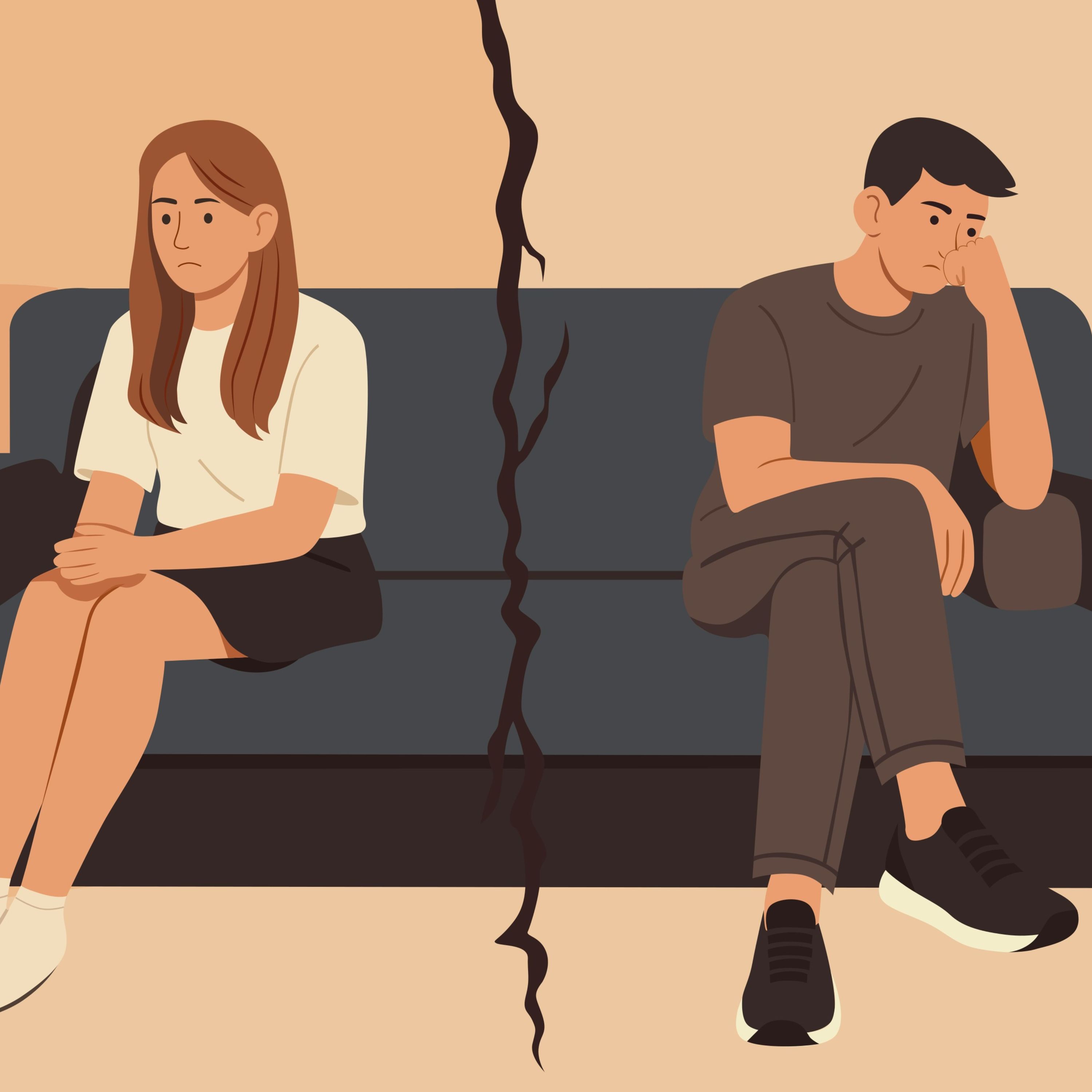
Our brains integrate emotional bonds with physical location (space) and temporal patterns (time). Grief is the neurologically difficult process of untangling these three dimensions when a person is lost, as the brain continues to predict their presence in familiar spaces and times.
Contrary to long-standing Freudian psychiatric theory, which posits that unresolved anger in ambivalent relationships prolongs grief, empirical data shows the opposite. People in relationships with more conflict and mixed feelings actually experience less intense grief after a loss, upending a core therapeutic assumption.
Instead of viewing grief as a problem to be solved or 'gotten over,' it should be seen as a feature of a well-lived life. Grief is the natural and proportional receipt for the love you have for someone. Experiencing deep grief means you experienced deep connection, and that is not something to be erased.

After losing his brother, the author observed how differently each family member coped. This challenges the notion of a standardized grieving process, explaining why events like a child's death can strain relationships due to mismatched emotional responses.
