Get your free personalized podcast brief
We scan new podcasts and send you the top 5 insights daily.
The modern belief that world-changing outcomes require working around the clock is questionable. Historical figures like Andrew Carnegie achieved immense success without constant engagement. This suggests much of today's "hustle culture" could be performative rather than necessary for success.
![Jeremy Giffon - The Billion Dollar PDF - [Invest Like the Best, EP.481] thumbnail](https://megaphone.imgix.net/podcasts/639efb30-79ab-11f1-9457-e7c50e832f59/image/3fd42f5fd8ef85cc50b51718c44c4172.jpg?ixlib=rails-4.3.1&max-w=3000&max-h=3000&fit=crop&auto=format,compress)
Related Insights
Counter to the 'hustle culture' narrative, business failure often isn't due to insufficient hard work. It stems from entrepreneurs expending immense energy on ineffective activities. Success requires focusing on a handful of the right strategic actions rather than trying to do everything at once.

Workaholism can be a tool for self-sabotage. It creates the illusion of progress while allowing entrepreneurs to avoid the difficult, strategic work—like building systems and empowering teams—that is actually required to scale the business and break through to the next level.

Conventional wisdom that early-stage startups must "grind" is flawed. The primary constraint is a lack of unique insight to find product-market fit, not a lack of hours worked. A relentless "996" culture can be counterproductive, as it leaves no room for the deep thinking and creativity needed for breakthrough ideas.

Hustle culture falsely equates exhaustion with progress. In reality, a founder's ability to regulate their nervous system through intentional rest is their most important asset. It's the foundation of creativity and long-term sustainability. Entrepreneurs with strong boundaries will outlast those who run on adrenaline and caffeine.

Silicon Valley's work culture mistakenly models human productivity on computer processors, prioritizing speed and eliminating downtime. This is antithetical to the human brain, which operates best with deep focus and requires significant time to switch contexts, unlike a CPU executing sequential commands.

Founders often equate constant hustle with progress, saying yes to every opportunity. This leads to burnout. The critical mindset shift is recognizing that every professional "yes" is an implicit "no" to personal life. True success can mean choosing less income to regain time, a decision that can change a business's trajectory.
The 'hustle culture' of being first in and last out is a trap. True value comes from focusing on high-impact tasks that move the business forward, not simply completing a high volume of work. A five-hour high-impact task is better than a ten-hour low-impact one.

The startup narrative of extreme work hours isn't new; it's a quid pro quo. Founders can demand this commitment from early employees only if they provide a credible path to a life-changing, 'eight-figure' financial outcome. It fails when the reward doesn't justify the sacrifice.

Intense effort is often a sign of weak demand. Founders at fast-growing companies aren't just working harder; they're channeling existing customer pull, while struggling founders burn out trying to manufacture it deal by deal.

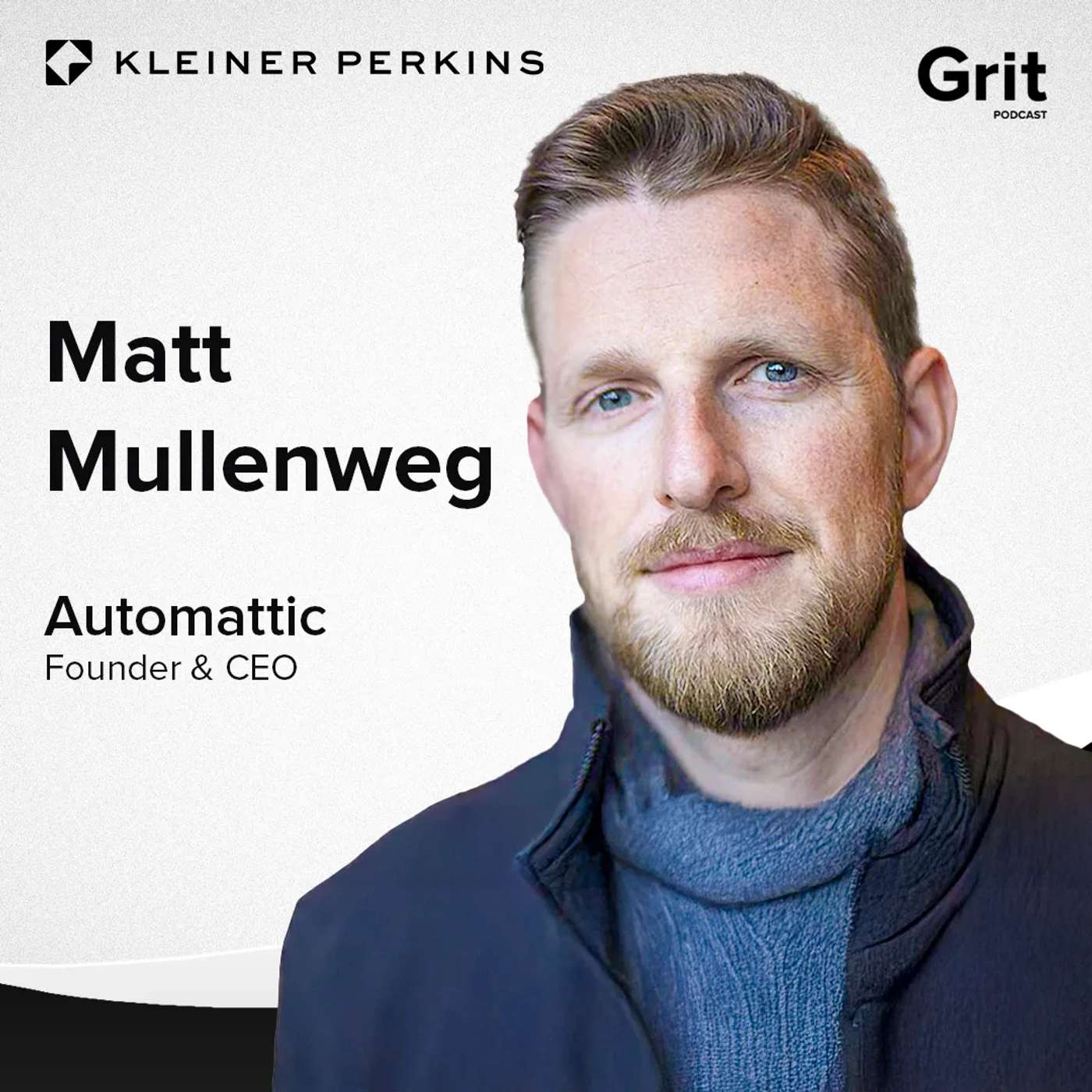
Success isn't about working nonstop. Matt Mullenweg argues that an entire year's outcome hinges on a few crucial moments—a key decision, a critical meeting, or a pivotal partnership. The wisdom brought to these 15-20 hours is what truly matters, not the total volume of work.