Get your free personalized podcast brief
We scan new podcasts and send you the top 5 insights daily.
Intense effort is often a sign of weak demand. Founders at fast-growing companies aren't just working harder; they're channeling existing customer pull, while struggling founders burn out trying to manufacture it deal by deal.

Related Insights
The fastest-growing founders achieve outlier results not by working more hours, but by operating differently. They identify the single biggest bottleneck (e.g., low sales close rate), generate high-volume opportunities to test it (e.g., five sales calls a day), and then iterate on their process with extreme speed (e.g., reviewing and shipping changes every two days).
Conventional wisdom that early-stage startups must "grind" is flawed. The primary constraint is a lack of unique insight to find product-market fit, not a lack of hours worked. A relentless "996" culture can be counterproductive, as it leaves no room for the deep thinking and creativity needed for breakthrough ideas.

The primary threat to a bootstrapped company is not external competition but internal struggle. Burnout, self-doubt, and loss of motivation kill more startups than any market force. Protecting your mental health is a critical business function, not a luxury.

Successful startups tap into organic customer needs that already exist—a 'pull' from the market. In contrast, 'conjuring demand' involves a founder trying to convince a market of a new worldview without prior evidence. This is a much harder and less reliable path to building a business.
Founders often equate constant hustle with progress, saying yes to every opportunity. This leads to burnout. The critical mindset shift is recognizing that every professional "yes" is an implicit "no" to personal life. True success can mean choosing less income to regain time, a decision that can change a business's trajectory.

When a business flatlines, the critical question isn't which new marketing channel to try. It's whether the founder has the motivation and long-term desire to reignite growth. This "founder activation energy" is a finite resource with a high opportunity cost that must be assessed before choosing a path.
'Strict productivity' for a founder is work centered on the startup's single biggest bottleneck, approached with a direct strategy, and executed with intense focus ('goblin mode'). Any other activity, from pitch competitions to unfocused work on non-bottlenecks, should be considered 'performative' and a distraction from making real progress.
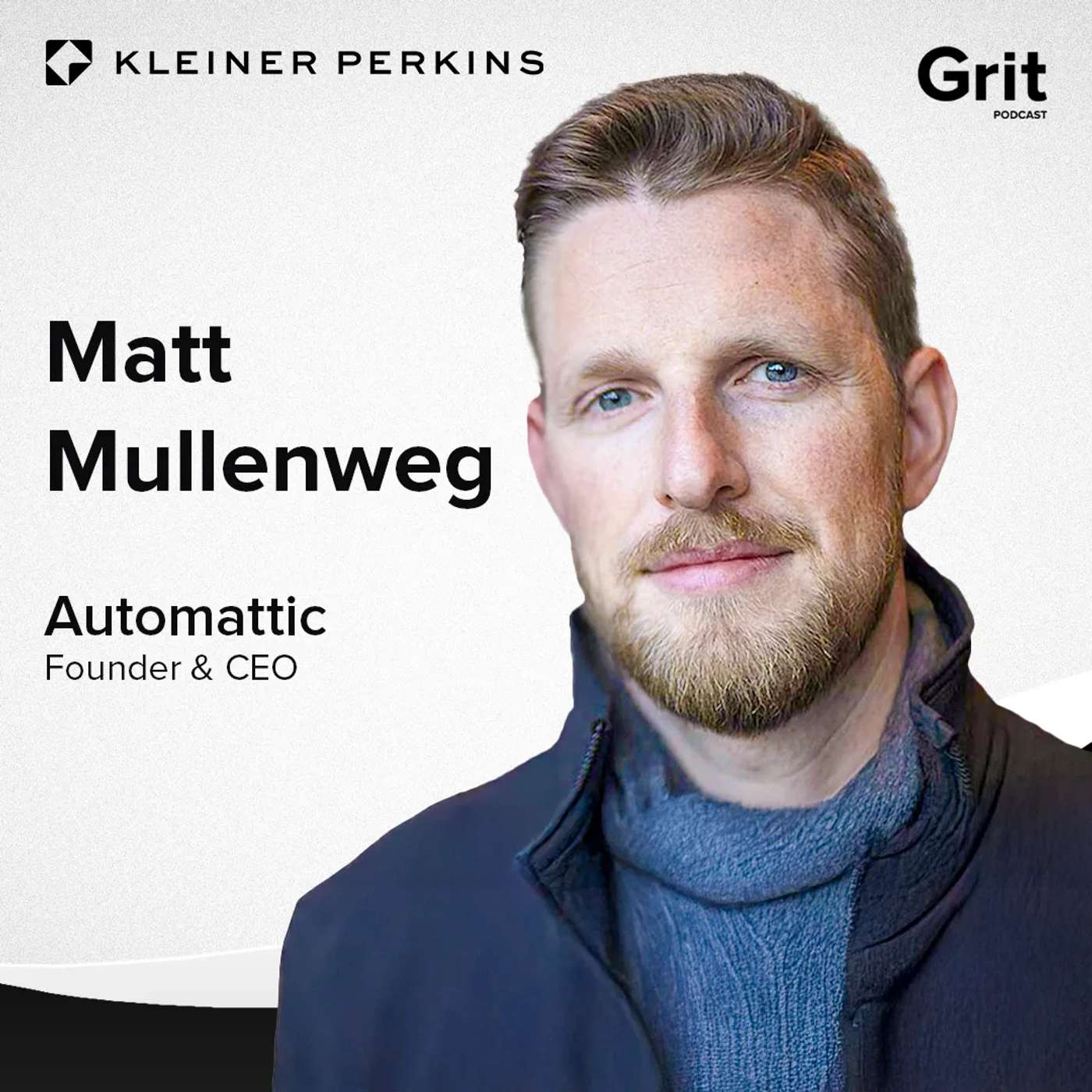
Success isn't about working nonstop. Matt Mullenweg argues that an entire year's outcome hinges on a few crucial moments—a key decision, a critical meeting, or a pivotal partnership. The wisdom brought to these 15-20 hours is what truly matters, not the total volume of work.