Get your free personalized podcast brief
We scan new podcasts and send you the top 5 insights daily.
Users will stop interacting with countless individual apps and websites. Instead, they'll communicate with a personal AI agent that handles tasks by interfacing with services via APIs, making traditional graphical user interfaces obsolete.

Related Insights
The next generation of software may lack traditional user interfaces. Instead, they will be 'API-first' or 'agent-first,' integrating directly into existing workflows like Slack or email. Software will increasingly 'visit the user' rather than requiring the user to visit a dashboard.

A single, context-aware AI assistant with access to various APIs will replace dozens of specialized apps for tasks like fitness tracking, to-do lists, or flight check-ins. Users will interact conversationally with their assistant, rendering most single-purpose apps redundant.

Power users of AI agents believe the ideal user interface is not graphical but conversational. They prefer text-based interactions within existing chat apps and see voice as the ultimate endgame. The goal is an invisible assistant that operates autonomously and only prompts for input when absolutely necessary, making traditional UIs feel like friction.
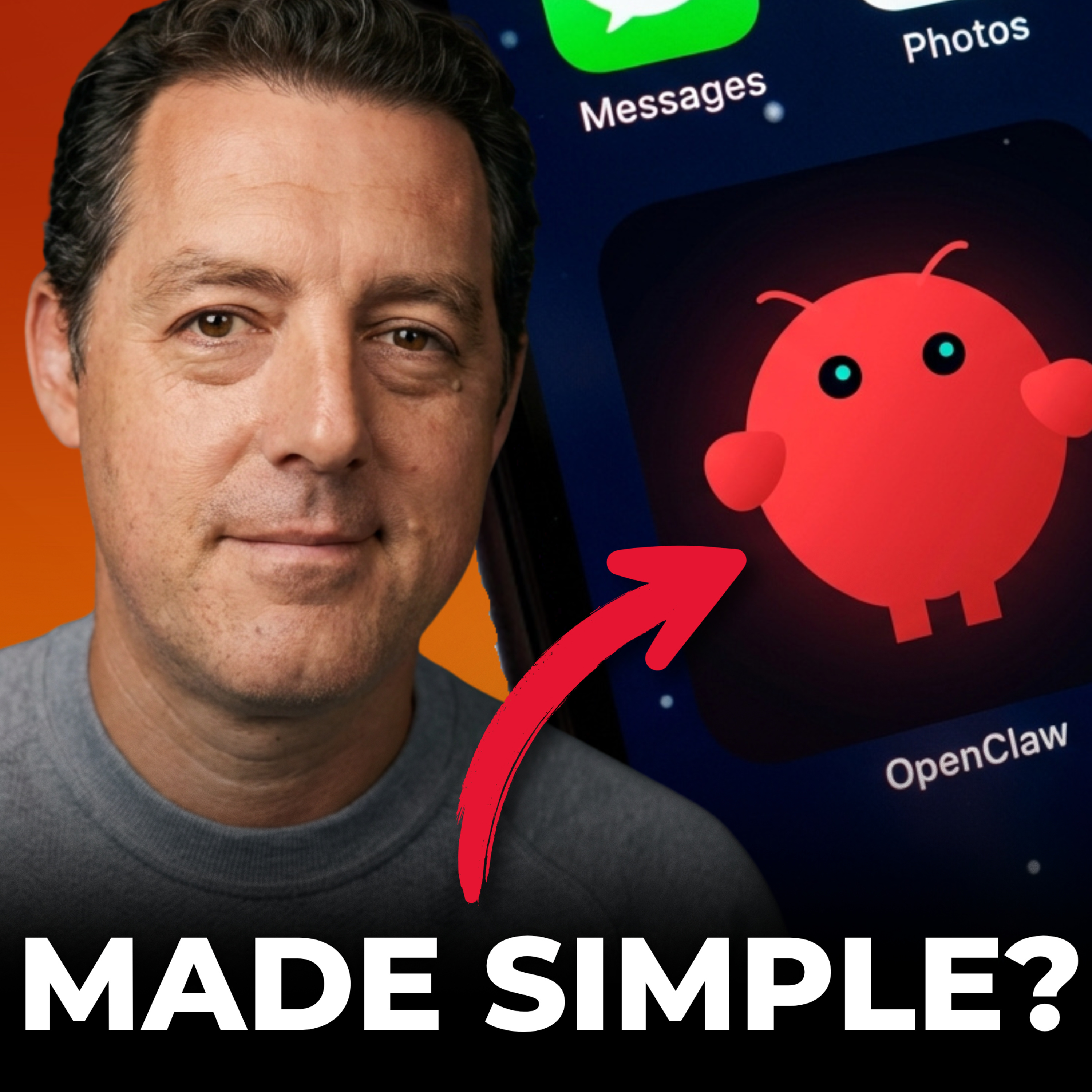
Context-aware personal agents will subsume the functions of many standalone apps, such as fitness or calorie trackers. An agent that already knows a user's location, schedule, and goals can perform these tasks more seamlessly, reducing many current apps to mere APIs for the agent to consume.
Power users are discovering that direct, conversational interaction with AI agents is more efficient than clicking through graphical user interfaces (GUIs). This signals a shift toward an 'app-less' world where tasks are accomplished via chat, potentially making traditional UI/UX design roles redundant for many applications.
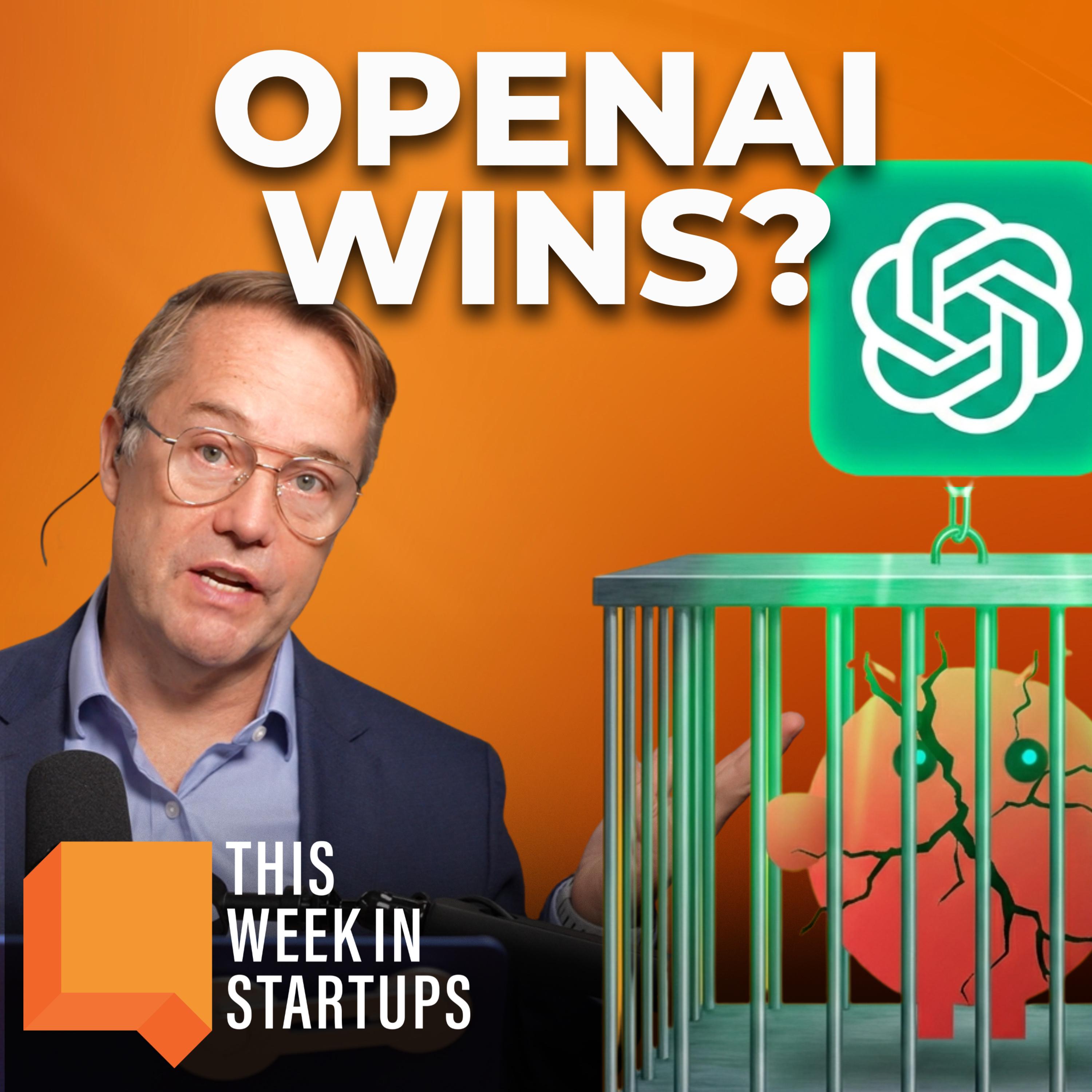
AI agents are becoming the dominant source of internet traffic, shifting the paradigm from human-centric UI to agent-friendly APIs. Developers optimizing for human users may be designing for a shrinking minority, as automated systems increasingly consume web services.
The end state for enterprise AI is a unified, conversational agent serving as the primary interface for a brand. This "digital concierge" will handle sales, support, and other interactions, potentially replacing websites and mobile apps as the main customer touchpoint.
![Jesse Zhang - Building Decagon - [Invest Like the Best, EP.443] thumbnail](https://megaphone.imgix.net/podcasts/2cc4da2a-a266-11f0-ac41-9f5060c6f4ef/image/7df6dc347b875d4b90ae98f397bf1cb1.jpg?ixlib=rails-4.3.1&max-w=3000&max-h=3000&fit=crop&auto=format,compress)
As users increasingly rely on AI agents, traditional graphical user interfaces will become obsolete. SaaS products must evolve to offer conversational interfaces that other agents can interact with directly. The primary user will shift from a human clicking buttons to another AI sending messages.
The next user interface paradigm is delegation, not direct manipulation. Humans will communicate with AI agents via voice, instructing them to perform complex tasks on computers. This will shift daily work from hours of clicking and typing to zero, fundamentally changing our relationship with technology.

The primary interface for services is shifting from websites to conversational AI agents. Users form personal preferences and history with their chosen AI (e.g., ChatGPT) and will expect to perform tasks like opening a bank account through that trusted agent, forcing companies to create a great "Agent Experience."
