Get your free personalized podcast brief
We scan new podcasts and send you the top 5 insights daily.
Unlike structured, management-driven research, Bell Labs operated on a philosophy of hiring top talent and granting them autonomy. Stroustrup's initial job was simply "do something interesting" and report back in a year on a single sheet of paper, a model that produced breakthroughs like Unix and C++.
Related Insights
Google's early, unstructured engineering culture allowed employees like Noam Shazir to pursue contrarian ideas like language models without direct management. This freedom directly led to foundational products like spell check and the core technology behind AdSense, demonstrating how autonomy can fuel breakthrough innovation.
Applovin's CEO believes top performers don't need traditional management like one-on-ones, performance reviews, or structured L&D programs. 'A players' are defined by their curiosity and ability to figure things out independently. Providing process and hand-holding caters to the wrong type of employee.

When building a team for a novel venture, prioritize curious qualities over pure credentials. Look for collaborators who are passionate, resilient, and 'iconoclastic'—comfortable challenging the status quo. Also seek out people with diverse outside interests, as they can draw unique connections and avoid narrow thinking.

Dr. Li defines fearlessness as the freedom from constraints that inhibit creativity, courage, and execution. She prioritizes this trait in hiring, encouraging teams to tackle uncertain, contrarian, and difficult challenges. The most creative work happens when solving problems without a clear path, which is where breakthroughs are made.

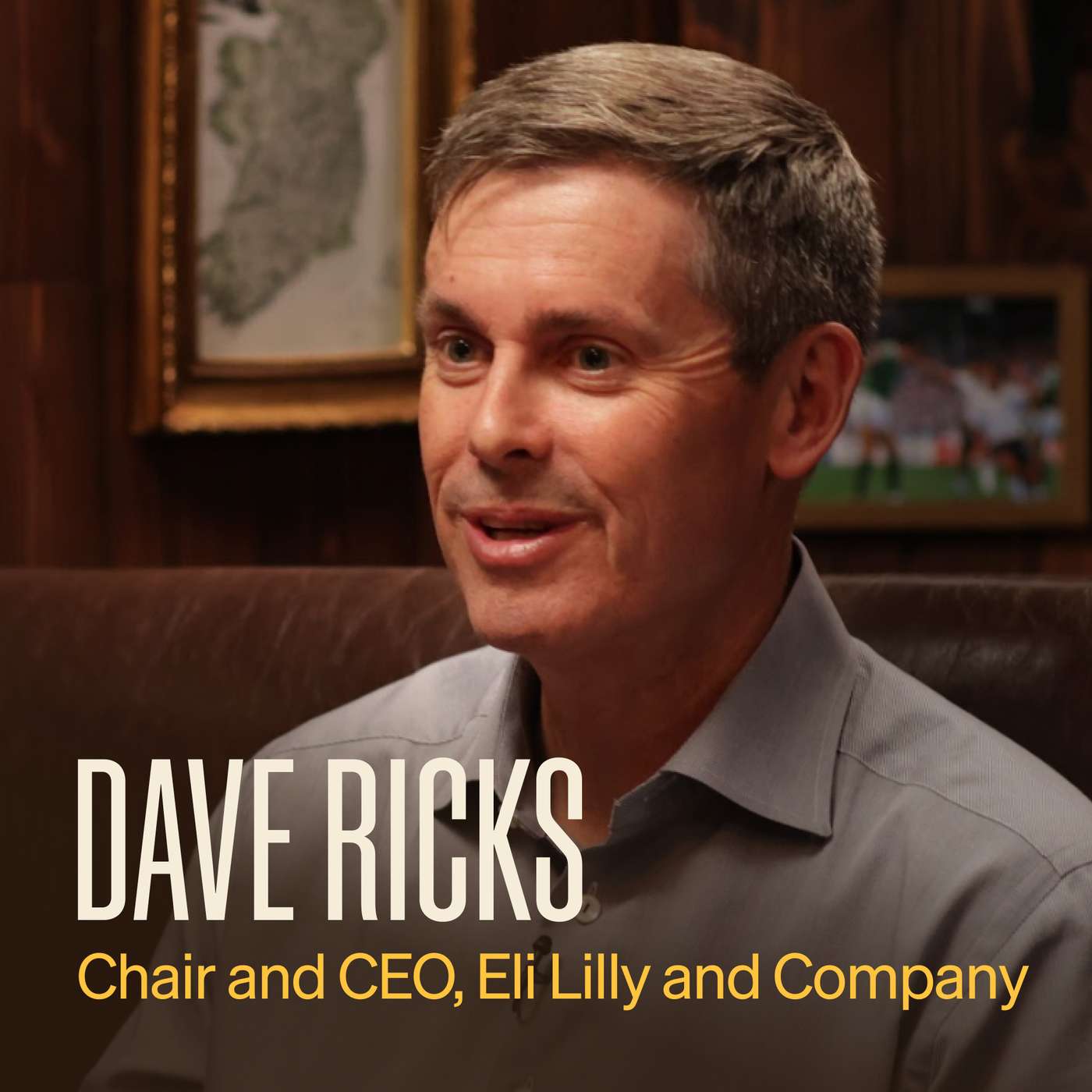
A significant number of Eli Lilly's compelling inventions came from unsanctioned projects. The company intentionally provides budget flexibility and avoids micromanagement at its R&D sites, allowing scientists to pursue their curiosity.
The common practice of hiring for "culture fit" creates homogenous teams that stifle creativity and produce the same results. To innovate, actively recruit people who challenge the status quo and think differently. A "culture mismatch" introduces the friction necessary for breakthrough ideas.

To achieve breakthrough innovation, leaders must form a small team and shelter it from the main organization's systems, constraints, and distractions. This isolation provides the mental space required to rethink problems from first principles, rather than being biased by existing structures.

At his first company, Hastings learned that treating software development like a manufacturing process with rules to reduce errors led to declining talent density. High-performers thrive in an environment of inspiration and creativity, not rigid processes that drive them out.
![Reed Hastings - Building Netflix - [Invest Like the Best, EP.453] thumbnail](https://megaphone.imgix.net/podcasts/2f1ecac4-e4ba-11f0-a8e8-777eb8de0c5a/image/28fb3c25b09448a35f17657a5e614900.jpg?ixlib=rails-4.3.1&max-w=3000&max-h=3000&fit=crop&auto=format,compress)
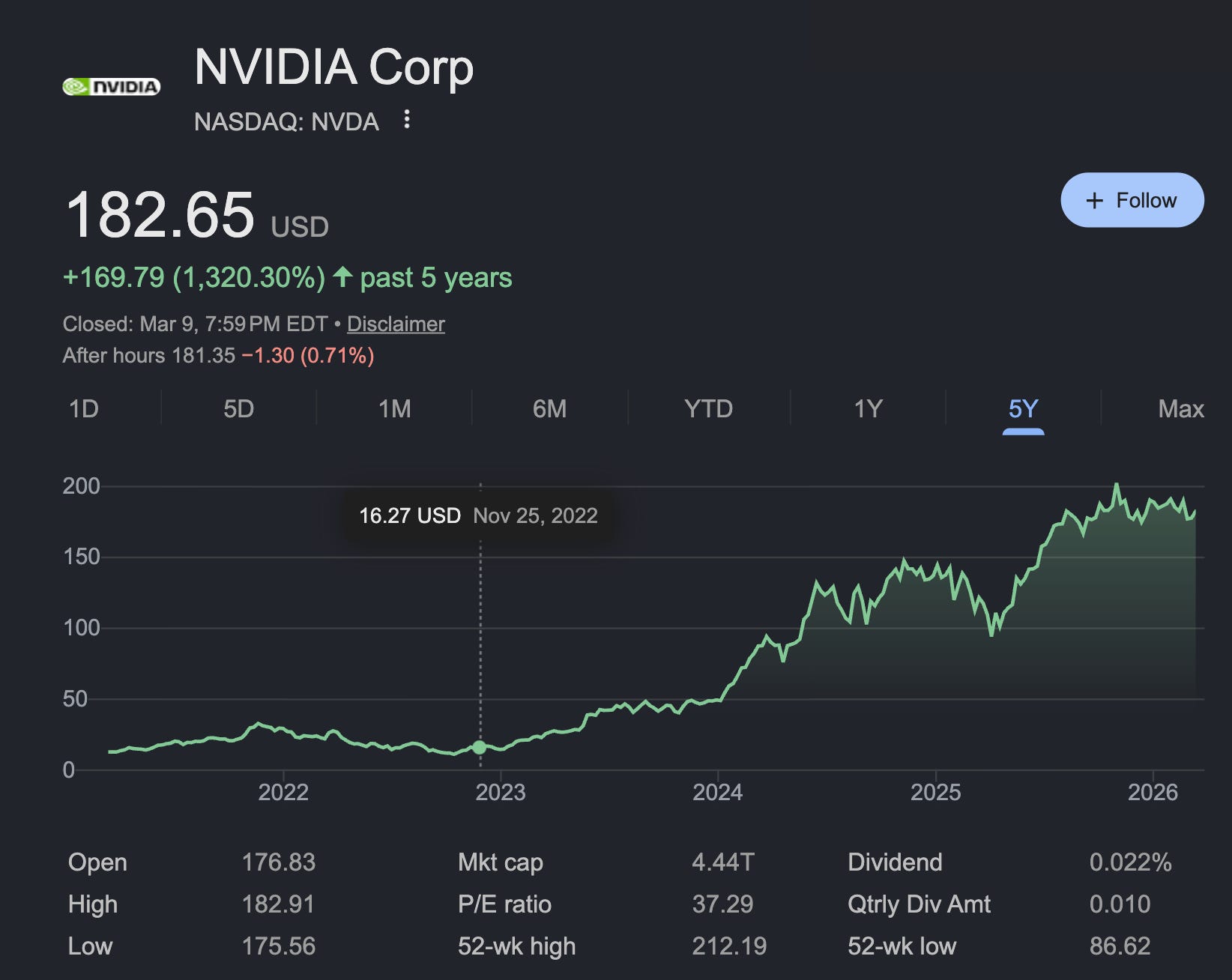
Unlike typical large corporations with rigid roles, NVIDIA encourages a fluid structure where employees can pursue their interests and propose new initiatives. This "pickup basketball" culture allows talent to self-organize around compelling projects, leading to state-of-the-art work across many domains.
DeepMind sets ambitious, top-down research agendas but grants interdisciplinary teams (e.g., bioethicists and neuroscientists) the autonomy to explore solutions. This model, inspired by Bell Labs, the Apollo program, and Pixar, fosters a culture of both directed research and creative freedom.