Get your free personalized podcast brief
We scan new podcasts and send you the top 5 insights daily.
Google's early, unstructured engineering culture allowed employees like Noam Shazir to pursue contrarian ideas like language models without direct management. This freedom directly led to foundational products like spell check and the core technology behind AdSense, demonstrating how autonomy can fuel breakthrough innovation.
Related Insights
Anthropic's team of idealistic researchers represented a high-variance bet for investors. The same qualities that could have caused failure—a non-traditional, research-first approach—are precisely what enabled breakout innovations like Claude Code, which a conventional product team would never have conceived.

The CEO's strategy to combat the AI threat was directly inspired by Clayton Christensen's "Innovator's Dilemma." He created an autonomous team with different incentives, shielded from the core business, to foster radical innovation—a practical application of the well-known business theory.

Rather than relying on formal knowledge sharing, Alphabet's X embeds central teams (like legal, finance, prototyping) that float between projects. These individuals become natural vectors, carrying insights, best practices, and innovative ideas from one project to another, fostering organic knowledge transfer.

The 2017 "Attention Is All You Need" paper, written by eight Google researchers, laid the groundwork for modern LLMs. In a striking example of the innovator's dilemma, every author left Google within a few years to start or join other AI companies, representing a massive failure to retain pivotal talent at a critical juncture.
For years, Google has integrated AI as features into existing products like Gmail. Its new "Antigravity" IDE represents a strategic pivot to building applications from the ground up around an "agent-first" principle. This suggests a future where AI is the core foundation of a product, not just an add-on.

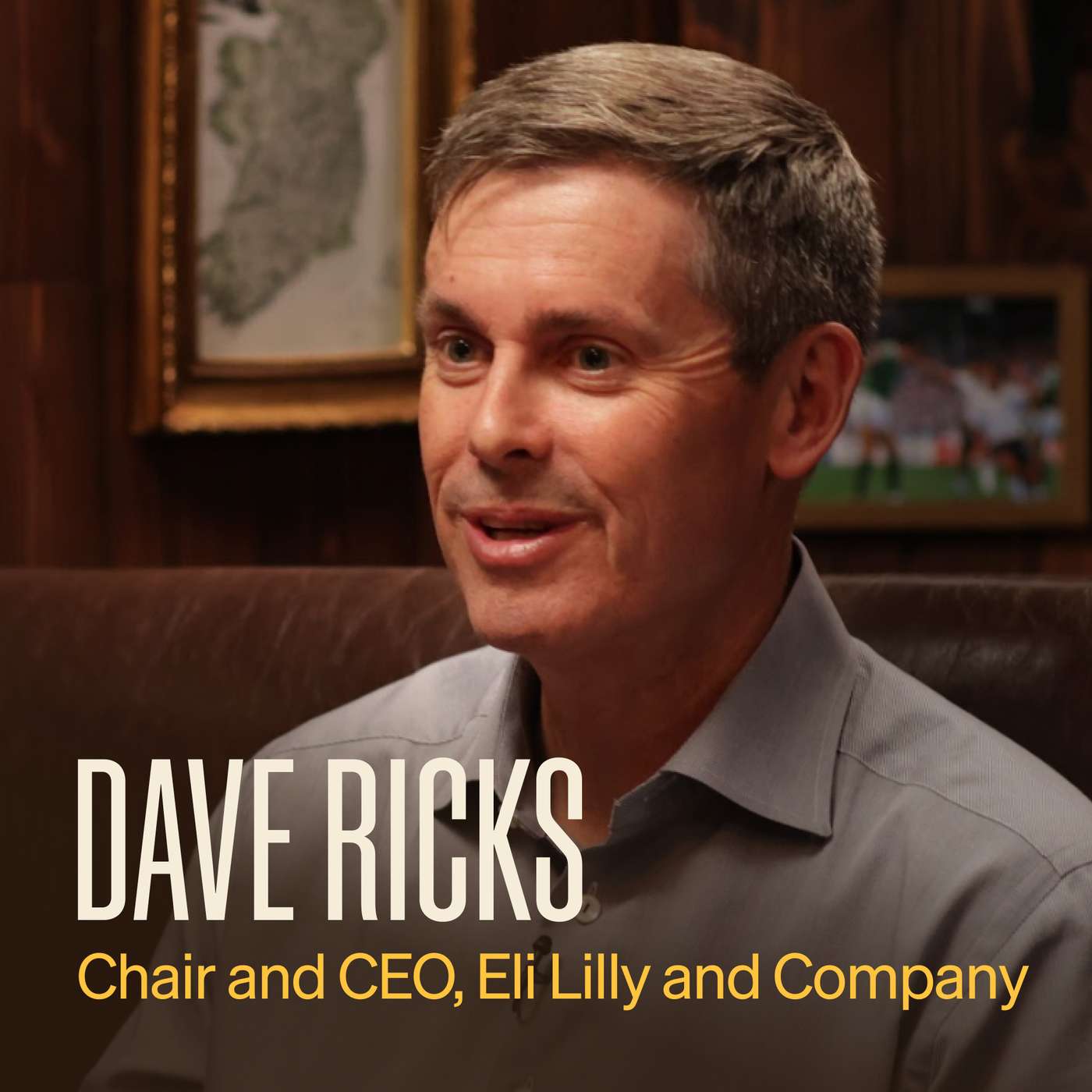
A significant number of Eli Lilly's compelling inventions came from unsanctioned projects. The company intentionally provides budget flexibility and avoids micromanagement at its R&D sites, allowing scientists to pursue their curiosity.
Lovable prioritizes hiring individuals with extreme passion, high agency, and autonomy—people for whom the work is a core part of their identity. This focus on intrinsic motivation, verified through paid work trials, allows them to build a team that can thrive in chaos and drive initiatives from start to finish without supervision.

An early Google Translate AI model was a research project taking 12 hours to process one sentence, making it commercially unviable. Legendary engineer Jeff Dean re-architected the algorithm to run in parallel, reducing the time to 100 milliseconds and making it product-ready, showcasing how engineering excellence bridges the research-to-production gap.
While unmotivated working on a Grammarly alternative, founder Naveen Nadeau secretly built a dictation tool for himself. This personal tool, later named Monologue, was so useful that it became his main focus, proving that inspiration can strike when solving your own problems on the side.

Rewarding successful outcomes incentivizes employees to choose less risky, less innovative projects they know they can complete. To foster true moonshots, Alphabet's X rewards behaviors like humility and curiosity, trusting that these habits are the leading indicators of long-term breakthroughs.