Get your free personalized podcast brief
We scan new podcasts and send you the top 5 insights daily.
The US military action, especially the blockade of the Straits of Hormuz, is harming Gulf nations economically. Instead of strengthening an anti-Iran coalition, this 'half-baked' approach is eroding goodwill and pushing these crucial partners away, undermining the primary strategic benefit of the operation.

Related Insights
Beyond oil price spikes, the true economic risk of the Iran conflict is reputational. By acting unilaterally, the U.S. shifts from being the enforcer of global stability to a "rogue nation," which could undermine the dollar's dominance and global trade norms.

Countries like the UAE and Saudi Arabia are ambivalent about US military action. Their primary fear is not a full-scale war, but a limited 'hit-and-run' strike where the US attacks and then diverts attention, leaving them 'naked and vulnerable' to Iranian retaliation without a long-term American security presence.
The bombing campaign, aimed at regime change, could be counterproductive. Prior to the conflict, Iran's regime was seen as unpopular and frail, potentially heading for collapse or moderation. The external attack risks creating a rally-round-the-flag effect, allowing the regime to consolidate power where mere survival becomes a victory.
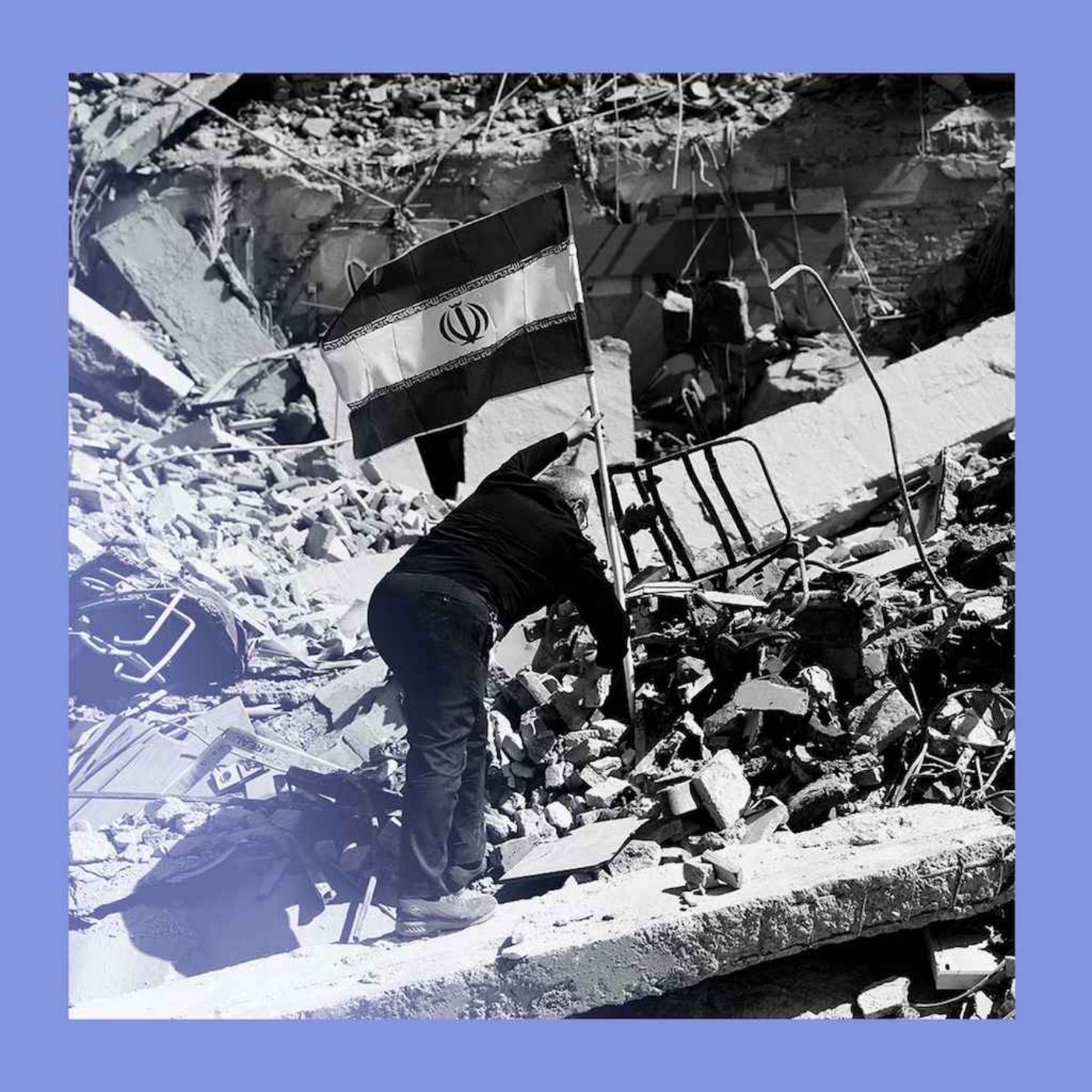
Beyond financial diversification, Gulf States may be using their significant investments in American venture capital as a bargaining chip. By threatening to review or pull back these commitments, they can apply economic pressure on the US administration to seek diplomatic solutions to conflicts like the Iran war.

The specific targeting choices in the initial Iran strikes—leadership, navy warships, and military infrastructure—suggest the primary goal is economic control, specifically securing the Strait of Hormuz. Had the true objective been nuclear deterrence, the focus would have been on destroying nuclear facilities, which was not the case.

Iran's attacks on GCC nations are not random. They are a calculated strategy to force these states to divert capital from US AI investments towards domestic defense, thereby undermining the backbone of the US economy.

The main driver for US action against Iran is to stabilize the Gulf region to secure over $2 trillion in investment deals with Saudi Arabia, Qatar, and the UAE. These deals are the centerpiece of Trump's economic agenda, making the threat from Iran an existential economic one.

Iran's attempt to sow regional instability by attacking nine Arab countries backfired. Instead of creating chaos, these militarily insignificant 'pinprick' attacks eliminated neutrality and pushed Gulf states to fully support the US-Israeli mission against Iran, viewing it as a necessary response.
The US cannot secure the Strait of Hormuz alone. The solution is a US-led military convoy that includes allies like Japan and South Korea, and even unconventional partners like China, who are heavily dependent on the oil route. This international presence creates a stronger deterrent and shares the burden.

A cynical but plausible US strategy is to provoke conflicts, like with Iran, and then withdraw. This forces regional allies such as Saudi Arabia and the UAE to manage the fallout by purchasing billions in American weaponry, creating a forced market for the defense industry.
