Get your free personalized podcast brief
We scan new podcasts and send you the top 5 insights daily.
AI's rapid evolution breaks traditional change management. Instead of top-down projects, identify employees naturally excited by this dynamism. Elevate these "culture carriers" to experiment, share successes, and help peers adapt, making transformation a continuous, peer-led process.

Related Insights
According to Adobe's CMO, the number one question from customers about new AI tools is not about features, but about how to get their teams to adopt them. The solution lies in identifying internal champions who are excited about the change and can act as catalysts to bring others along.

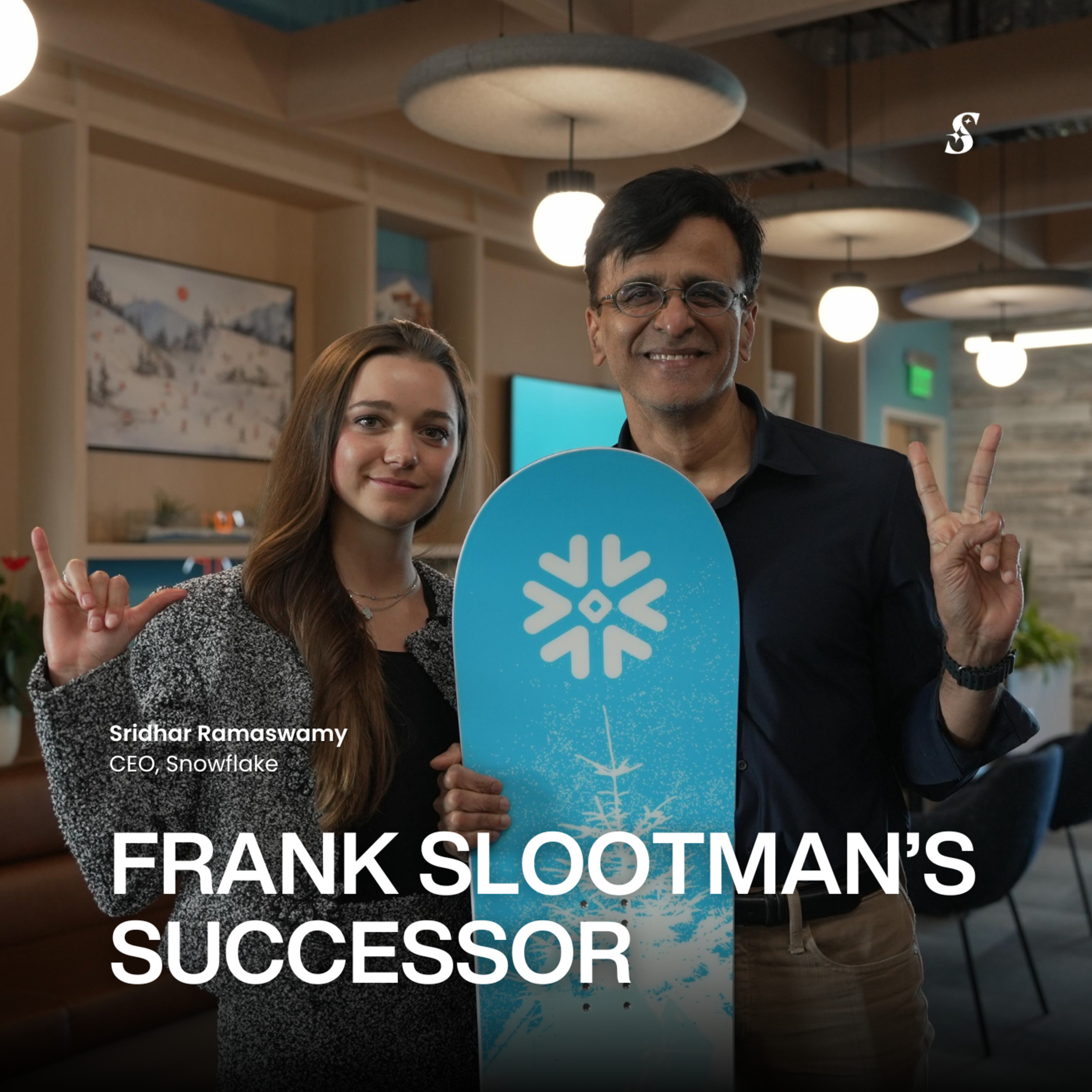
To drive internal change like adopting coding agents, Snowflake's CEO combines top-down goals with bottoms-up enthusiasm. He finds and elevates passionate early adopters—like a founder who fell in love with coding agents—whose influence proves more effective at driving change than executive mandates alone.

An effective AI strategy pairs a central task force for enablement—handling approvals, compliance, and awareness—with empowerment of frontline staff. The best, most elegant applications of AI will be identified by those doing the day-to-day work.

Effective AI adoption requires a three-part structure. 'Leadership' sets the vision and incentives. The 'Crowd' (all employees) experiments with AI tools in their own workflows. The 'Lab' (a dedicated internal team, not just IT) refines and scales the best ideas that emerge from the crowd.

To encourage widespread use of new AI tools, Qualcomm identifies key people to become 'super users'. As these evangelists demonstrate the tool's value and efficiency, they create a Fear Of Missing Out (FOMO) effect, generating organic demand and pulling the rest of the organization toward adoption rather than pushing it on them.
Top-down mandates for change, like adopting new tools, often fail. A more effective strategy is to identify and convert influential, respected figures within the organization—like a founder—into passionate advocates. Their authentic belief and evangelism will drive adoption far more effectively than any executive decree.
Effective AI integration isn't just a leadership directive or a grassroots movement; it requires both. Leadership must set the vision and signal AI's importance, while the organization must empower natural early adopters to experiment, share learnings, and pave the way for others.

Instead of immediately seeking outside consultants, leaders should identify and empower employees who are already using AI effectively. This validates their initiative, leverages existing knowledge, and provides them with a clear path for professional development and company-wide impact.

To transform a product organization, first provide universal access to AI tools. Second, support teams with training and 'builder days' led by internal champions. Finally, embed AI proficiency into career ladders to create lasting incentives and institutionalize the change.

A successful AI transformation isn't just about providing tools. It requires a dual approach: senior leadership must clearly communicate that AI adoption is a strategic priority, while simultaneously empowering individual employees with the tools and autonomy to innovate and transform their own workflows.
