Get your free personalized podcast brief
We scan new podcasts and send you the top 5 insights daily.
Top-down mandates for change, like adopting new tools, often fail. A more effective strategy is to identify and convert influential, respected figures within the organization—like a founder—into passionate advocates. Their authentic belief and evangelism will drive adoption far more effectively than any executive decree.
Related Insights
Don't expect your organization to adopt a new strategy uniformly. Apply the 'Crossing the Chasm' model internally: identify early adopters to champion the change, then methodically win over the early majority and laggards. This manages expectations and improves strategic alignment across the company.

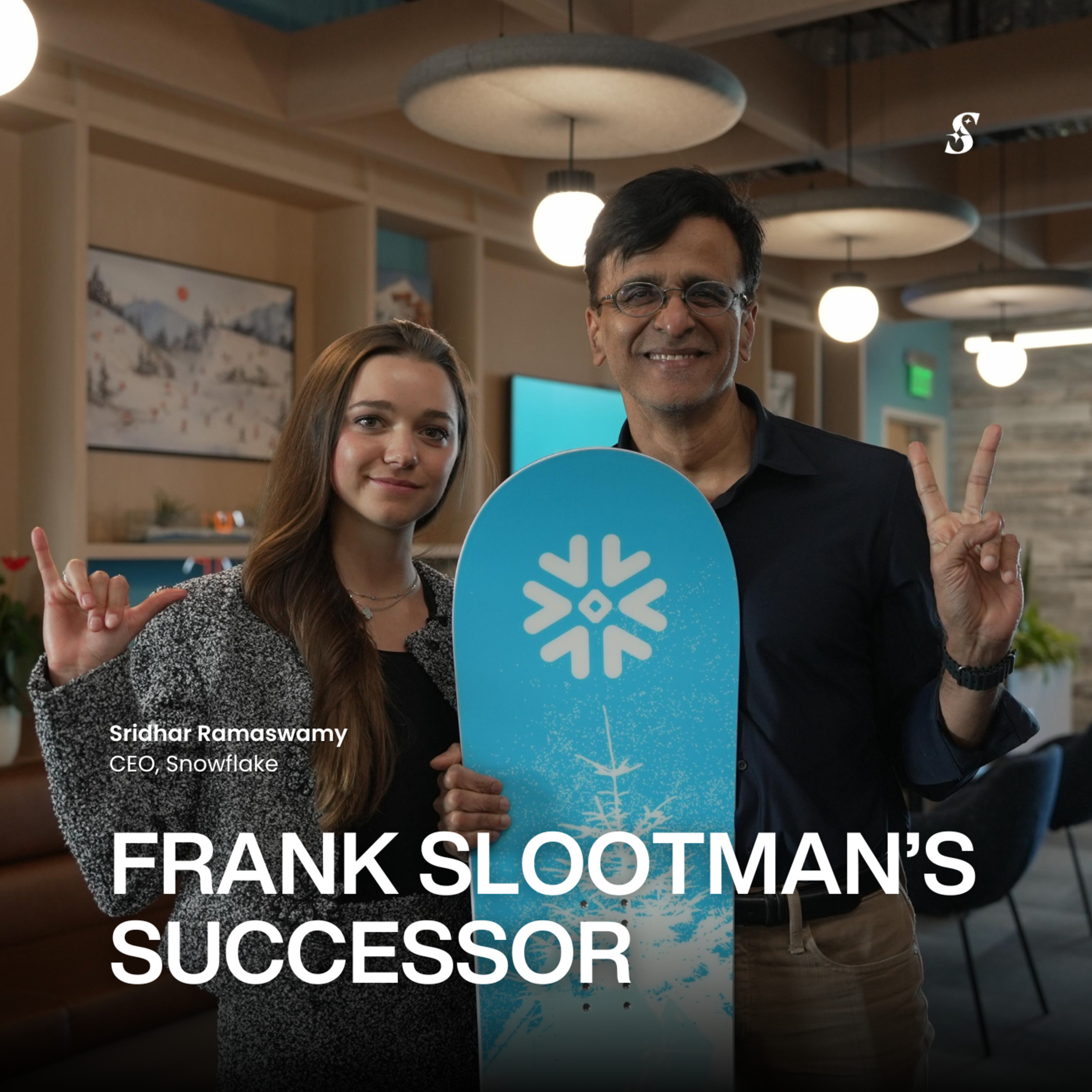
To drive internal change like adopting coding agents, Snowflake's CEO combines top-down goals with bottoms-up enthusiasm. He finds and elevates passionate early adopters—like a founder who fell in love with coding agents—whose influence proves more effective at driving change than executive mandates alone.

To drive transformation in a large organization, leaders must create a cultural movement rather than issuing top-down mandates. This involves creating a bold vision, empowering a community of 'changemakers,' and developing 'artifacts of change' like awards and new metrics to reinforce behaviors.

For internal tools, don't rely solely on product-led growth. A hybrid approach combines a frictionless product experience with a proactive "sales" strategy of advocating for the tool's potential, constantly proving its value to leadership, and removing friction for users.

To encourage widespread use of new AI tools, Qualcomm identifies key people to become 'super users'. As these evangelists demonstrate the tool's value and efficiency, they create a Fear Of Missing Out (FOMO) effect, generating organic demand and pulling the rest of the organization toward adoption rather than pushing it on them.

Top-down corporate announcements often fail to resonate. A more effective strategy is to first identify influential mid-level managers. Pre-brief these "change agents" on the "why" behind a change, enabling them to champion it authentically within their own teams.

Directly approaching large organizations is often ineffective. Instead, emulate Slack's growth model by getting individual employees to use and love the product. This creates internal champions who advocate for wider organizational adoption, pulling the product in rather than pushing it from the outside.

Webflow drove weekly Cursor adoption from 0% to 30% in its design team after one 'builder day' where every participant was required to demo a project. This combination of hands-on practice, peer support from champions, and clear expectations creates rapid, tangible adoption of new AI tools.

Forcing innovations to "scale" via top-down mandates often fails by robbing local teams of ownership. A better approach is to let good ideas "spread." If a solution is truly valuable, other teams will naturally adopt it. This pull-based model ensures change sticks and evolves.
Recognizing that not all employees will embrace new technology like AI, AT&T's marketing organization tasked a dedicated change management expert to drive adoption. This person runs internal "campaigns," including training and contests, to bring along more hesitant team members and ensure widespread usage.