Get your free personalized podcast brief
We scan new podcasts and send you the top 5 insights daily.
Effective AI adoption requires a three-part structure. 'Leadership' sets the vision and incentives. The 'Crowd' (all employees) experiments with AI tools in their own workflows. The 'Lab' (a dedicated internal team, not just IT) refines and scales the best ideas that emerge from the crowd.

Related Insights
For executives to truly drive AI adoption, simply using the tools isn't enough. They must model three key behaviors: publicly setting a clear vision for AI's role, actively participating in company-wide learning initiatives like hackathons, and empowering employees with the autonomy to experiment.

An effective AI strategy pairs a central task force for enablement—handling approvals, compliance, and awareness—with empowerment of frontline staff. The best, most elegant applications of AI will be identified by those doing the day-to-day work.

Webflow accelerates AI tool adoption using company-wide "Builder Days." This combines a top-down executive mandate (e.g., "no meetings without a prototype") with bottoms-up enablement, including tool access, support channels, and prizes. The goal is to move the entire organization up the adoption curve, not just early adopters.

The primary focus for leaders should be fostering a culture of safe, ethical, and collaborative AI use. This involves mandatory training and creating shared learning spaces, like Slack channels for prompt sharing, rather than just focusing on tool procurement.
A clear framework for managing AI-driven change is essential. It involves four key steps: 1) Secure absolute buy-in from leadership. 2) Involve frontline workers in the conversation. 3) Have leadership consistently and transparently communicate positive intent. 4) Create a safe environment for experimentation and learning.
To transform a product organization, first provide universal access to AI tools. Second, support teams with training and 'builder days' led by internal champions. Finally, embed AI proficiency into career ladders to create lasting incentives and institutionalize the change.

Relying solely on grassroots employee experimentation with AI is insufficient for transformation. Leadership must provide a top-down motion with resource allocation, budget, and permission for teams to fundamentally change workflows. This dual approach bridges the gap from experimentation to scale.
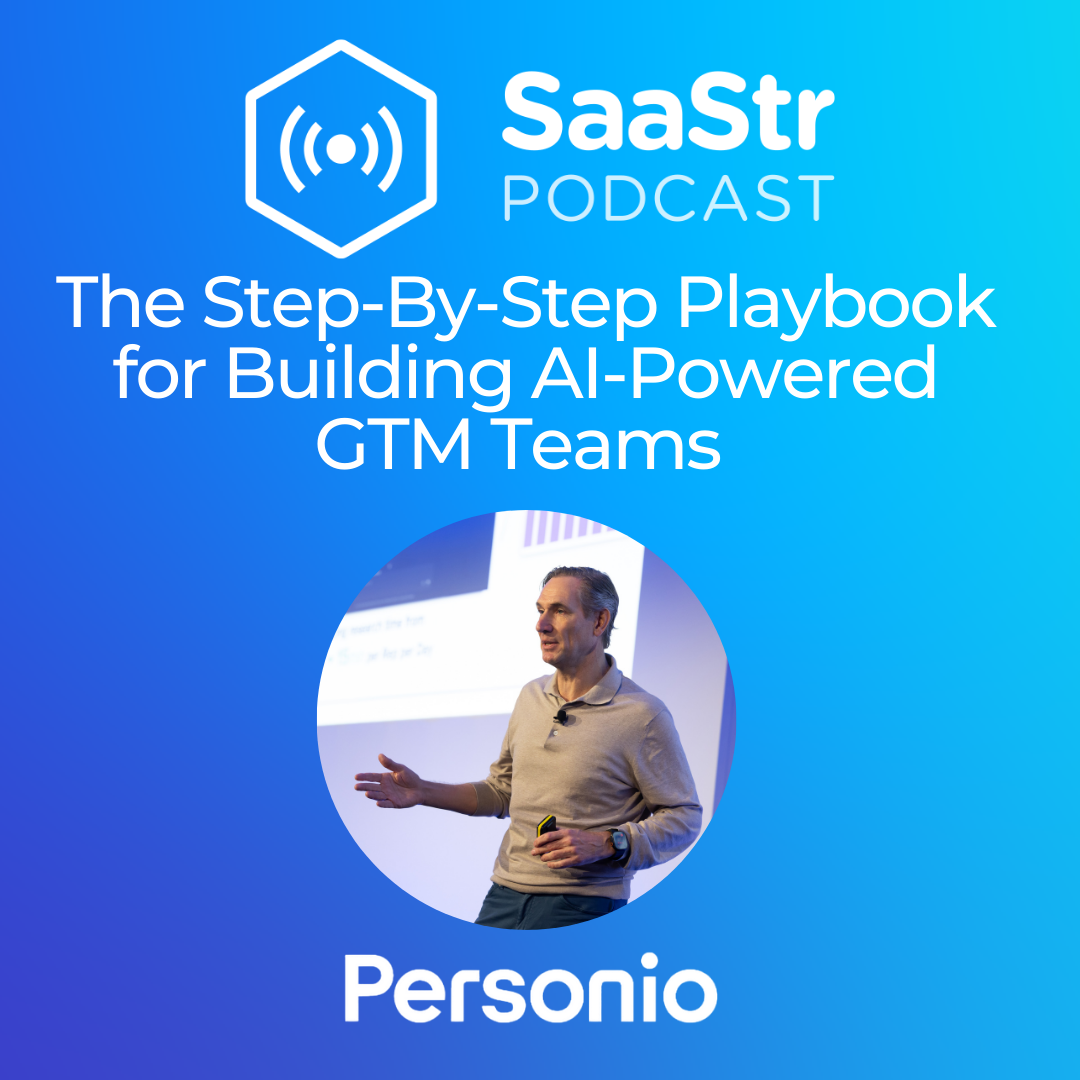
A successful AI transformation isn't just about providing tools. It requires a dual approach: senior leadership must clearly communicate that AI adoption is a strategic priority, while simultaneously empowering individual employees with the tools and autonomy to innovate and transform their own workflows.

Successful AI integration is a leadership priority, not a tech project. Leaders must "walk the talk" by personally using AI as a thought partner for their highest-value work, like reviewing financial statements or defining strategy. This hands-on approach is necessary to cast the vision and lead the cultural change required.

The most successful companies are those that fundamentally re-architect their culture and workflows around AI. This goes beyond implementing tools; it involves a top-down mandate to prepare the entire organization for future, more powerful AI, as exemplified by AppLovin's aggressive adoption strategy.