Get your free personalized podcast brief
We scan new podcasts and send you the top 5 insights daily.
Spending on brand awareness outside your ideal customer profile does more than waste budget; it creates demand you cannot supply. This educates and warms up potential buyers, effectively teeing them up for your competitors to acquire, turning your marketing spend into their lead generation.

Related Insights
By measuring success on 'last lead source,' the company was incentivized to pour money into paid search for product trials—a clear final touchpoint. This model blinded them to the higher value of other lead types and actively discouraged investment in demand creation activities that build brand and generate higher-quality leads.

The most significant marketing mistake is using data to push consumers down a brand-desired path they aren't interested in. It is far more effective to identify and build upon existing consumer behaviors. Forcing a misaligned journey is a waste of resources and alienates the customer base.

Gap's Head of Digital argues that a lack of brand investment forces performance marketing to work harder and become less profitable. Strong brand relevance makes all other marketing efforts more efficient, creating a symbiotic relationship.
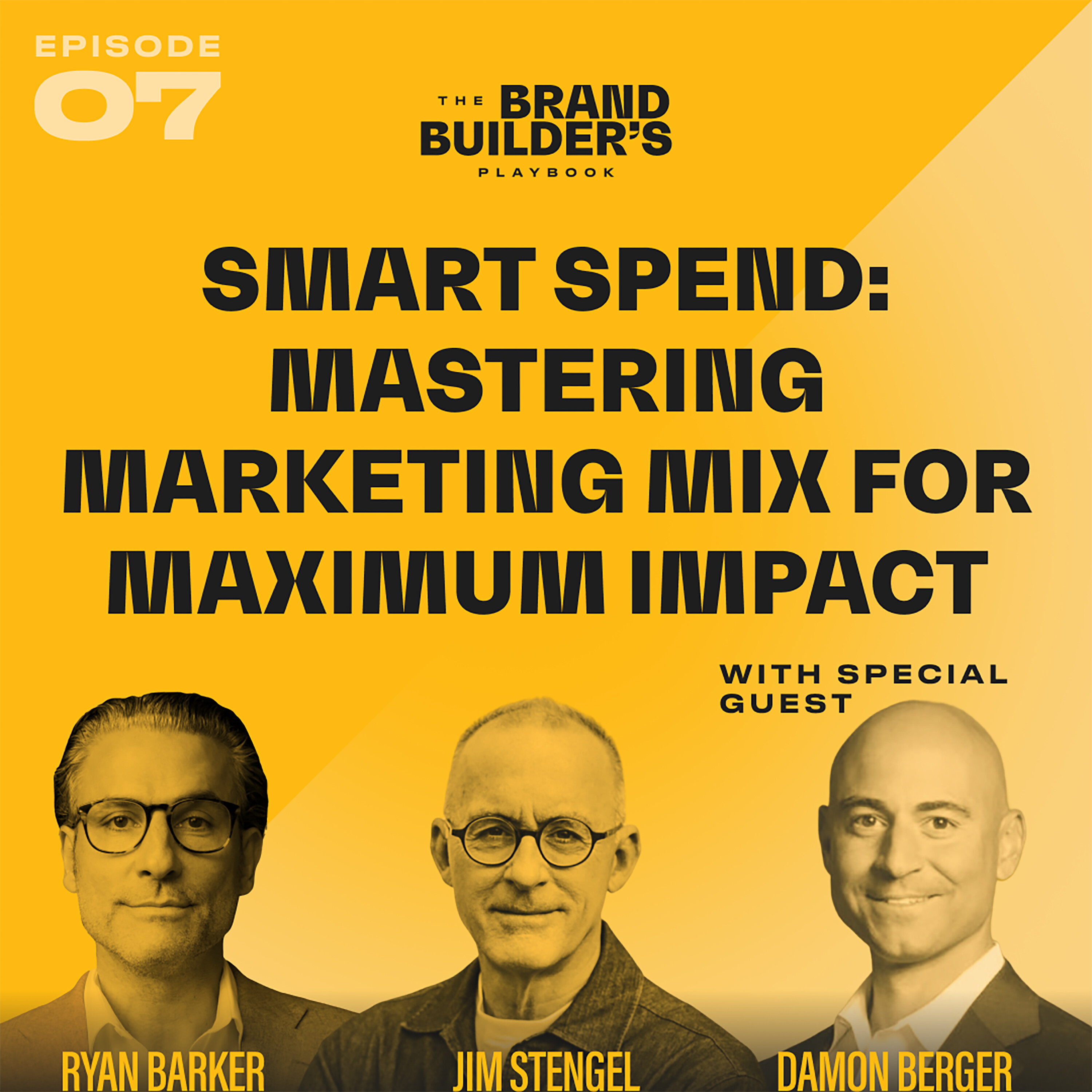
Effective marketing must create "healthy tension" that drives both awareness and customer acquisition. According to Autodesk's CMO, tension that only creates awareness while alienating potential customers becomes "toxic" and ultimately harms the brand's business results.
Bizzabo created a campaign personifying the frustrations of its main competitor's customers. By directly addressing specific pain points heard in sales calls, the campaign resonated deeply with prospects and highlighted Bizzabo's superior solutions in a memorable, targeted way.

Effective demand generation is a barbell, requiring strong top-of-funnel brand investment to create awareness and great bottom-of-funnel product marketing to convert interest. Viewing performance marketing as a standalone function and funding it in isolation is like "throwing money at a problem but not solving it."

Citing LinkedIn research, the speaker highlights a mere 16% overlap in target audiences between sales and marketing teams. This massive disconnect means 84% of marketing efforts and budget are wasted on prospects sales will never pursue, fundamentally undermining GTM efficiency.
Data reveals a 'doom loop' of diminishing returns for companies over-relying on performance marketing. Brand investment acts as a multiplier, improving conversion and efficiency. Campaigns that combine brand and performance see a 90% higher ROI, while performance marketing for a weak brand yields a negative 40% ROI.

Shift the mindset from a brand vs. performance dichotomy. All marketing should be measured for performance. For brand initiatives, use metrics like branded search volume per dollar spent to quantify impact and tie "fluffy" activities to tangible growth outcomes.

Counterintuitively, dedicating budget to campaigns optimized for engagements, follows, and shares can be a powerful brand-building tool. This approach reaches more people less expensively than conversion campaigns, building an audience and 'searing memories' that lead to future demand, complementing direct response efforts.