Get your free personalized podcast brief
We scan new podcasts and send you the top 5 insights daily.
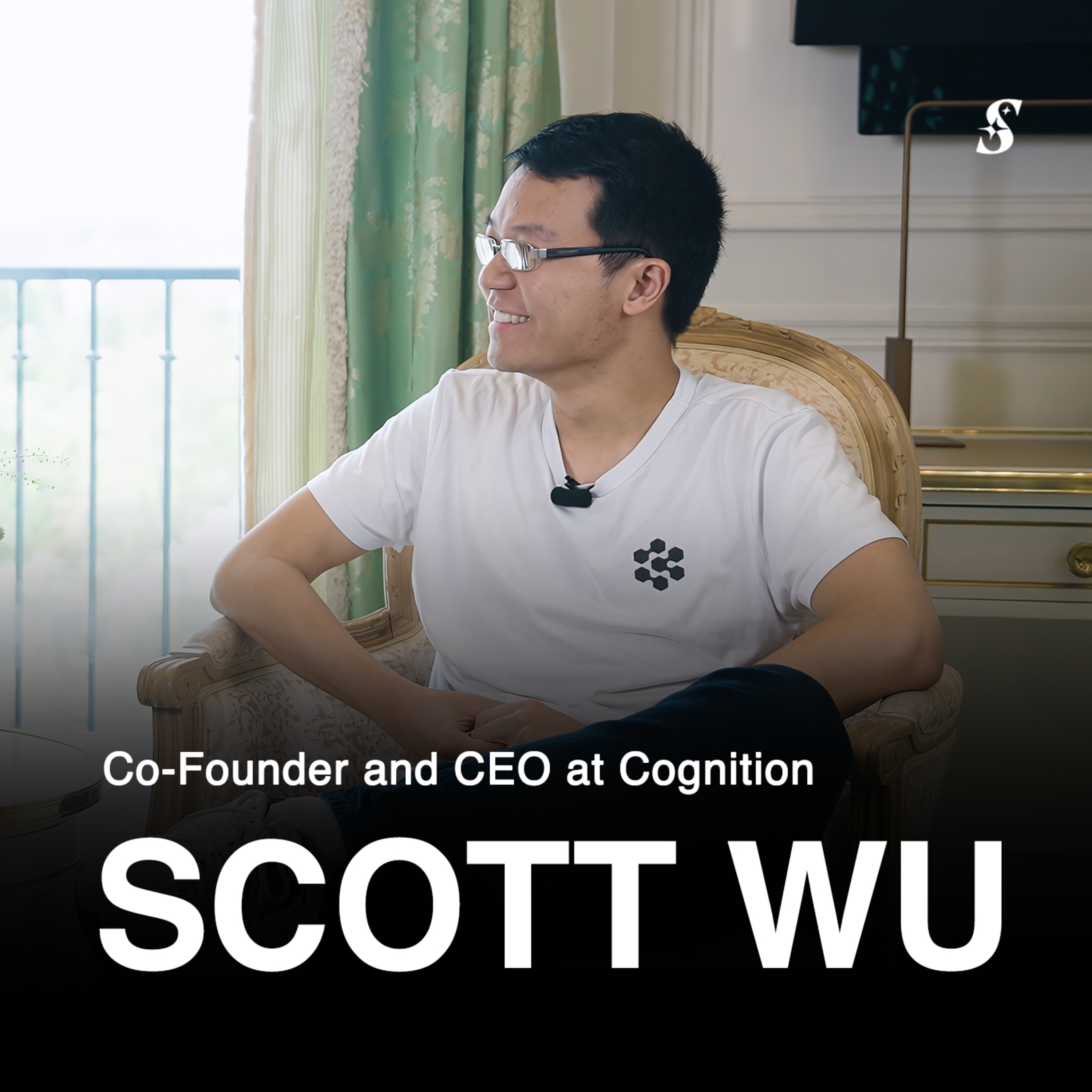
Instead of forcing a rapid, top-down integration of Windsurf's IDE, Cognition adopted a gradual approach. They let natural product evolution and overlapping user needs pull the two products together over time, avoiding disruption and ensuring the final integrated product genuinely solved user problems.
Related Insights
To create a cohesive product across multiple teams, GitHub uses a framework that forces alignment upfront. By ensuring all teams first deeply understand the problem and collectively identify solutions, the final execution is naturally integrated, preventing a disjointed experience that mirrors the org structure.

Cisco rejects a one-size-fits-all integration timeline. It rapidly integrates corporate functions like HR, finance, and legal for control and compliance. However, it takes a more measured, "surgical" approach with core value drivers like engineering and sales to protect the acquired company's unique strengths.

The most critical lesson from integrating 22 acquisitions wasn't about perfecting data migration. Instead, success was determined by spending significant time with acquired teams *before* migrating core systems. This human-centric approach ensures teams feel supported and bought into the new direction, which is more impactful than technical flawlessness.

Deel accelerates product integrations by building a new front-end on the acquired company's back-end within a month. This allows the sales team to start training immediately, while engineering rebuilds the full back-end in parallel over the next 11 months, drastically cutting time-to-market.

Don't surprise an acquired company with an integration plan on day one. Snowflake turns diligence into a collaborative process post-term sheet. They work with the target's leadership to jointly build the integration thesis, define milestones, and agree on charters, ensuring buy-in and alignment before the deal is even signed.
Don't force your sales team to learn and sell a completely new product. Instead, integrate the new capability into an existing, successful product, making it "first" or "default" for that channel. This reduces sales friction and complexity, leveraging established momentum for adoption.

During a merger, prioritize people over process. Technical integration is secondary to building trust between teams. Use simple, cultural activities like joint happy hours and "show-and-tells" about the tech stack to humanize the engineering effort and foster empathetic collaboration early on.

The acquisition of Clapp wasn't driven by market analysis but by the Lemlist team becoming passionate users first. The CEO fell in love with the product, leading to company-wide adoption. This bottom-up conviction in the product's quality was the starting point for the M&A conversation.

During M&A integration, conflict arises when teams defend their respective solutions. Re-center the conversation on the customer problem they both aimed to solve. Emphasizing that all solutions are temporary and fungible de-escalates conflict and fosters alignment around a shared, permanent goal.

A detailed, rigid integration plan is fragile. A better approach is to create an "integration thesis" that sets clear "goalposts" and timelines for making key decisions. This allows for flexibility and data-informed choices (e.g., using A/B tests post-close) rather than locking into pre-deal assumptions.