Get your free personalized podcast brief
We scan new podcasts and send you the top 5 insights daily.
Fundraising isn't a unique skill; it's a direct application of enterprise sales principles. Founders with a sales background have a significant advantage because they can apply the same tactics of pipeline management, relationship building, and closing to secure investment.

Related Insights
Beyond vision, the most exceptional founders can convince top talent to take pay cuts, persuade investors to fund them, and sign initial customers against all odds. This ability to conjure key resources is a primary indicator of success for early-stage investors to identify.

At the $1-10M ARR stage, avoid junior reps or VPs from large companies. The ideal first hire can "cosplay a founder"—they sell the vision, craft creative deals, and build trust without a playbook. Consider former founders or deep product experts, even with no formal sales experience.

Enterprise leaders aren't motivated by solving small, specific problems. Founders succeed by "vision casting"—selling a future state or opportunity that gives the buyer a competitive edge ("alpha"). This excites them enough to champion a deal internally.
Founders can secure meetings, pivot in conversations, and leverage their deep product knowledge in ways that hired salespeople cannot. This initial success is a unique, non-repeatable phase of founder-led selling, not a scalable go-to-market strategy to be replicated by a sales team.

Merge's founder views the seed round not just as a capital raise but as a test of street smarts and sales skills. How a founder manages intros, creates FOMO, and navigates the "dating game" with VCs is a direct indicator of their future success in acquiring actual customers.

Rather than imposing processes after investing, VCs can use frameworks like the "sales sprint" as a pre-investment litmus test. Sharing the approach and observing the founder's reaction reveals their mindset. A founder who is eager to adopt a disciplined, customer-centric process is a stronger bet than one who must be forced into it.

A startup's initial salesperson should prioritize mirroring the founder's successful sales approach. Their job is to deconstruct the founder's "hook" through observation and trial-and-error, not to immediately implement formal sales processes, metrics, or a CRM. Success comes from successful knowledge transfer, not premature system building.
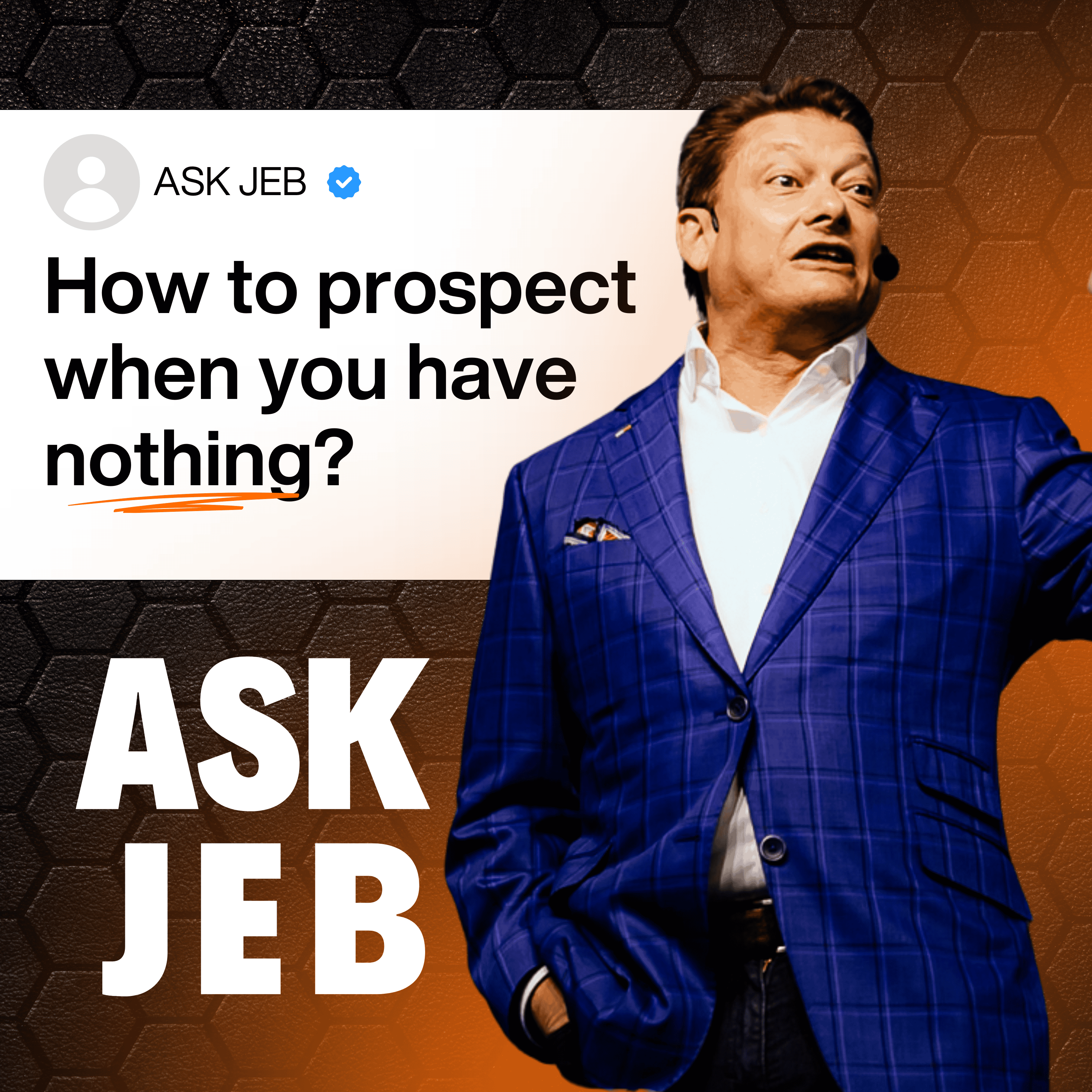
Kukun's founder emphasizes that personal outreach and explaining the ROI are his most effective growth channels. Instead of pitching a product as a SKU, he acts as a consultant during the sales cycle. This high-touch, consultative approach is crucial for navigating complex enterprise sales and demonstrating clear value.

The founder, as the best salesperson, should always have a trainee shadowing them. This "double dips" on their time, turning every sales activity into a real-time training session. It's the most efficient way to transfer skills, duplicate the founder's success across a team, and build a scalable sales process based on modeling.

The most effective fundraising strategy isn't a rigid, time-boxed "process." Instead, elite founders build genuine relationships with target VCs over months. When it's time to raise, the groundwork is laid, turning the fundraise into a quick, casual commitment rather than a competitive, game-driven event.
