Get your free personalized podcast brief
We scan new podcasts and send you the top 5 insights daily.
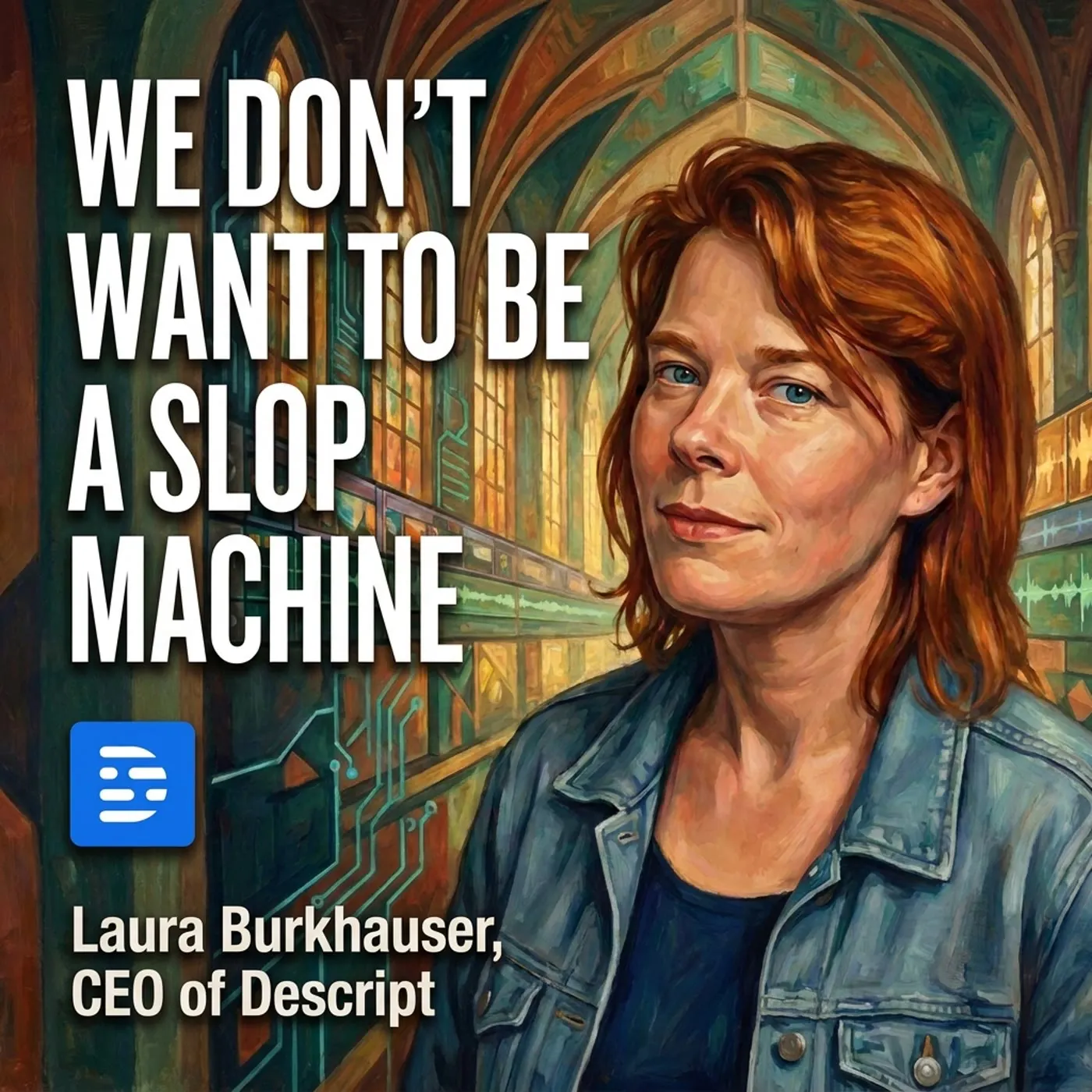
The distinction between AI-generated content and 'slop' is the creator's intent. Slop is characterized by a fundamental contempt for its audience, created not for art or communication but purely to manipulate engagement for low-rent financial gain like ad arbitrage.

Related Insights
The negative reaction to "AI slop" isn't because the writing is poor. AI often produces above-average content using effective patterns. The problem is that these patterns are now so accessible and widely used that they've become saturated and generic, making the content easy to spot.

Users despise AI "slop" but admire the "farmer" who creates. This paradox highlights a tension: is an AI content creator still a noble artisan, or just a purveyor of low-quality feed for the masses? The value of "craft" is being re-evaluated.

The internet's value stems from an economy of unique human creations. AI-generated content, or "slop," replaces this with low-quality, soulless output, breaking the internet's economic engine. This trend now appears in VC pitches, with founders presenting AI-generated ideas they don't truly understand.

The fear of AI generating low-quality "slop" content is misplaced, as humans have been producing clickbait and low-brow entertainment for years. "Slop" is defined by the quality of the narrative and its effect on the viewer, not the tool used for its creation.

Eoin Clancy of Airops defines low-quality AI content, or 'slop,' with three indicators: 1) It isn't unique and fails to advance the conversation. 2) It doesn't sound like your brand. 3) It uses robotic language, such as 'utilize' instead of 'use' or excessive em-dashes.

The term "slop" is misattributed to AI. It actually describes any generic, undifferentiated output designed for mass appeal, a problem that existed in human-made media long before LLMs. AI is simply a new tool for scaling its creation.

The definition of "AI slop" is evolving from obviously fake images to a flood of perfectly polished, generic, and boring content. As AI makes flattering imagery cheap to produce, authentic, unpolished, and even unflattering content becomes more valuable for creators trying to stand out on platforms like Instagram.

The visceral rejection of AI-generated content as "slop" is not the root cause of anti-AI sentiment; it's a symptom. People already skeptical of AI for other reasons (job fears, ethics) are predisposed to view its output negatively. This dislike is a cultural manifestation of a pre-existing bias.

As AI makes content creation ubiquitous, the internet is flooded with shallow, generic "AI slop." Consumers are adept at spotting it, with 59% saying it damages their trust in a brand. This creates a premium for human-crafted, authentic stories.

Slop is content mass-produced for algorithmic arbitrage, driven by financial incentives. It's distinct from 'bad art,' which is a crucial, experimental stage in a creator's journey toward mastery, and something Descript's CEO actively supports.