Get your free personalized podcast brief
We scan new podcasts and send you the top 5 insights daily.
Chinese leadership's greatest fear is its dependence on global trade for resources and markets, seeing it as a primary vulnerability in a conflict with the US. Policies promoting energy independence, like massive coal and solar investments, are direct attempts to escape this strategic trap.
![Walter Russell Mead - How America Keeps Winning - [Invest Like the Best, EP.490] thumbnail](https://megaphone.imgix.net/podcasts/ef669774-cccd-11ed-889b-c36caad6646f/image/158efdddfb983d2678b3530d484e8aa2.jpg?ixlib=rails-4.3.1&max-w=3000&max-h=3000&fit=crop&auto=format,compress)
Related Insights
The push for conflict with Iran wasn't just about nuclear threats but a calculated move. By controlling the Strait of Hormuz, the US could cut off China's primary oil source, forcing them into economic concessions and shoring up the US dollar.

Contrary to popular belief, China is poorly positioned to lead a new world order. Its entire economic model relies on the pillars of the old system: stable global supply chains, Western capital, and affordable Middle Eastern energy. A shift to a de-globalized, regionalized world breaks all three pillars, potentially stalling China's rise.

China's renewed commitment to the previously stalled Power of Siberia 2 gas pipeline is a direct geopolitical response to the U.S. using trade and energy as weapons. This move signals a strategic pivot to reduce its energy dependency on the Western Hemisphere amid escalating trade tensions.

China aims for maximum self-sufficiency while simultaneously encouraging foreign economic dependence on its market. This calculated strategy creates powerful geopolitical leverage, as countries like Germany become hesitant to challenge China for fear of damaging their significant commercial interests.

China's investment in green technology is driven less by environmentalism and more by strategic goals. By dominating renewables and EVs, China reduces its dependence on foreign oil—a key vulnerability in a potential conflict with the US—while building global soft power and boosting its GDP through green tech exports.
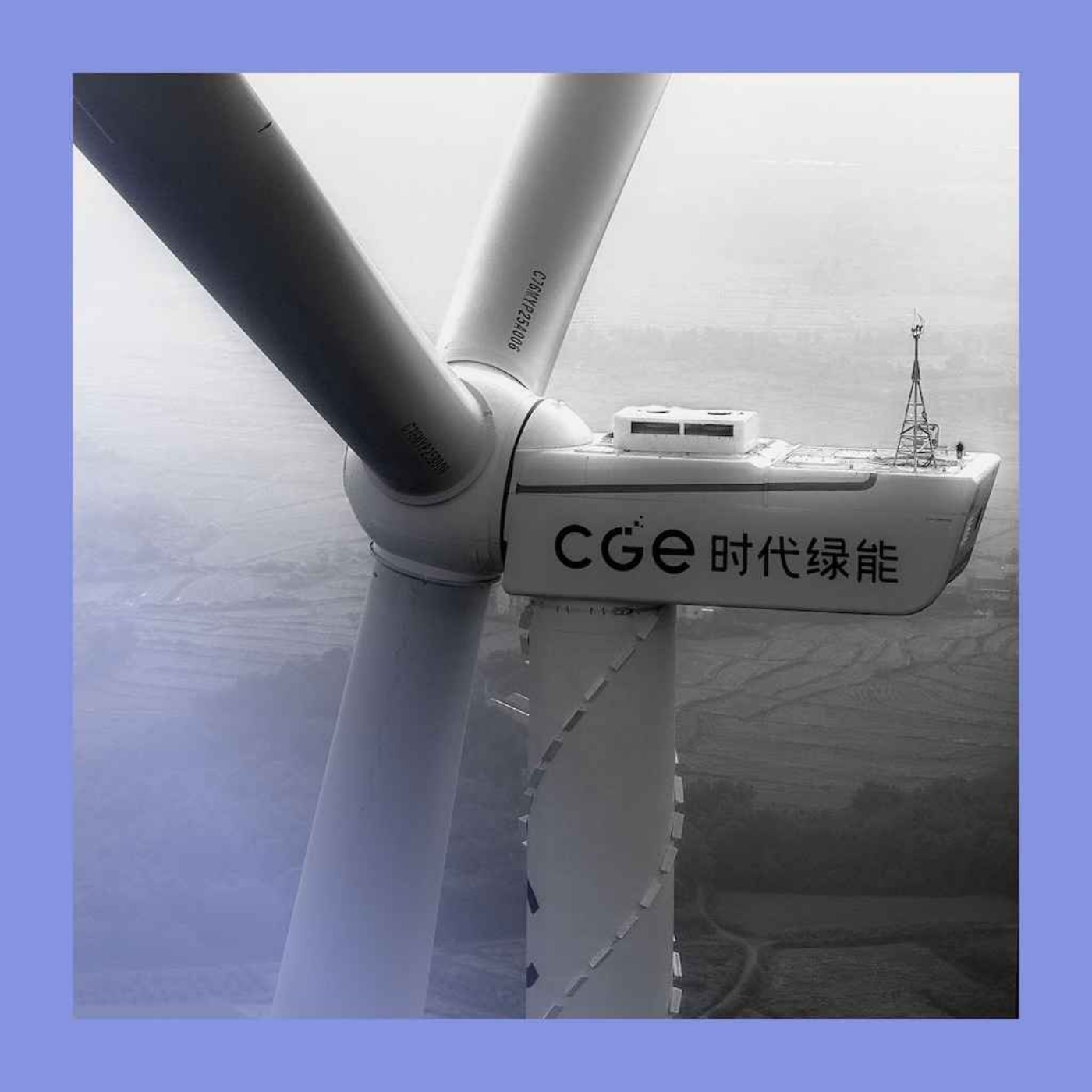
China's frantic deployment of solar is a strategic move to reduce dependence on oil imported through sea lanes it doesn't control, such as the Strait of Malacca. By becoming an 'electrostate,' China aims to neutralize a key point of economic and military leverage held by the U.S. and its allies.
China's investment in electric vehicles and renewables was not primarily driven by recent climate concerns. It was a long-term industrial strategy, planned for decades, to achieve energy security. Lacking oil reserves, China invested early to leapfrog Western automakers and avoid foreign energy dependence.

China is waging economic, not military, war. By creating its own self-sufficient tech ecosystem and offering cheaper alternatives globally, it aims to break the world's reliance on the American tech monopoly and peel away its economic allies.

Beyond raw materials, China's national ambition is to achieve near-total self-sufficiency. The prevailing mood is that there is "nothing for which it wants to rely on foreigners a single day longer than it has to." This philosophy of aggressive import substitution signals a fundamental break with the logic of reciprocal global trade.

China's geopolitical strategy is not 'win-win' but a calculated effort to make other nations' economies dependent on its massive market. This dependence is then leveraged to control their sovereignty, while China ensures it remains independent of any single partner by diversifying its own sources.
