Get your free personalized podcast brief
We scan new podcasts and send you the top 5 insights daily.
China's investment in electric vehicles and renewables was not primarily driven by recent climate concerns. It was a long-term industrial strategy, planned for decades, to achieve energy security. Lacking oil reserves, China invested early to leapfrog Western automakers and avoid foreign energy dependence.

Related Insights
China's investment in green technology is driven less by environmentalism and more by strategic goals. By dominating renewables and EVs, China reduces its dependence on foreign oil—a key vulnerability in a potential conflict with the US—while building global soft power and boosting its GDP through green tech exports.
China's frantic deployment of solar is a strategic move to reduce dependence on oil imported through sea lanes it doesn't control, such as the Strait of Malacca. By becoming an 'electrostate,' China aims to neutralize a key point of economic and military leverage held by the U.S. and its allies.

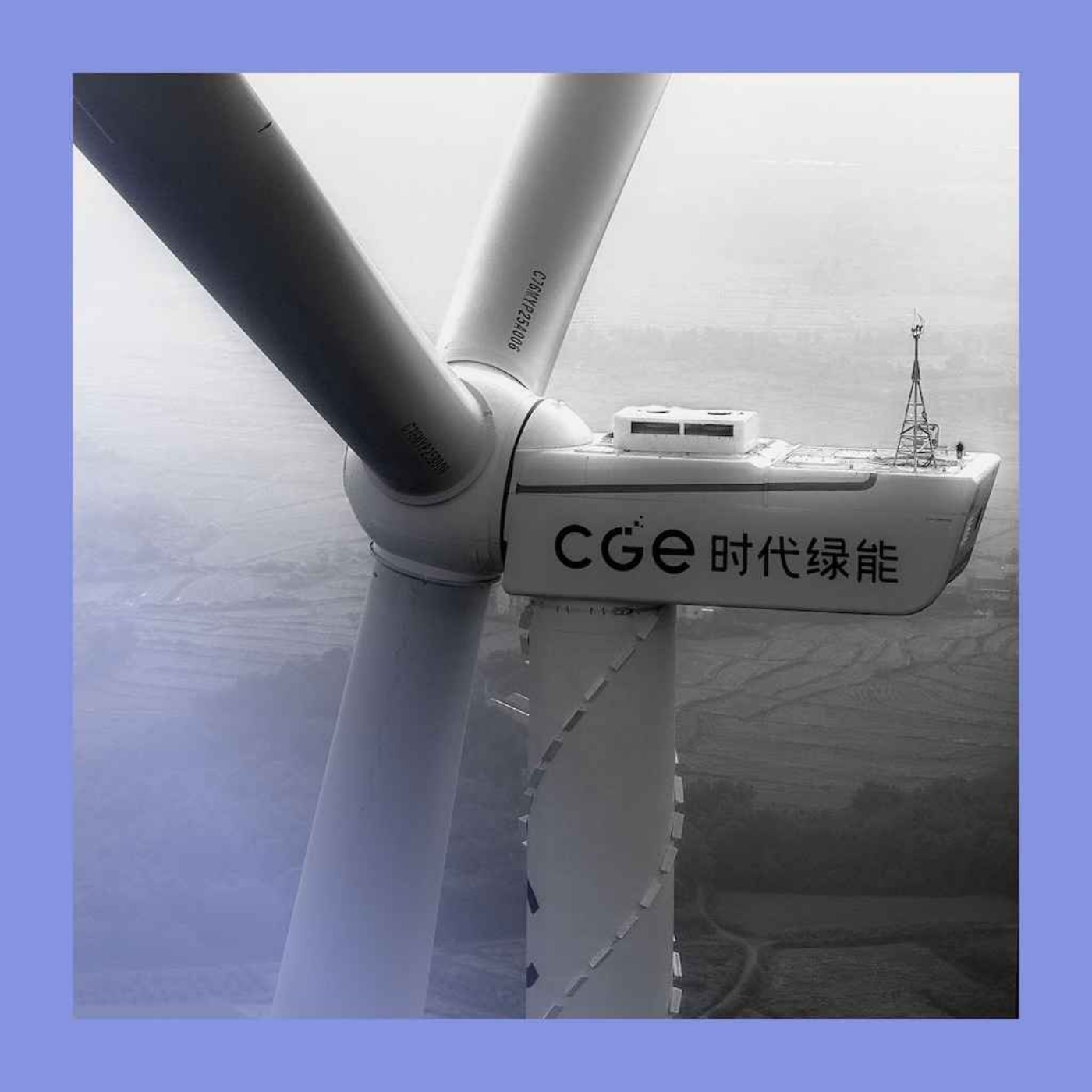
Blockades in critical waterways like the Strait of Hormuz force nations to seek energy independence through renewables. This structural shift primarily benefits China, which controls the majority of the global supply chain for windmills (60%), EVs (70%), and solar panels (80%), solidifying its long-term strategic advantage.

Nations are rapidly investing in renewables to reduce dependence on fossil fuels controlled by unstable regions. This shift is driven by a desire for energy security and economic stability, making it a more powerful catalyst than climate change activism alone.

China strategically skipped competing in established markets like internal combustion engines to focus on emerging technologies like electric vehicles. This allowed them to build a competitive advantage from the ground up, leveraging their domestic market and dense supply chains to become world leaders.
![John Arnold - China, Energy Markets and Fixing America's Systems - [Invest Like the Best, EP.461] thumbnail](https://megaphone.imgix.net/podcasts/8d466670-1755-11f1-baf2-dfb3d97a3978/image/4ec9ac82b5c7a937e9e90aa69d037805.jpg?ixlib=rails-4.3.1&max-w=3000&max-h=3000&fit=crop&auto=format,compress)
While the Iran conflict creates short-term economic pain for China, it powerfully validates its long-term strategy. The disruption in the Strait of Hormuz highlights the vulnerability of oil dependency, making China's massive, state-led investments in electrification, solar, and batteries appear exceptionally prescient and strategic.

While the U.S. pursues "energy dominance" via LNG and oil exports, China is establishing itself as a "green tech superpower." By supplying affordable solar panels, batteries, and EVs, China offers other nations a path to energy security and independence, creating a new form of geopolitical influence that challenges the fossil fuel-based world order.

Faced with geopolitical uncertainty in key supplier nations, China employs a dual strategy for energy security. It has built a massive oil stockpile providing 120 days of cover for supply disruptions. Concurrently, it's rapidly electrifying its transport sector to reduce its long-term dependence on imported oil.

The global pivot to renewables and EVs is increasingly driven by national security, not just climate policy. Nations like China and Europe are accelerating investments to achieve energy independence and insulate themselves from weaponized fossil fuel supplies (e.g., US LNG, Russian gas), recasting the energy transition as a security imperative.

The global energy transition is also a geopolitical race. China is strategically positioning itself to dominate 21st-century technologies like solar and EVs. In contrast, the U.S. is hampered by a legacy mindset that equates economic growth with fossil fuels, risking its future competitiveness.
