Get your free personalized podcast brief
We scan new podcasts and send you the top 5 insights daily.
China aims for maximum self-sufficiency while simultaneously encouraging foreign economic dependence on its market. This calculated strategy creates powerful geopolitical leverage, as countries like Germany become hesitant to challenge China for fear of damaging their significant commercial interests.

Related Insights
Unlike in the West, China's economic dysfunctions like industrial overcapacity paradoxically strengthen its global position. This creates massive trade surpluses and investment leverage, forcing other nations to welcome Chinese capital and increasing Beijing's geopolitical heft.
From China's perspective, producing more than it needs and exporting at cutthroat prices is a strategic tool, not an economic problem. This form of industrial warfare is designed to weaken other nations' manufacturing bases, prioritizing geopolitical goals over profit.
Unlike the US, China expands its influence by offering to build highways, airports, and electrical grids for other nations. This 'soft power' approach, funded by a large trade surplus, has allowed it to gain significant control in regions like Africa without military intervention.

For the first time, China's economic power—measured by purchasing power parity, manufacturing output, and control over critical minerals—has shifted the global power balance. This gives President Xi a stronger negotiating position than his U.S. counterpart, as China can now weaponize economic dependencies more effectively.

The strategic competition with China is often viewed through a high-tech military lens, but its true power lies in dominating the low-tech supply chain. China can cripple other economies by simply withholding basic components like nuts, bolts, and screws, proving that industrial basics are a key geopolitical weapon.

China's investment in green technology is driven less by environmentalism and more by strategic goals. By dominating renewables and EVs, China reduces its dependence on foreign oil—a key vulnerability in a potential conflict with the US—while building global soft power and boosting its GDP through green tech exports.
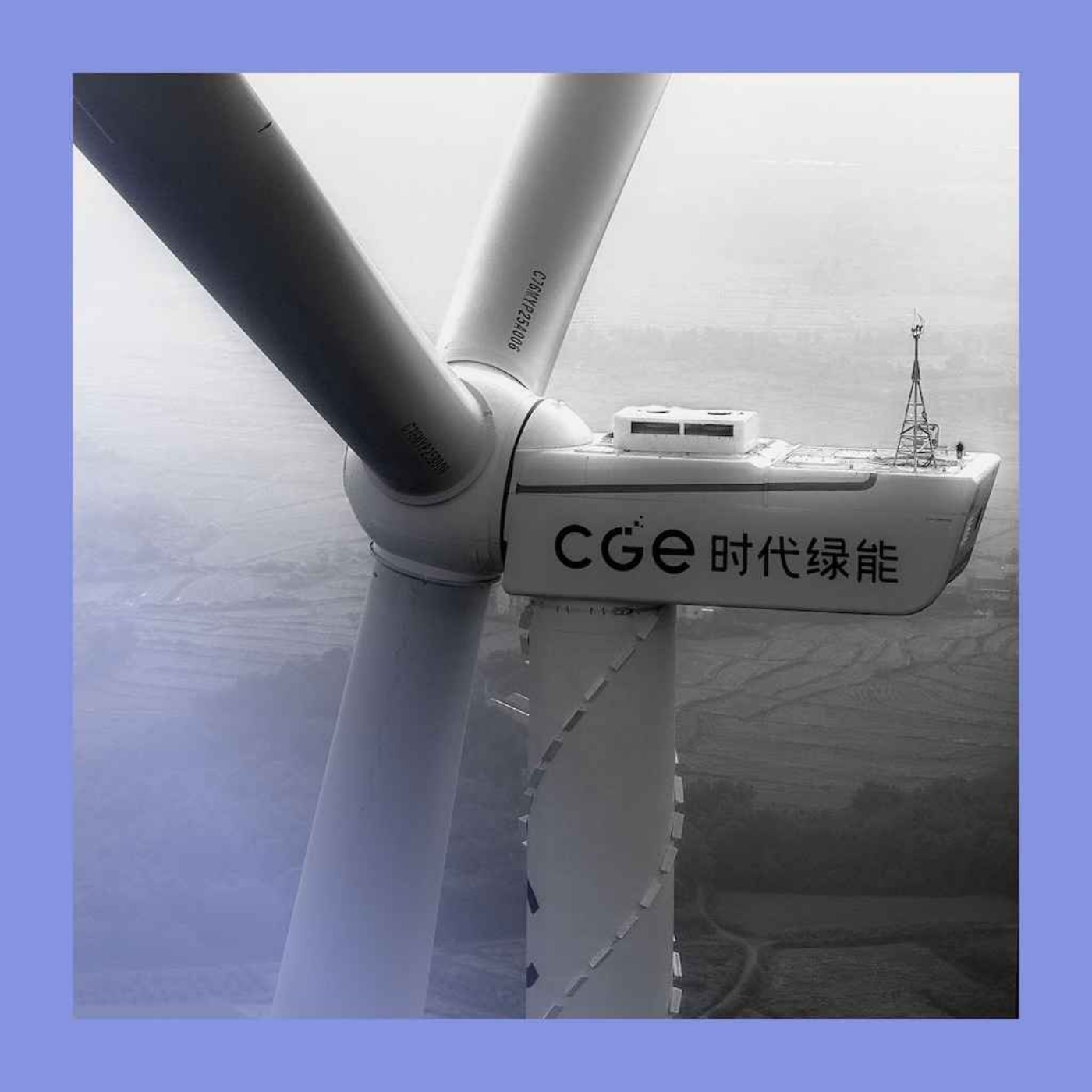
China's frantic deployment of solar is a strategic move to reduce dependence on oil imported through sea lanes it doesn't control, such as the Strait of Malacca. By becoming an 'electrostate,' China aims to neutralize a key point of economic and military leverage held by the U.S. and its allies.

While the U.S. employs aggressive, short-term tactics, China plays a long game. They use economic incentives and a 'friendly' image to win allies, which erodes America's global standing over time as nations seek a less volatile partner.

Contrary to common perception, China holds the stronger hand in its relationship with the U.S. As the world's creditor and primary producer, China can sell its goods to billions of other global consumers. The U.S., as a debtor and consumer nation, is far more dependent on China than the other way around.

Beyond raw materials, China's national ambition is to achieve near-total self-sufficiency. The prevailing mood is that there is "nothing for which it wants to rely on foreigners a single day longer than it has to." This philosophy of aggressive import substitution signals a fundamental break with the logic of reciprocal global trade.
