Get your free personalized podcast brief
We scan new podcasts and send you the top 5 insights daily.
Adults are constrained by learned rules, survival instincts, and established belief systems. Children, free from this baggage, create from a place of pure, unfiltered perception and "not knowing," which is a powerful advantage in the creative process.

Related Insights
Our brains are wired to follow the path of least resistance. Imposing constraints, such as limiting resources or blocking familiar solutions, is the only way to force the brain to abandon convenience and engage in truly creative problem-solving.

Unlike adults conditioned by decades of clunky software, children approach AI with no preconceived notions of what is possible. This "beginner's mind" allows them to unlock more creative and powerful use cases because they've never learned what not to ask for.

A study of art students found that long-term creative success was predicted not by skill or confidence, but by the tendency to spend more time exploring objects and defining the "problem" of their drawing. True creativity emerges from deeply understanding the situation itself before attempting a solution.

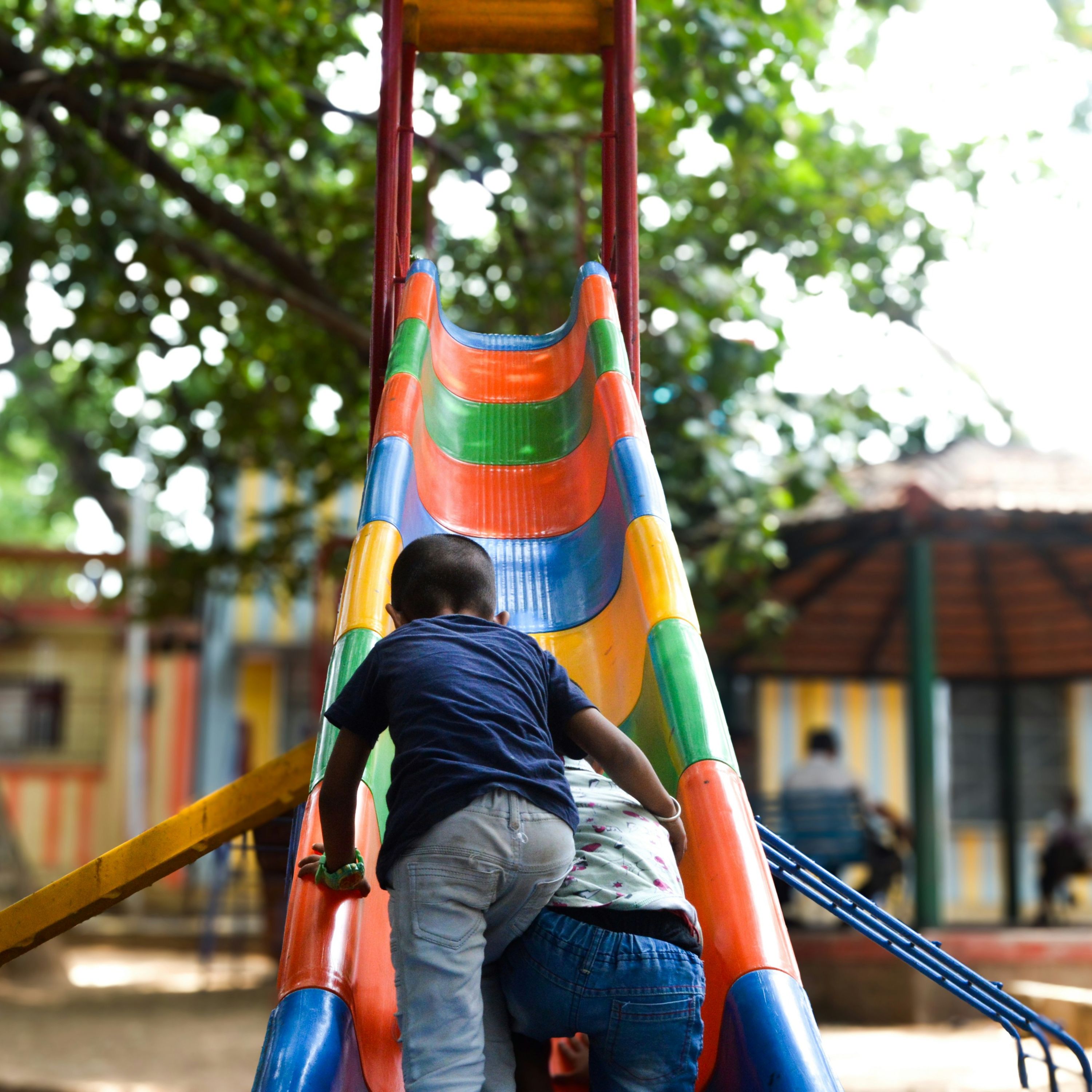
Children's imaginative play is not just fantasy; it's the physical practice of actualizing an idea. They take a dream and immediately act it out. Adults, in contrast, often let big ideas remain as fantasies. We need to rebuild this atrophied 'muscle' of putting our dreams on our feet.

The show's producers gave the creative team immense freedom to "make stuff up," but every idea had to align with a thick binder of educational objectives. This structure channeled chaotic creativity into effective learning content, proving that constraints can amplify creativity rather than stifle it.

According to the "Darwinian niche partitioning hypothesis," younger siblings are often more rebellious and creative as they must differentiate themselves to gain parental investment. With established roles taken by older siblings, they are forced to explore unconventional niches, fostering out-of-the-box thinking.

Author Shannon Hale champions making "bad art" to foster genuine creativity. The act of creating, regardless of the output's quality, develops the brain and nurtures a love for the process. This is especially vital now, as AI threatens to replace creative opportunities for developing minds.

Citing a NASA study, Andrew Robertson argues that creativity plummets as we age due to pressure to conform. The very operational excellence that makes companies successful—process, discipline, and compliance—inadvertently stifles the creative potential that is nearly universal in children.

When adults intervene in children's unstructured play to "teach" them the "right" way to do things, they often strip the activity of its imaginative joy and engagement. This transforms a creative game into a boring, adult-led lesson, diminishing learning and happiness.
Improving imagination is less like a painter adding to a blank canvas and more like a sculptor removing material. The primary task is to forget expected answers and consensus reality. This subtractive process uncovers the truly novel ideas that are otherwise obscured by convention.
![Kevin Kelly - Be Generous and Unique - [Invest Like the Best, CLASSICS] thumbnail](https://megaphone.imgix.net/podcasts/9e957b1c-b60e-11f0-8fae-c3720ebd149d/image/fe443cb4b0d58f10dbccb1cf43a6abe2.jpg?ixlib=rails-4.3.1&max-w=3000&max-h=3000&fit=crop&auto=format,compress)