Get your free personalized podcast brief
We scan new podcasts and send you the top 5 insights daily.
Paul Graham's "founder mode" (direct control) becomes impractical at scale. However, founders must recognize moments—like major pivots or acquisitions—where their unique combination of motivation, decision power, and market intuition is required to take actions that a delegated leader is not empowered to do.

Related Insights
Amplitude's CEO describes the painful transition from founder (running to the hardest problem) to large-company executive. The latter role requires embracing hierarchy, saying "no" to most things, and managing through leverage rather than direct contribution—a skill set many founders resist and fail to learn.
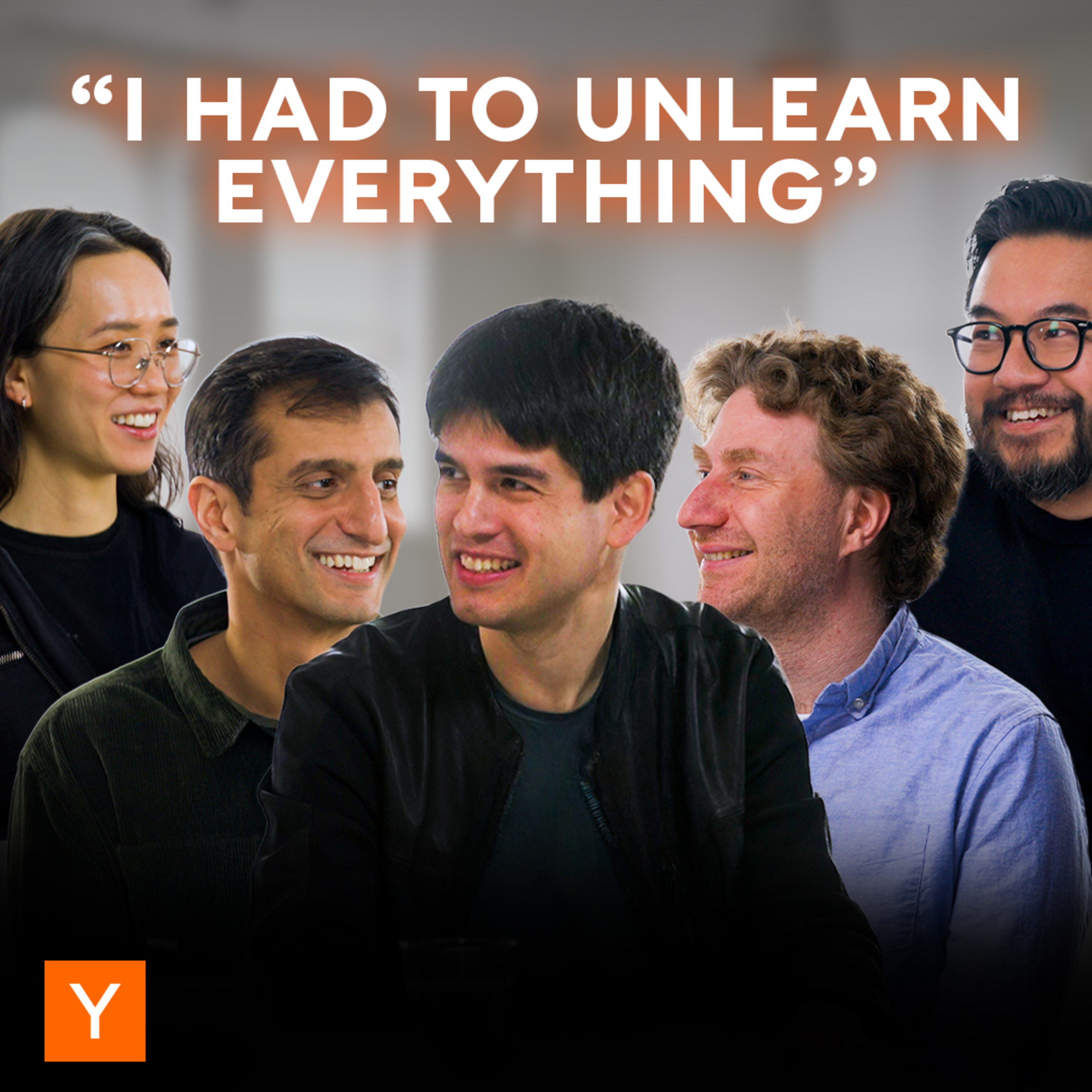
While founder-led accountability is crucial, it's often misinterpreted. Leaders adopt a caricature of decisiveness, like mimicking Steve Jobs' harshness, which leads to micromanagement and alienates talented individual contributors who are key to scaling.

The 'Founder Mode' concept, meant to encourage founders to reclaim decision-making, is often misinterpreted as a reason to avoid hiring senior executives. Ben Horowitz warns this is dangerous, as scaling functions like a global sales team requires deep experience that can't be learned on the founder's nickel.

A third model exists beyond founder-CEO or professional CEO. The founder acts as chairman, deeply involved in vision, strategy, and product (their "zone of genius"), while hiring a CEO for operations. This structure allows founders to maximize their unique value without being bogged down by management duties.
True innovation cannot be delegated to new hires. The core founding team, with its deep context and high-pressure tolerance, must personally lead and execute critical new ventures. Success comes from pointing the "Eye of Sauron" of the original team at the next big problem.

The old model of replacing a founder with a 'professional CEO' is often flawed because it removes irreplaceable product insight. The modern approach is for founders to design their executive team to complement their unique strengths, ensuring they stay engaged for the long journey.

The co-founder identifies a key tension in scaling: transitioning from a founder-led, convention-defying startup to an expert-driven organization. The daily challenge becomes deciding when to push back with contrarian intuition versus trusting the team's best-practice recommendations.

The very traits that help a founder succeed initially—doing everything themselves, obsessing over details—become bottlenecks to growth. To scale, founders must abandon the tools that got them started and adopt new ones like delegation and trust.

Founders remain long after hired executives depart, inheriting the outcomes of past choices. This long-term ownership is a powerful justification for founders to stay deeply involved in key decisions, trusting their unique context over an expert's resume.

Hired managers optimize existing models, but founders are willing to reinvent the business entirely. During disruptive eras, like the current AI shift, founders are more likely to make the bold, necessary pivots to survive and thrive, while professional CEOs will be too conservative.
