Get your free personalized podcast brief
We scan new podcasts and send you the top 5 insights daily.
Hired managers optimize existing models, but founders are willing to reinvent the business entirely. During disruptive eras, like the current AI shift, founders are more likely to make the bold, necessary pivots to survive and thrive, while professional CEOs will be too conservative.

Related Insights
Major platform shifts like AI reward founders who are not burdened by historical context or "how things have been done before." This creates an environment where young, inexperienced teams working with high intensity (e.g., "9-9-6") can out-innovate incumbents with existing business models.
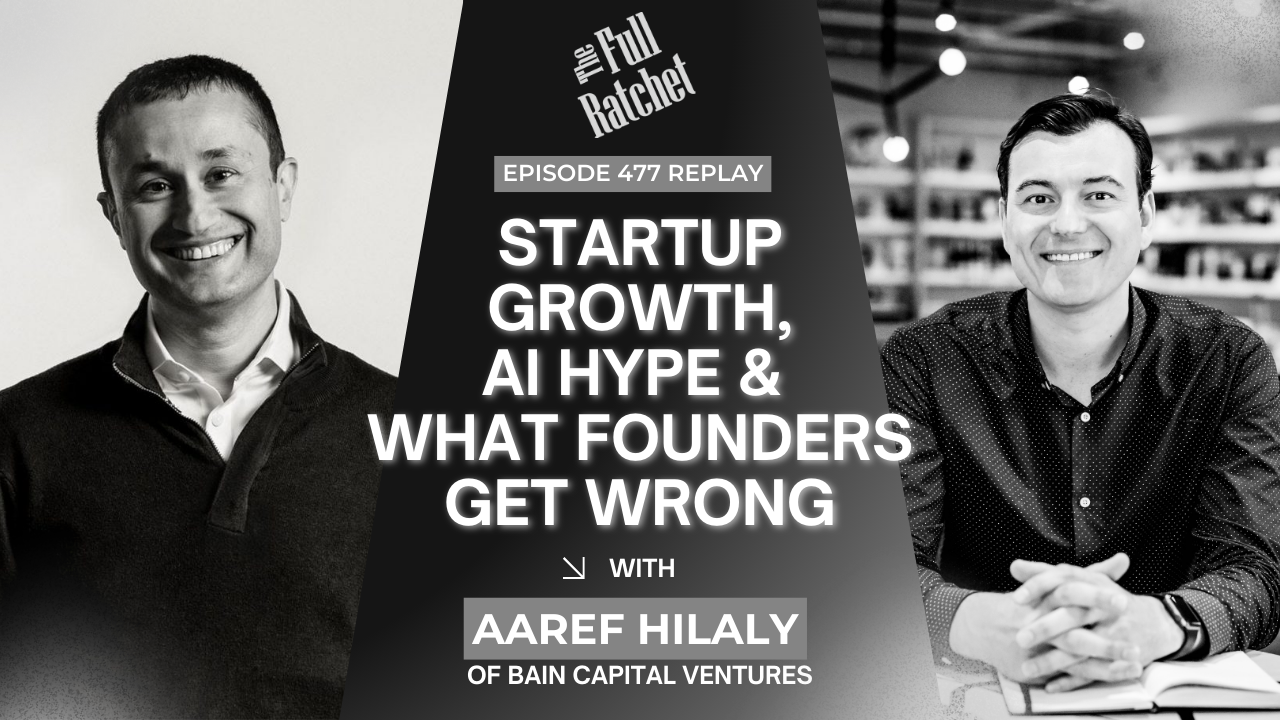
Professional managers excel at managing a slow decline. Creating extraordinary outcomes requires a "refounding" with a founder-mode leader who occupies the "founder seat" to apply the necessary pressure for fundamental change, as seen with Microsoft's turnaround.

The ideal founder profile for vertical software has shifted. Previously, VCs backed deep domain experts from a specific industry. Now, with the rapid pace of AI model development, the advantage goes to scrappy, high-hustle teams whose ability to quickly productize the latest AI advancements is more valuable than static industry experience.

The recent trend of founder-CEOs returning to lead their companies, like at Workday, isn't about general management. It signals a crisis where the core product roadmap needs a fundamental AI-driven reinvention, a task that requires the founder's specific, deep historical knowledge.

Managerial companies derive legitimacy from "the plan," creating enormous inertia against change. In founder-led companies, legitimacy is vested in the founder as an individual. This is their key structural advantage, allowing the entire organization to pivot on a dime based on conviction.

The ideal founder profile for AI startups is shifting. Previously, deep domain expertise was paramount. Now, the winning archetype is a scrappy, fast-moving team that can keep pace with rapid model development and quickly productize the latest advancements, outpacing slower, more established experts in their respective fields.

In rapidly changing industries, it's more effective to teach a founder management skills than to expect a professional manager to develop a founder's innovative mindset. The managerial class is optimized for stability, not adaptation, making them vulnerable to disruption and unable to create new things.
Workday's CEO change reflects a broader trend: the belief that founder-technologists are essential for navigating the AI transition. Similar to leaders who guided cloud migrations at Microsoft and Adobe, these founders are being brought back to ensure companies invest correctly and 'cross the chasm' in a post-AI world.

Periods of intense technological disruption, like the current AI wave, destabilize established hierarchies and biases. This creates a unique opportunity for founders from non-traditional backgrounds who may be more resilient and can identify market needs overlooked by incumbents.
During major tech shifts like AI, founder-led growth-stage companies hold a unique advantage. They possess the resources, customer relationships, and product-market fit that new startups lack, while retaining the agility and founder-driven vision that large incumbents have often lost. This combination makes them the most likely winners in emerging AI-native markets.
