Get your free personalized podcast brief
We scan new podcasts and send you the top 5 insights daily.
Rather than viewing shocks as black swan events that change everything, Eos's founder sees them as catalysts that rapidly accelerate underlying, long-term trends. For example, COVID supercharged the pre-existing decline in business travel and the rise of domestic leisure, validating long-held theses.

Related Insights
Events like the TSA shutdown create massive, sudden demand for Clear, similar to Peloton's pandemic boom. This is a fleeting "one shot" moment. The challenge isn't just acquiring users but building lasting value to retain them after the crisis normalizes, a test many companies fail.

While the economic disruption from COVID saw a relatively quick bounce-back in employment, the changes brought by AI will be permanent. Many job functions and industries will not recover, representing a fundamental, one-way shift in the economy rather than a temporary downturn.

During a crisis, avoid the temptation to trade based on predictions of how events will unfold. Instead, use the market volatility to purchase pre-identified, resilient companies at better prices, accelerating your existing strategy rather than creating a reactive new one.

Substack's growth wasn't just a "COVID blip." Its continued success is driven by a fundamental shift in the economy of attention. As attention becomes our scarcest resource, we are more willing to pay to curate it with high-quality, trusted content.
Don't dismiss megatrends like demographics and technology as only long-term concerns. Research from Vanguard's Joe Davis shows these forces account for roughly 60% of quarter-to-quarter changes in per capita GDP growth and earnings yield, making them immediate drivers of the business cycle.

Instead of predicting specific companies, identify irreversible macro-trends, or "directional arrows of progress." Examples include the move towards higher energy density (carbohydrates to uranium) or more compact data storage (spinning drives to flash). Investing along these inevitable paths is a powerful strategy.
During COVID, the market priced Booking.com as if travel would never recover. The investment thesis was based on historical precedent (e.g., SARS) showing that travel disruptions are typically brief. This counter-consensus view on the duration of the downturn led to a highly profitable investment.

IBM's CEO found the COVID-19 pandemic made his corporate transformation 'much easier.' Widespread external disruption creates an environment where employees are more accepting of internal change, allowing leaders to implement difficult decisions in one year instead of three or four.
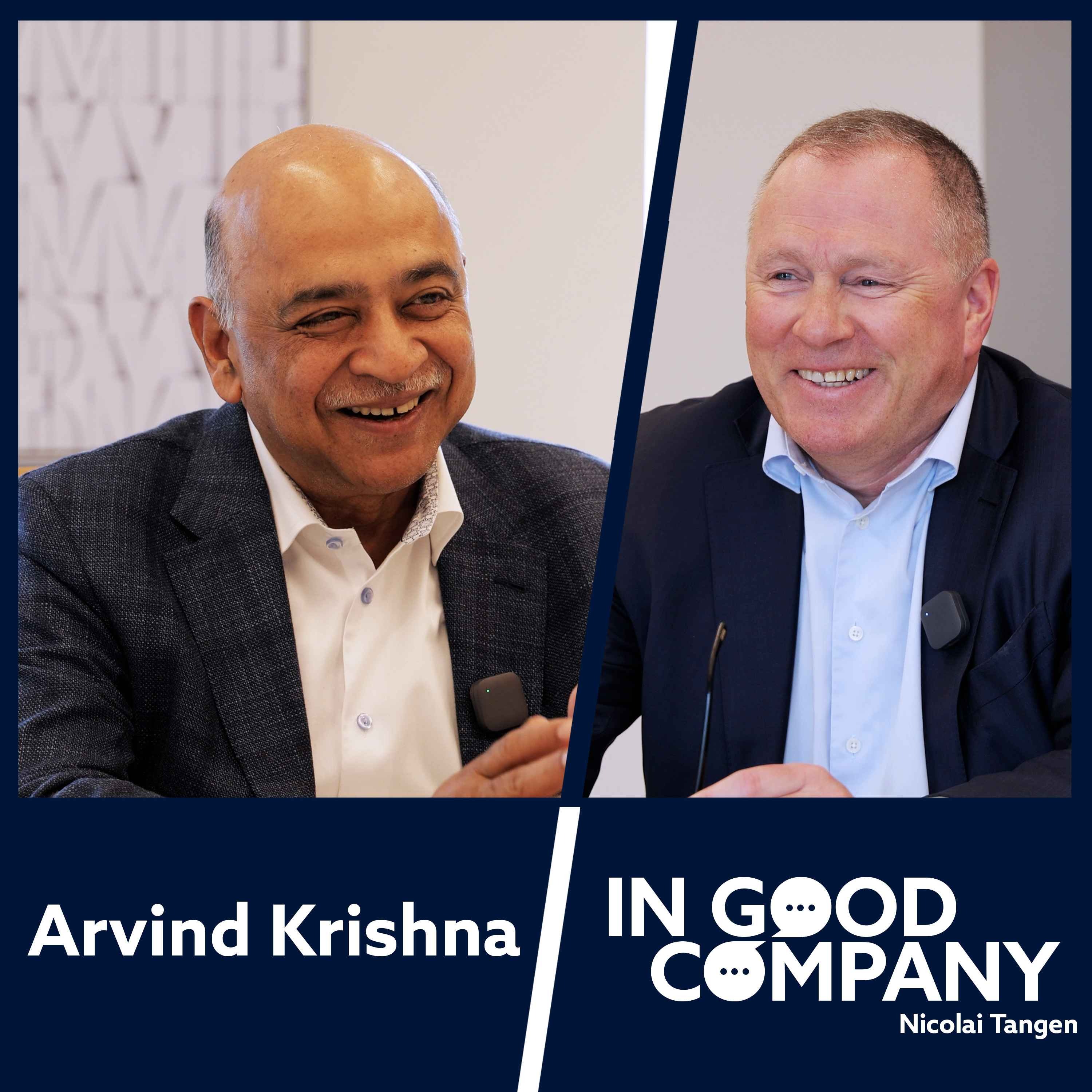
After facing COVID, the Ukraine war, and trade tensions, business leaders are more accustomed to instability. They are learning to maintain a long-term strategic focus and deploy capital despite short-term shocks, demonstrating a higher tolerance for risk than in previous eras.

Instead of predicting short-term outcomes, focus on macro trends that seem inevitable over a decade (e.g., more e-commerce, more 3D interaction). This framework, used by Tim Ferriss to invest in Shopify and by Roblox for mobile, helps identify high-potential areas and build with conviction.
