Get your free personalized podcast brief
We scan new podcasts and send you the top 5 insights daily.
After facing COVID, the Ukraine war, and trade tensions, business leaders are more accustomed to instability. They are learning to maintain a long-term strategic focus and deploy capital despite short-term shocks, demonstrating a higher tolerance for risk than in previous eras.

Related Insights
CEOs like Meta's Mark Zuckerberg are now driven by a "spiteful" backlash against the perceived inefficiencies and consensus-driven culture of 2021. This results in an aggressive, risk-tolerant leadership style, where they'd rather fail spectacularly pursuing a vision than be mediocre and safe.

The high rate of CEO replacements, highlighted by Disney's succession plan, is driven by burnout from navigating years of intense disruption. Boards are now prioritizing a new generation of leaders with the resilience and energy required for an increasingly chaotic business environment.
The era of stable, long-term planning is over. In a volatile environment, plans become obsolete quickly. The new leadership model is to ensure everyone deeply understands the company's direction and vision, empowering them to constantly adapt their tactics to reach the goal, rather than rigidly follow an outdated plan.
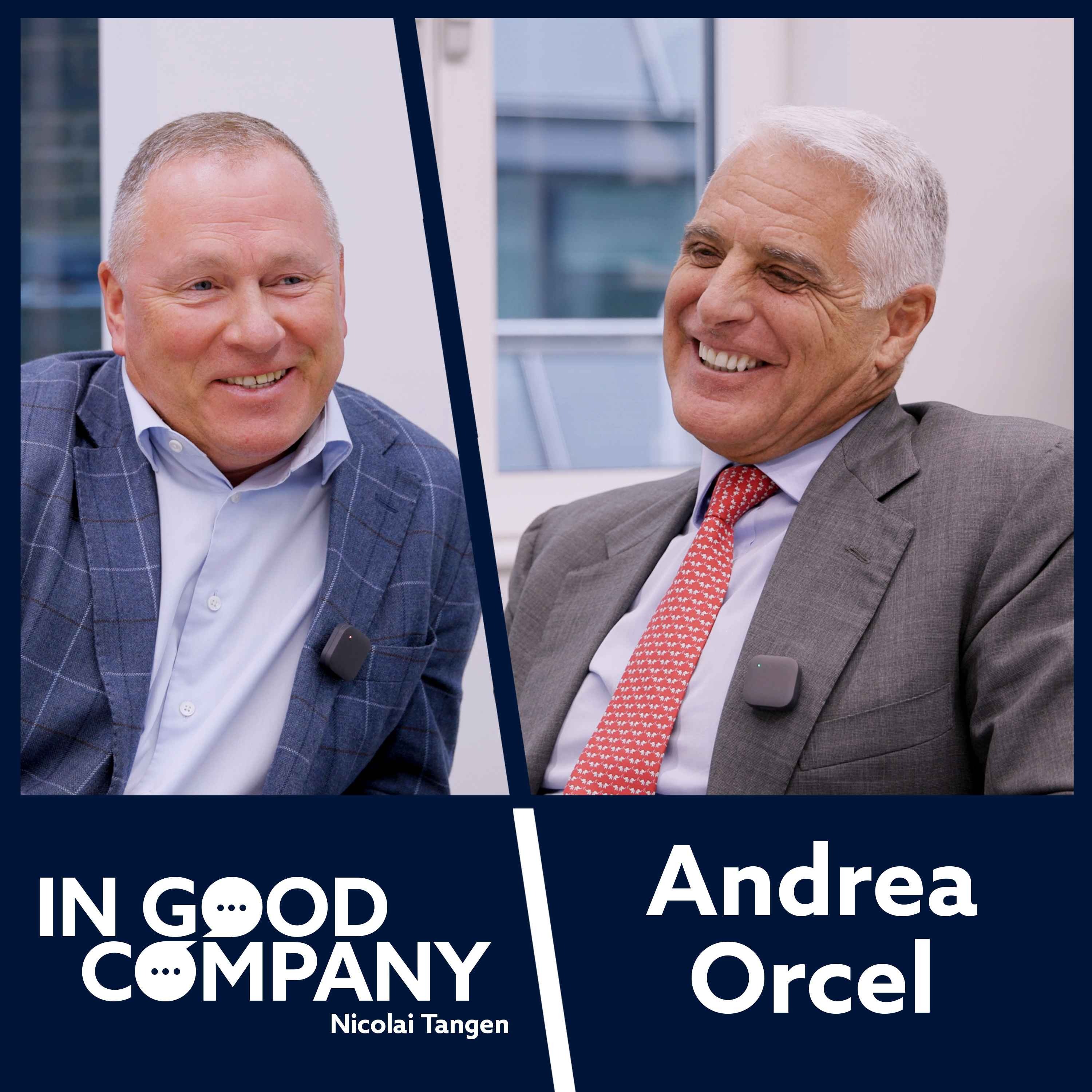
FanDuel CEO Amy Howe's experience managing Ticketmaster through COVID, where revenue dropped to zero, gave her a unique comfort with ambiguity. This resilience became a key asset for leading a high-growth, volatile company like FanDuel.

The ability to remain calm and steady through market cycles and intense pressure is a distinct, non-negotiable skill for senior leaders. The Lovesack CEO has seen many otherwise smart and talented people fail because they couldn't manage the psychological strain, making this resilience a key differentiator.
The traditional model of being either a wartime or peacetime leader is outdated. In today's volatile environment, leaders must be fluid, adapting their style day-to-day to handle both long-term strategic initiatives (peacetime) and immediate crises like unexpected tariffs (wartime).
David Solomon notes a split in CEO sentiment. While they are constructive on the economic and regulatory environment, they are concerned by inconsistent, "shotgun" policy approaches and political "noise." This uncertainty makes them more cautious, especially outside the U.S., despite underlying business optimism.
Despite geopolitical risk and economic uncertainty, M&A is surging because companies are executing on long-term (20-30 year) strategic repositioning plans conceived post-COVID. When capital markets open, even briefly, companies are quick to act on these dormant, high-conviction plans, ignoring near-term volatility.
Success at the leadership level requires a developed tolerance for pressure and uncertainty—a skill the CEO calls a 'stomach' for it. This resilience is a distinct capability, and its absence can cause even the most intelligent and talented individuals to fail under pressure, making it a crucial trait for high-stakes roles.
Shaped by personal experiences with political instability, Swiss Re's CEO advocates for 'strategic patience' in business. Instead of reacting impulsively to daily changes and uncertainties, he takes a step back to analyze the situation's broader implications. This deliberate, non-panicked approach is crucial for long-term decision-making in a constantly shifting world.
