Get your free personalized podcast brief
We scan new podcasts and send you the top 5 insights daily.
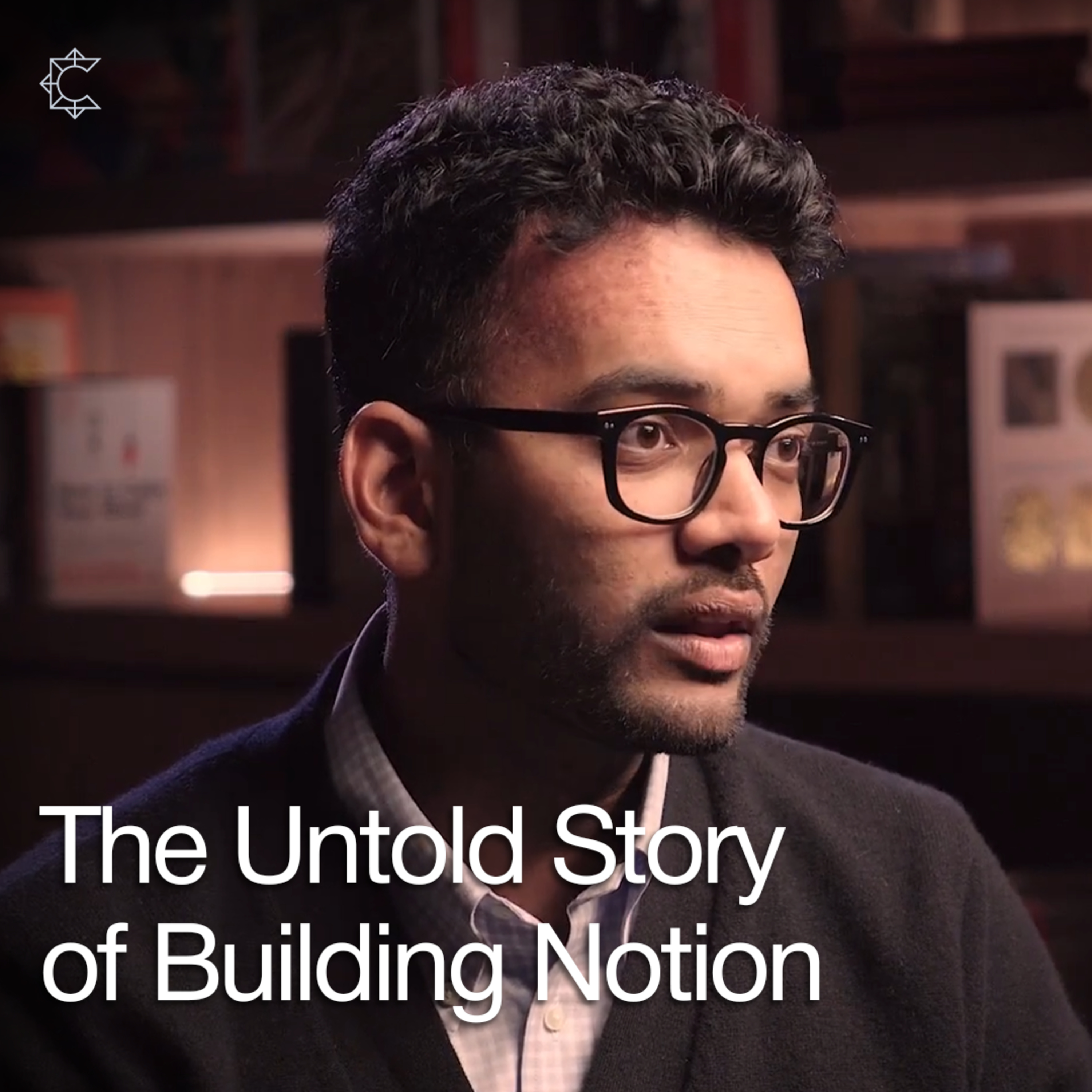
Pulse's initial value proposition—reading news on a phone—became obsolete. The new, more valuable problem was content personalization. This pivot in understanding that user identity and network were more valuable than content aggregation drove the strategic acquisition by LinkedIn, which possessed that exact data.
Related Insights
BroBible initially launched as a message board aiming to be a "brocial network." They quickly pivoted to a blog, realizing the real traffic and monetization opportunities were in publishing and editorial content, not in trying to build a niche social community from scratch.

Pulse isn't just a feature; it's a strategic move. By proactively delivering personalized updates from chats and connected apps, OpenAI is building a deep user knowledge graph. This transforms ChatGPT from a reactive tool into a proactive assistant, laying the groundwork for autonomous agents and targeted ads.

Large media companies are slow to adopt new platforms like Substack. However, once one major player makes a move (e.g., Bloomberg launching Substacks), it triggers a "fast follow" reaction from competitors. This predictable herd mentality creates strategic windows for creators on those platforms to pursue acquisitions.
![Media M&A - [Business Breakdowns, EP.230] thumbnail](https://megaphone.imgix.net/podcasts/8404be2a-a3c6-11f0-9d01-7b00b28a9d50/image/9a48597af1149c3b024e8d2f7327aa89.jpg?ixlib=rails-4.3.1&max-w=3000&max-h=3000&fit=crop&auto=format,compress)
The value of a large, pre-existing audience is decreasing. Powerful platform algorithms are becoming so effective at identifying and distributing high-quality content that a new creator with great material can get significant reach without an established following. This levels the playing field and reduces the incumbent advantage.
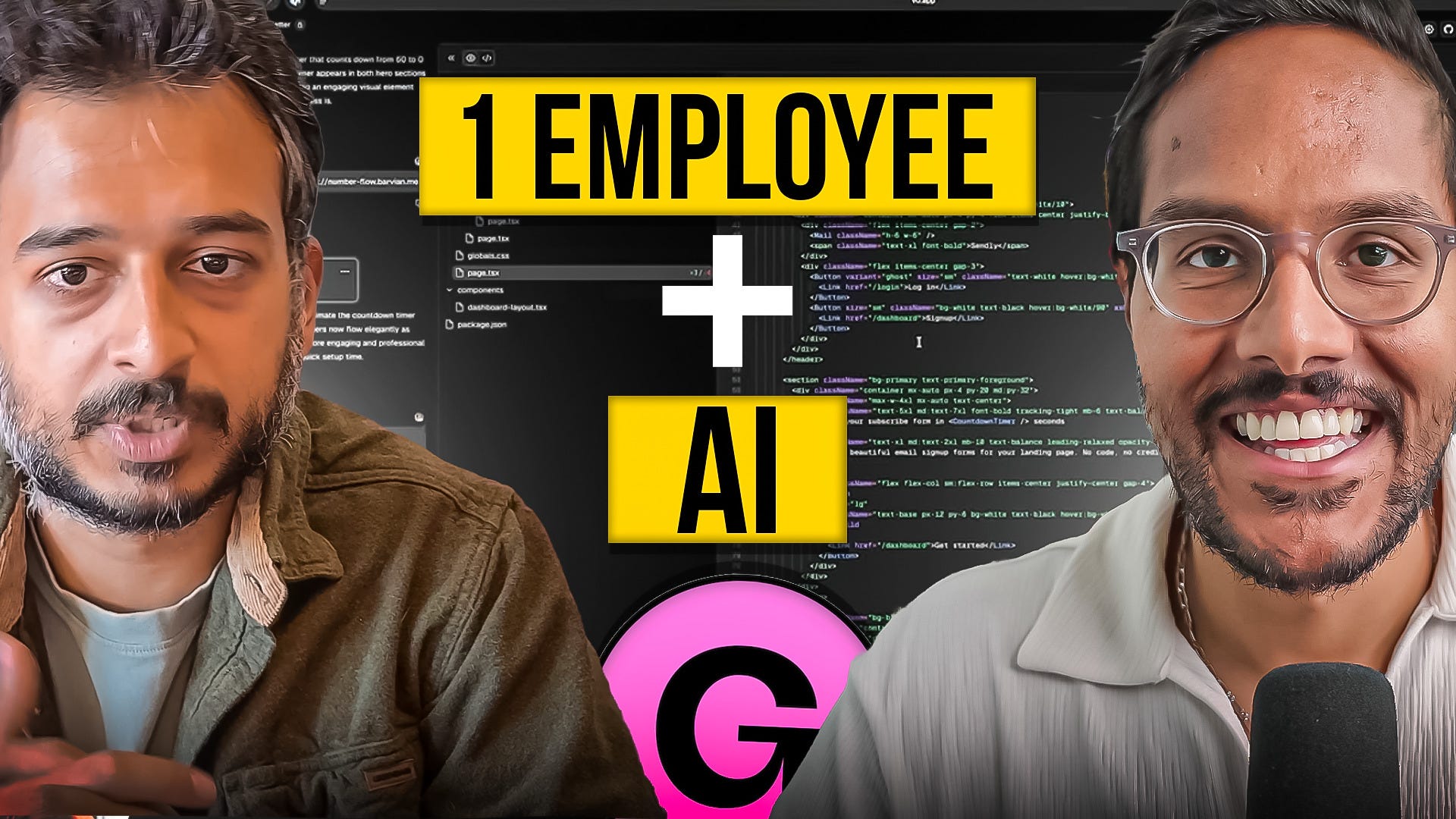
Rather than making an abrupt turn, Sure managed its pivot from a B2C app to a B2B platform gradually. They kept the original mobile app running while they built and validated the new B2B distribution model, only sunsetting the app once the new strategy proved viable and began to ramp up.

The public story of an acquisition often focuses on strategic synergy. For Pulse, a key private driver was founder burnout. The co-founders, overwhelmed with operational tasks instead of product work, independently decided on a sale price before even starting fundraising talks, highlighting the human cost of scaling.
The context in which content is consumed matters. Users browse LinkedIn with a professional and business-oriented mindset, making them far more receptive to listings, deals, and industry insights than when they are on entertainment- or family-focused platforms.

When Slack launched a competing feature, Polly realized being a single-platform app was an existential threat. They survived by expanding to Teams, Zoom, and Google Meet, transforming from a 'Slack poll app' into a multi-surface engagement platform, thereby de-risking their business.

Massive M&A deals for legacy media are backward-looking financial transactions based on past earnings. The truly transformative acquisitions (like Facebook buying Instagram) are smaller, forward-looking bets on future trends like user-generated content.