Get your free personalized podcast brief
We scan new podcasts and send you the top 5 insights daily.
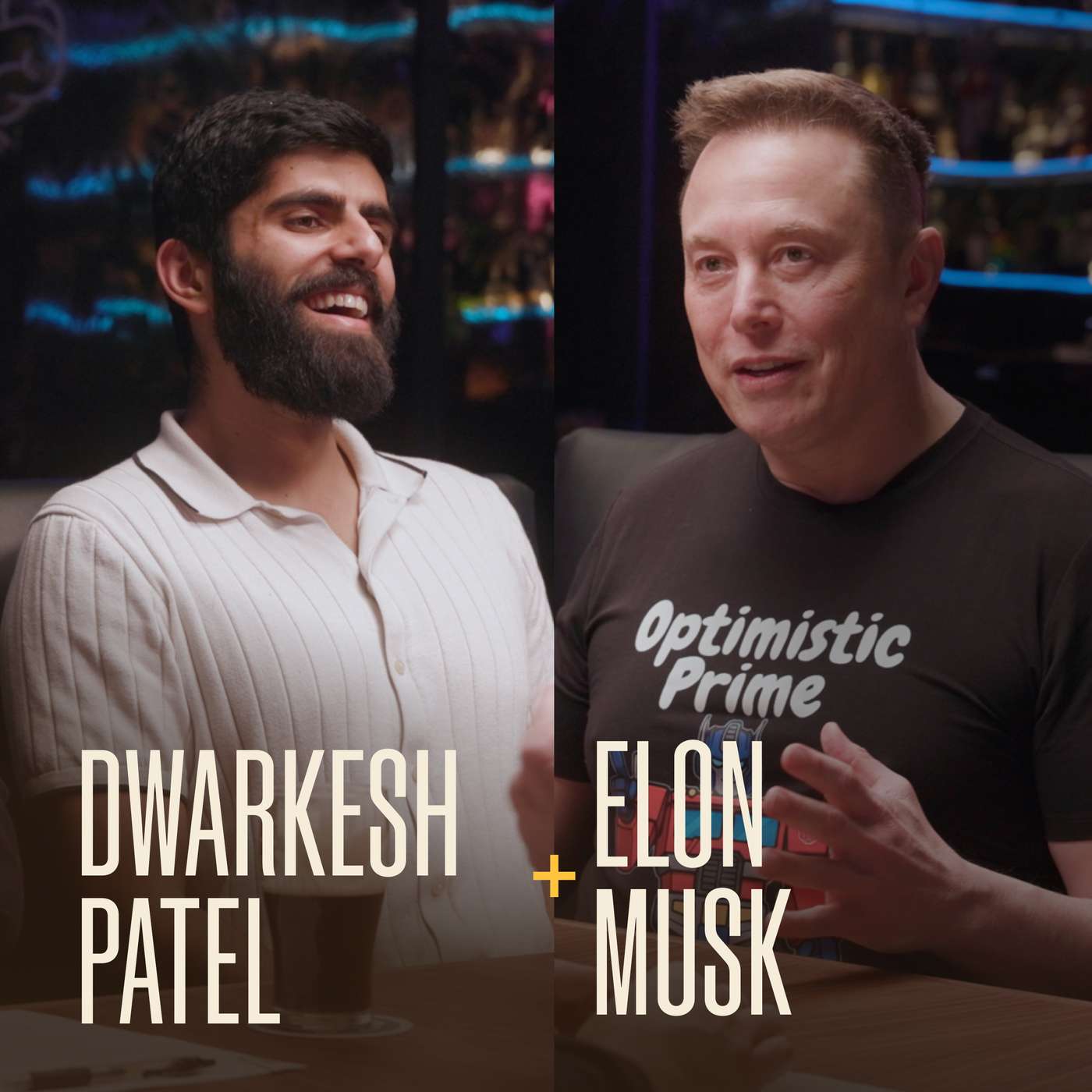
Unlike the competitive LLM market, the American humanoid robotics industry is considered fragile. It requires a "massive hammer of capital and will," exemplified by Elon Musk's efforts at Tesla, to build the complex supply chains and force the technology into existence. Without such a champion, the industry might not materialize domestically.

Related Insights
Beijing is replicating its successful electric vehicle strategy to win the humanoid robot race. The government is showering over 140 companies with $26B in funds, free land, and guaranteed early adoption by state-owned enterprises, creating a formidable industrial ecosystem.

The robotics sector is poised for a hype cycle collapse as companies inevitably miss ambitious timelines. This environment favors incumbents like Tesla and Waymo, who have deep capital reserves and manufacturing expertise, mirroring the evolution of the self-driving car industry.

By acquiring robotics company Pollen, Hugging Face is creating an open-source hardware and software ecosystem. This serves as a critical competitive check against the closed, proprietary humanoid robot platforms being developed by giants like Tesla and Figure, preventing a single entity from monopolizing the future of robotics.
Elon Musk's Optimus project is predicted to become history's most successful product, overshadowing Tesla's automotive achievements. This suggests investors should evaluate Tesla as a robotics and AI company, not just a car manufacturer, for long-term growth.
The decision to end production of iconic Tesla models is a strategic move to retool manufacturing capacity for Optimus humanoid robots. This action supports Musk's larger vision of a "real-world AI flywheel" integrating data and hardware from Tesla, SpaceX, and xAI.

The interview suggests a grand, unified vision connecting Musk's major companies. Tesla's humanoid robots are intended to be the "physical instantiation" of AI intelligence, while SpaceX will provide massive "orbital data centers" for compute capacity, creating a symbiotic hardware ecosystem for a future AI.
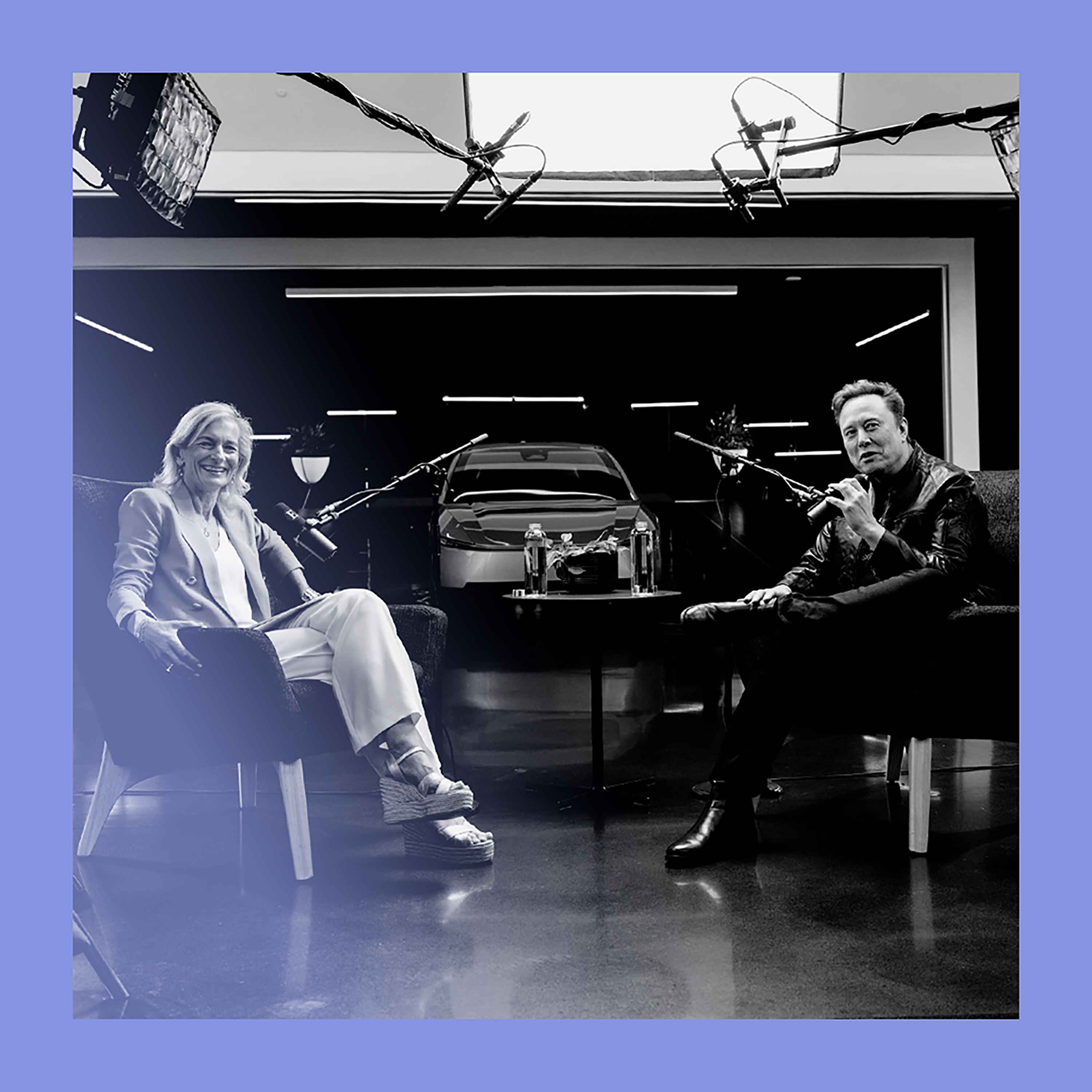
The U.S. may lead in foundational AI models, but its ability to mass-produce humanoid robots like Tesla's Optimus is critically dependent on Chinese suppliers for key components like roller screws and motors. This creates a significant strategic weakness in a potential manufacturing race.
According to a former top executive, Elon Musk believes the EV car business has been "won by China" and is making a hard pivot to focus Tesla's future on humanoid robots and autonomous vehicles. This strategic shift explains recent decisions like canceling the affordable car model and de-emphasizing the supercharger network.

China is applying the same state-led industrial strategy that built its dominant electric vehicle industry to win in humanoid robotics. By mobilizing massive state investment, leveraging its vast supply chain, and pushing for rapid commercialization, China is creating a formidable robotics sector that could outpace Western competitors.

Musk identifies three primary challenges for humanoid robots: real-world intelligence, manufacturing at scale, and the hand. He asserts that from an electromechanical standpoint, perfecting the human-like hand is more difficult than all other physical components combined, requiring custom-designed actuators from first principles.