Get your free personalized podcast brief
We scan new podcasts and send you the top 5 insights daily.
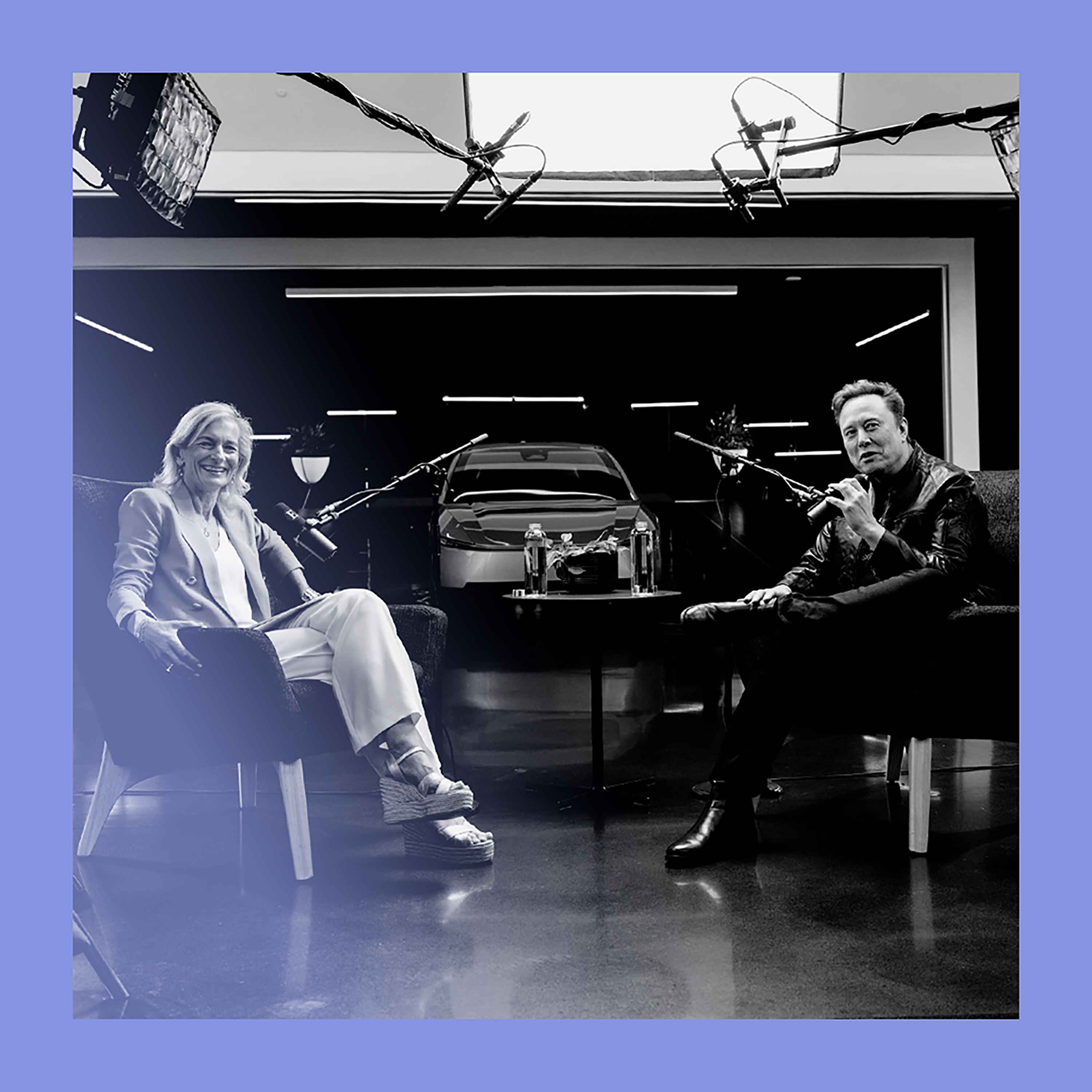
The interview suggests a grand, unified vision connecting Musk's major companies. Tesla's humanoid robots are intended to be the "physical instantiation" of AI intelligence, while SpaceX will provide massive "orbital data centers" for compute capacity, creating a symbiotic hardware ecosystem for a future AI.
Related Insights
The sequential mergers of X with xAI, then with SpaceX, and potentially Tesla, signal the formation of a single entity. This "Musk Industries" would leverage shared manufacturing learnings and AI development across cars, rockets, robots, and social networks, creating powerful synergies.
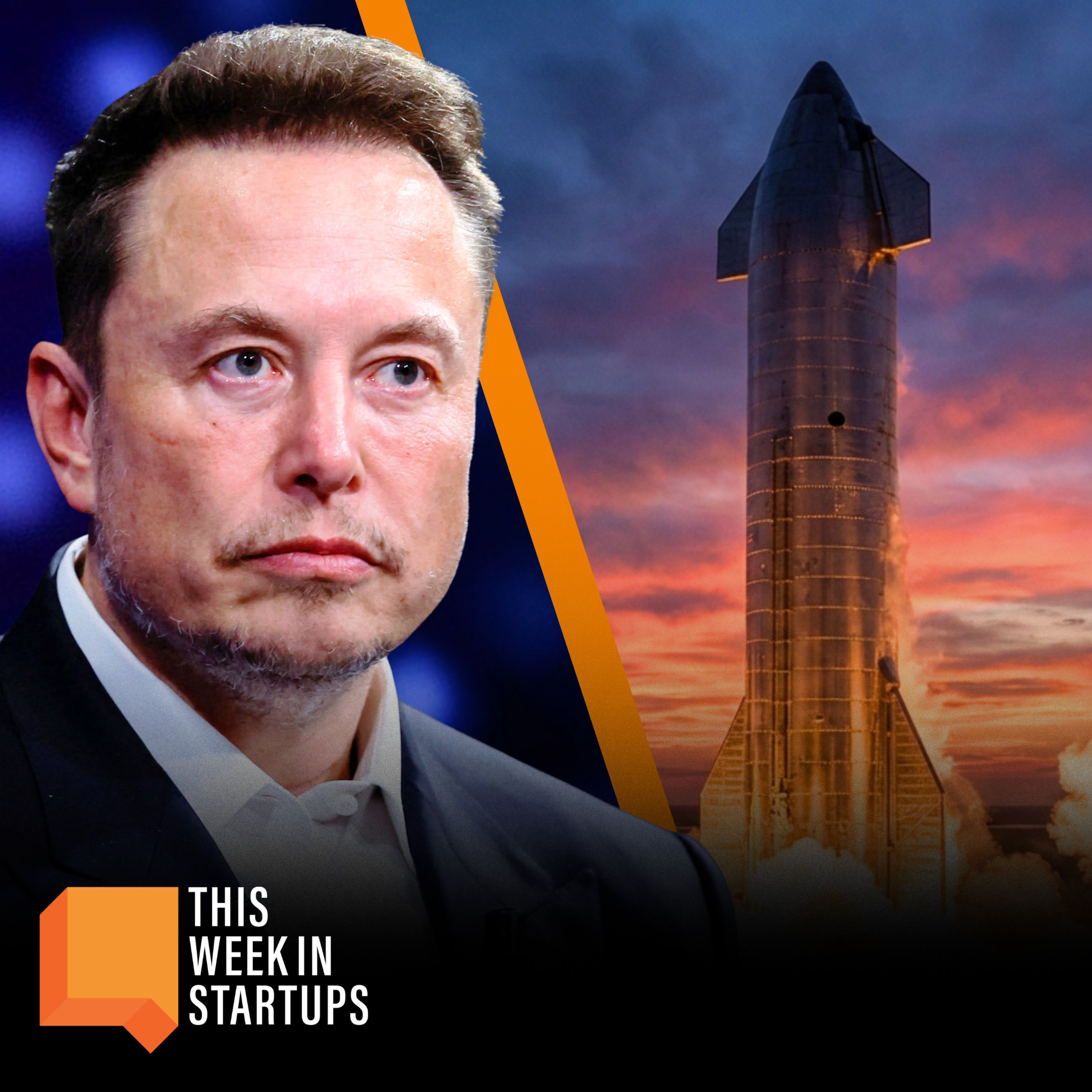
The biggest limiting factor for AI growth is energy production, which faces regulatory hurdles and physical limits on Earth. By moving data centers to space with solar power, Elon Musk aims to create an 'N of one' advantage, escaping terrestrial constraints to build a near-infinite compute infrastructure.

Musk's long-standing resistance to a SpaceX IPO has shifted due to the rise of AI. The massive capital raise is primarily aimed at establishing a network of space-based data centers, a strategic convergence of his space and AI ventures, rather than solely funding Mars colonization.

The merger combines SpaceX's rocketry with XAI's AI development. The official rationale is to build cost-effective, environmentally friendly data centers in space to meet the massive compute demands of future AI, a vision that leverages SpaceX's continually falling launch costs to make space-based supercomputing feasible.

Elon Musk's plan to merge SpaceX with xAI is a strategic move to build a vertically integrated powerhouse. This deal combines SpaceX's physical infrastructure, satellite network, and massive revenue from Starlink with xAI's artificial intelligence ambitions, creating a single entity that controls both the digital and physical layers of a new tech ecosystem.

Recognizing his Grok model lags competitors, Elon Musk has strategically shifted focus. By providing compute capacity from SpaceX's data centers to rival Anthropic, he is leveraging his strength in building massive physical infrastructure to become a critical "NeoCloud" provider, influencing the AI race through compute control rather than model performance.
Contrary to his long-held anti-IPO stance, Elon Musk is reportedly racing to take SpaceX public. The primary driver is the immense capital required to build AI data centers in space, a strategic pivot from Mars colonization to competing in the orbital computing infrastructure race against rivals like Jeff Bezos.

The merger between SpaceX and xAI is being justified by the strategic narrative of building "data centers in space." This positions SpaceX's satellite network not just as a communications provider but as the essential physical infrastructure for a future AI-driven world, providing a rationale for combining rockets and AI.
SpaceX is strategically shifting to become a major 'AI Compute as a Service' provider, leveraging its infrastructure to serve companies like Anthropic. This move positions SpaceX as a new 'Neo Cloud' competitor, fundamentally altering its IPO narrative from a collection of projects to a focused AI infrastructure player.
A key rationale for merging SpaceX and Elon Musk's XAI is to fund the development of data centers in orbit. The logic is that space provides free, extreme cooling and unlimited solar energy, solving two of the biggest cost and physical constraints of terrestrial AI infrastructure.
