Get your free personalized podcast brief
We scan new podcasts and send you the top 5 insights daily.
Honeywell's culture was intentionally evolved by each CEO. It shifted from a post-merger "one company mindset" to operational excellence, and now pivots to an externally-focused growth culture as margin expansion opportunities have diminished, demonstrating deliberate cultural engineering.

Related Insights
The shift to a product-led culture wasn't a formal launch. The CEO began by stating "we are product-led" aspirationally, then relentlessly reinforced this message in every meeting and report. This constant repetition, backed by operational changes, gradually and organically transformed the company's identity and behavior.

Rather than reacting to internal decline, Honeywell's decision to split into three companies was a strategic move to capitalize on two major external shifts: a strong aerospace cycle and the redefinition of automation by AI. This allowed each new entity to focus and scale more effectively.
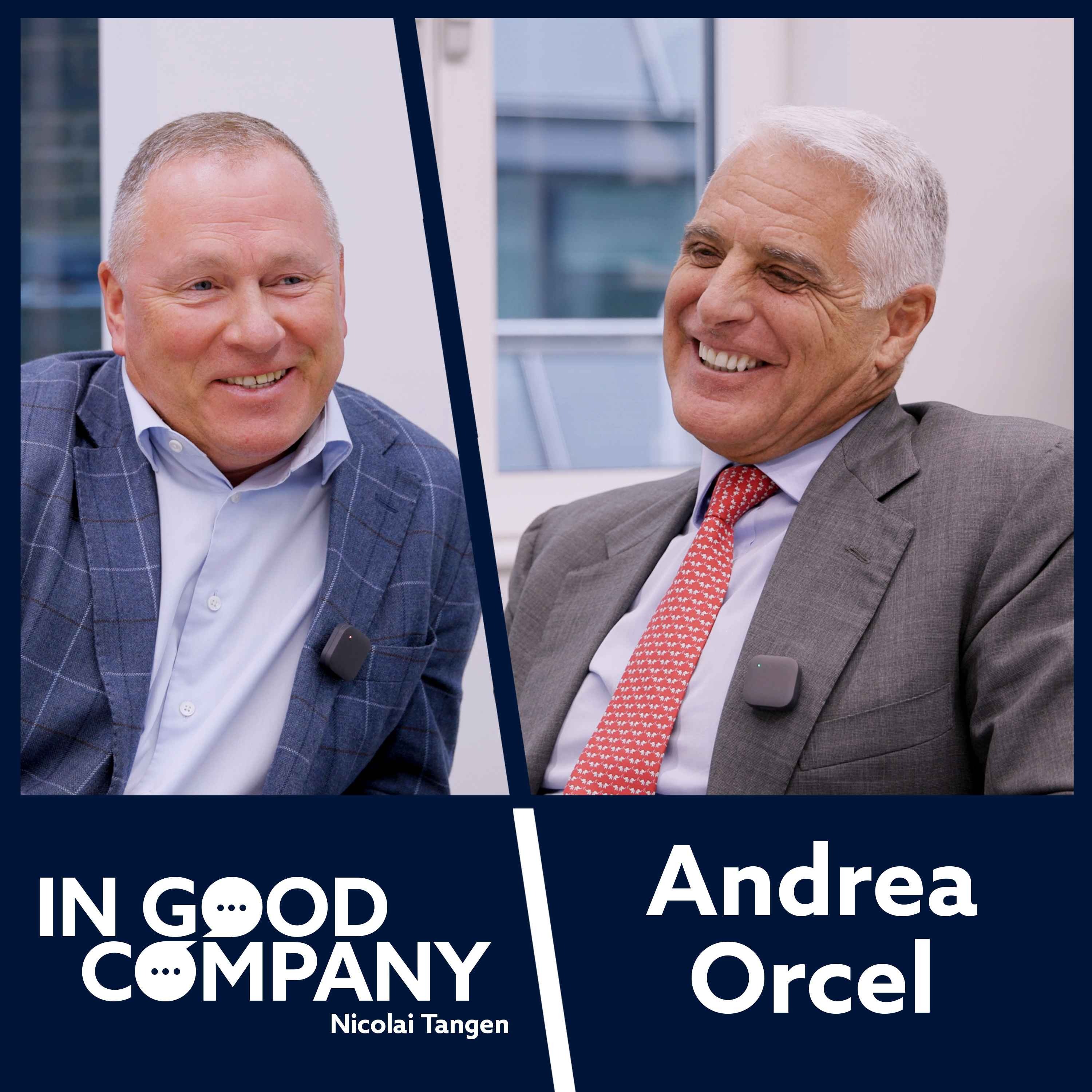
Radically changing a large company's culture is a decade-long endeavor. A faster, more effective approach is to identify the organization's existing positive cultural DNA. The UniCredit CEO interviewed over 20,000 employees to find their core values, then built his transformation strategy to amplify those strengths.
Successful culture change doesn't start with an announcement or a new mission statement. It begins when a leader takes a decisive action that is inconsistent with the old culture. These actions organically generate authentic stories that employees share, which in turn shifts the organization's narrative and values.
A biotech transitioning from a small, 'fit-for-purpose' R&D team to a large commercial organization gets a rare chance to create a new culture. Madrigal treated its rapid growth from ~100 to over 500 people as an opportunity to establish fresh core values for the newly-formed enterprise.

Instead of starting from a textbook, WCM developed its effective culture by identifying the negative traits of its original founder's regime—control, opacity, and stinginess—and deliberately doing the opposite. This 'inversion' method provides a powerful, practical template for cultural transformation.
![[REPLAY] Paul Black - Gratitude, Fun, and Growth Stocks (Capital Allocators, EP.51) thumbnail](https://static.libsyn.com/p/assets/f/b/7/6/fb76e1c8bfb69e8dd959afa2a1bf1c87/CA_Square_logo_light_background_6.26.24.jpg)
Pfizer's CEO ranks the elements of corporate success in a clear hierarchy: Culture > Leadership > Strategy > Structure. He believes the right culture is the ultimate lever because it uplifts the performance of every single employee in the organization, making it more impactful than even brilliant leaders or strategy.
CEO Zach Brown revived McLaren not by firing everyone, but by transforming a "toxic work environment" into one of transparency and collaboration. He kept many of the same long-term employees, showing that fixing culture can unlock the potential of an existing team, even in a high-stakes environment.

Culture is an emergent outcome of underlying organizational conditions. To change it, leaders must modify the environment, processes, and reward systems that shape employee beliefs and behaviors. The culture will then shift as a natural consequence.
Satya Nadella's transformation of Microsoft's culture from insular and "know-it-all" to a "learn-it-all" culture grounded in empathy was not just a PR move. This change in brand DNA, measurable in consumer perception, directly correlated with a tenfold increase in its market capitalization, proving culture's financial impact.