Get your free personalized podcast brief
We scan new podcasts and send you the top 5 insights daily.
Rather than reacting to internal decline, Honeywell's decision to split into three companies was a strategic move to capitalize on two major external shifts: a strong aerospace cycle and the redefinition of automation by AI. This allowed each new entity to focus and scale more effectively.

Related Insights
To navigate the unpredictable AI landscape, Snowflake's CEO dismantled its specialized, multi-layered structure that had slowed down iteration. This shift prioritized accountability and shorter engineer-to-customer feedback loops, recognizing that speed and adaptability now trump carefully laid out strategies.

The conglomerate model was effective when global expansion and offshore productivity were key value drivers. As those advantages matured, the winning model has shifted to combining deep specialization in a single sector with the global reach and processes of a large-scale corporation.
German defense firm Rheinmetall's market cap surged from $5B to $80B post-Ukraine invasion, mirroring the explosive growth of AI companies. This highlights how major geopolitical shifts can act as powerful, unexpected catalysts for traditional industries, creating immense value for well-positioned incumbents.
Industries with cost-plus contracts, oligopolies, and little incentive for progress (e.g., legacy aerospace, defense) are ripe for disruption. Their stagnant nature creates a massive opportunity for a new, vertically integrated company to innovate.
![Scott Nolan - SpaceX, Founders Fund, and Rebuilding American Uranium Enrichment - [Invest Like the Best, EP.467] thumbnail](https://megaphone.imgix.net/podcasts/5edee546-3776-11f1-b41d-a76759576e87/image/908aaa6e87baf2b3d364892c4b7f9fd8.jpg?ixlib=rails-4.3.1&max-w=3000&max-h=3000&fit=crop&auto=format,compress)
AI's primary impact on M&A isn't the direct acquisition of technology. Instead, the AI revolution reinforces the strategic belief that massive corporate scale is essential for future competitiveness. This belief fuels the appetite for large, strategic M&A to consolidate and grow.

Despite massive growth, Applovin executed a 50% layoff in some departments. The goal was to rebuild the organization for an AI-native future by eliminating roles susceptible to automation *before* it happened. This forced faster adoption of new technology and removed potential internal resistance to change.

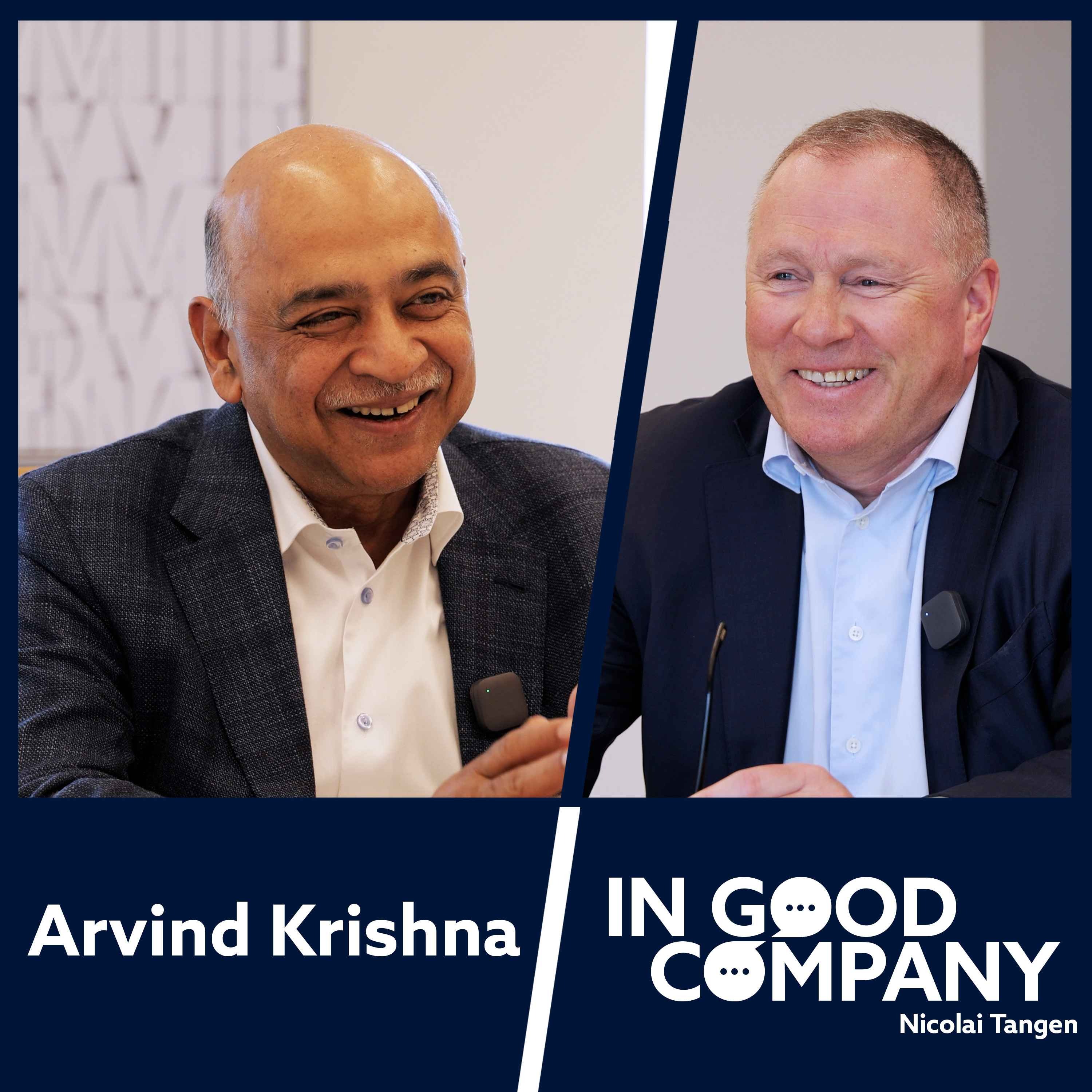
To reverse IBM's decline, Arvind Krishna spun off a unit shrinking at 5%. This strategic move reset the growth baseline, as keeping it would have required the remaining business to grow at an unsustainable 10% to hit a 5% overall target.
Honeywell's culture was intentionally evolved by each CEO. It shifted from a post-merger "one company mindset" to operational excellence, and now pivots to an externally-focused growth culture as margin expansion opportunities have diminished, demonstrating deliberate cultural engineering.
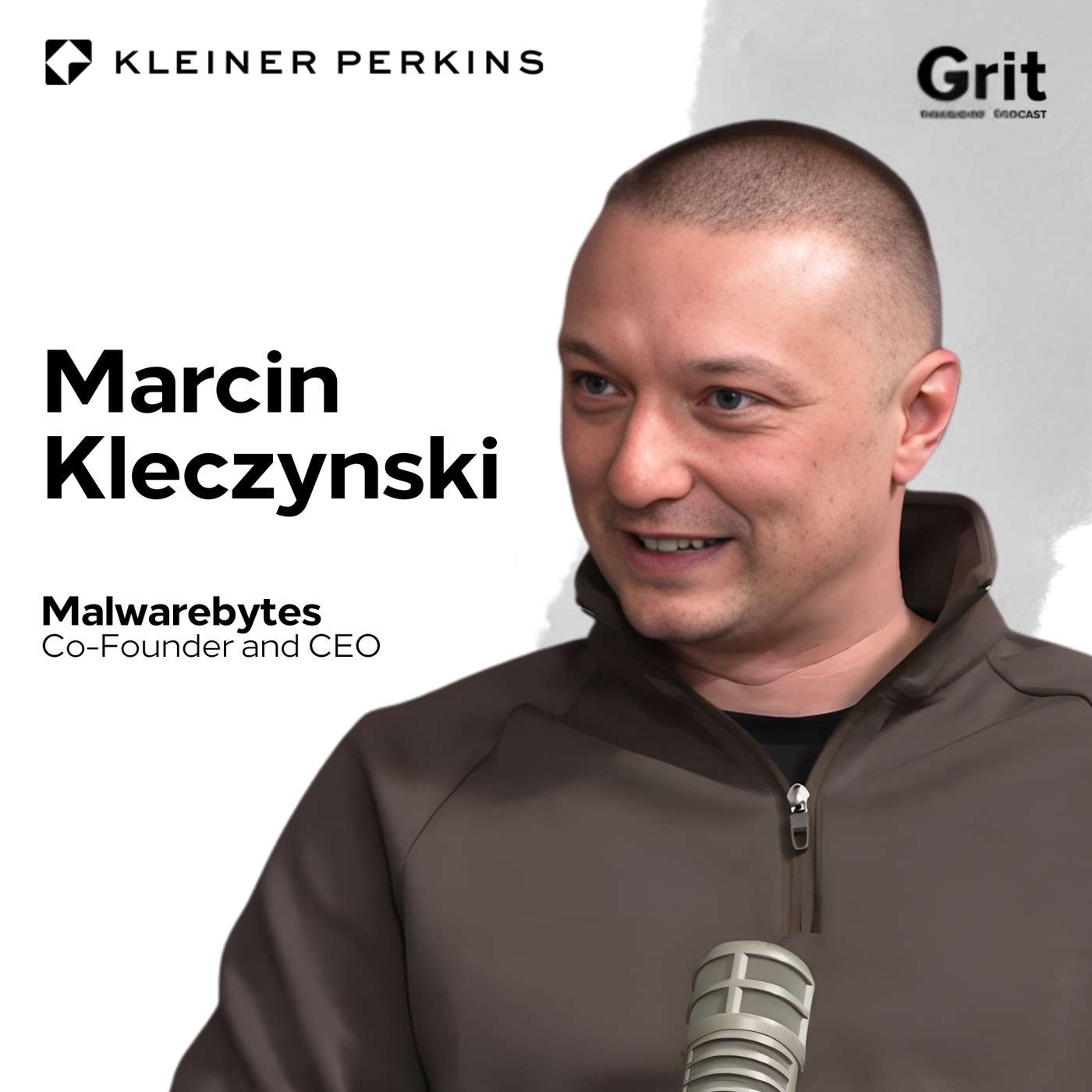
The company's growth stalled while trying to serve consumers and businesses with one team and brand. They made the difficult decision to separate into two distinct businesses, Malwarebytes (consumer) and ThreatDown (B2B), each with its own leadership, which revitalized focus, profitability, and growth.
When a SaaS company successfully launches a new AI product, it creates a second, conflicting business. It must manage the legacy SaaS model (seats, predictable metrics) alongside the new AI model (outcomes, unpredictable metrics), creating tension in strategy, branding, and operations.