Get your free personalized podcast brief
We scan new podcasts and send you the top 5 insights daily.
Radically changing a large company's culture is a decade-long endeavor. A faster, more effective approach is to identify the organization's existing positive cultural DNA. The UniCredit CEO interviewed over 20,000 employees to find their core values, then built his transformation strategy to amplify those strengths.

Related Insights
Instead of a long list of values, high-performing CEOs create an energized culture by defining and rigorously enforcing a minimal set of core values, such as "be competent and be kind." This simplicity makes them easy to remember, measure, and act upon decisively.

To drive transformation in a large organization, leaders must create a cultural movement rather than issuing top-down mandates. This involves creating a bold vision, empowering a community of 'changemakers,' and developing 'artifacts of change' like awards and new metrics to reinforce behaviors.

A leader's greatest insights often come from frontline employees, not the boardroom. Despite being an expert advisor for decades, the UniCredit CEO credits the bank's successful transformation to listening to "people in the branches." This humility uncovers the most effective strategies.
CEOs provide a curated view of their company's culture. To get an accurate picture, talk to people who have left the organization on good terms for an unfiltered perspective. Also, ask behavioral questions like 'What would you tell a friend to do to be successful here?' to uncover the real cultural DNA.
![[REPLAY] Paul Black - Gratitude, Fun, and Growth Stocks (Capital Allocators, EP.51) thumbnail](https://static.libsyn.com/p/assets/f/b/7/6/fb76e1c8bfb69e8dd959afa2a1bf1c87/CA_Square_logo_light_background_6.26.24.jpg)
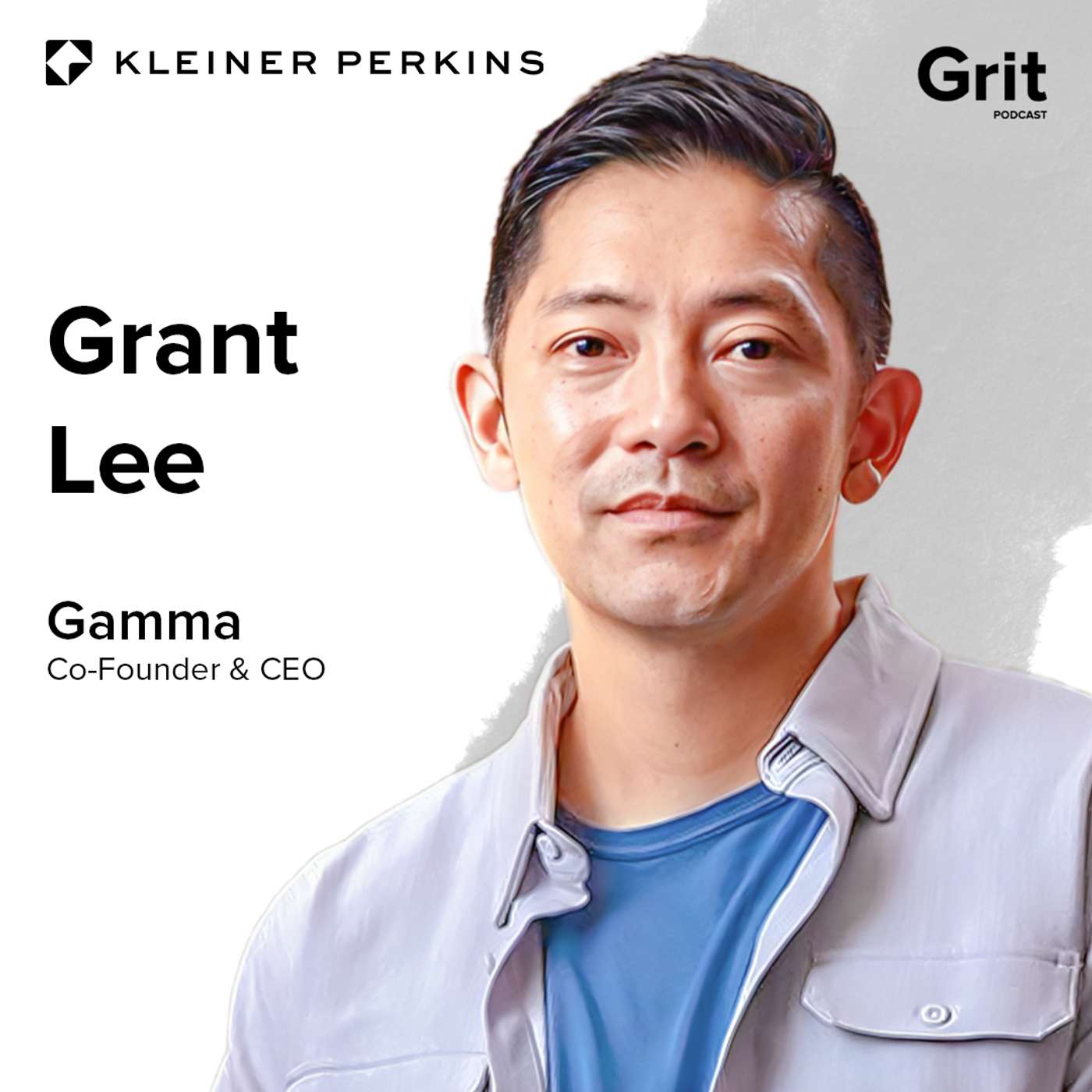
Instead of imposing top-down values, Gamma's CEO created a "notebook" of behaviors that team members organically praised in each other. These observed, authentic actions became the foundation of their culture deck, ensuring the values reflected reality.
The CEO of AT&T, a 40-year veteran, argues that an insider who understands the company's DNA can be more effective at evolving its culture than an external disruptor. This challenges the common belief that transformational change requires bringing in a complete outsider.

Roughly 80% of a company's culture is a direct extension of its founder's personality. Facebook reflects Mark Zuckerberg's hacker mindset; Google reflects its founders' academic roots. As a leader, your role isn't to change the culture but to articulate it and build systems that scale the founder's natural way of operating.

UniCredit's CEO advises young professionals that choosing the right organizational culture is more important than chasing prestige. He thrived at Merrill Lynch over the more prestigious Goldman Sachs because the environment better suited his character. Finding a company where you identify with the people is key.
Instead of asking "what culture do we want?", BBDO asked "what are the characteristics of people who do best here?". This approach reverse-engineers a culture based on proven success, creating a practical and authentic behavioral language for the entire organization.

To prevent values from being just words on a wall, create a running list of specific, concrete anecdotes where employees demonstrated a value in action. This makes the culture tangible, tracks adoption, highlights who is truly living the values, and provides a clear model for others to follow.
