Get your free personalized podcast brief
We scan new podcasts and send you the top 5 insights daily.
Instead of over-engineering processes, lean biotech startups should focus on identifying the absolute minimum requirements for regulatory acceptance. This "good enough" mindset simplifies development, allowing teams to complete essential work first, meet deliverables, and conserve precious resources by filling in less critical details later.

Related Insights
Early-stage biotechs with limited funds must balance the need for quick data with building a solid IND package. The solution is to run two tracks in parallel: one for immediate R&D experiments and another dedicated to the methodical, long-term planning required for regulatory submission.
MedTech startups often mistakenly adopt rigid processes for FDA compliance. The FDA doesn't dictate how you build software; it requires you to define your own robust development process and prove you follow it consistently. Focus on translating your existing workflows into the language of regulatory compliance, rather than changing them.

To avoid wasting limited funds, startups should first validate their target product profile with regulators and investors. This 'end in mind' approach allows them to work backward, defining the exact data packages needed and prioritizing only the experiments that directly contribute to that goal.
While a challenging fundraising market seems negative, it forces startups to operate with discipline. Unlike in frothy markets where companies expand based on hype, the current climate rewards tangible results. This compels a lean structure focused on high-value projects, creating a healthier long-term business model.

Contrary to typical agile discovery, projects in high-stakes environments benefit from starting with extremely strict processes and documentation. This establishes a compliant foundation. Flexibility can be introduced later, once core requirements and constraints are fully mastered, rather than starting loose and adding rigor.

Engineers must resist the urge to strive for technical perfection. The optimal solution is one that fits the current business context, whether that's preparing for a funding round, an acquisition, or a commercial launch. Knowing when 'good enough' is sufficient is a critical business skill.

Simple design is fast and cheap, and it starts with minimal requirements. By aggressively questioning every single requirement, even those that seem obvious, engineering teams can often delete constraints or find opportunities to reuse existing solutions, radically simplifying the design and accelerating the production timeline.

For small biotechs, the playbook for success extends beyond scientific discovery. It requires creativity and innovation in the operational process itself—finding efficient paths through regulatory checkpoints, securing non-traditional funding, and leveraging external resources to advance development with limited capital.

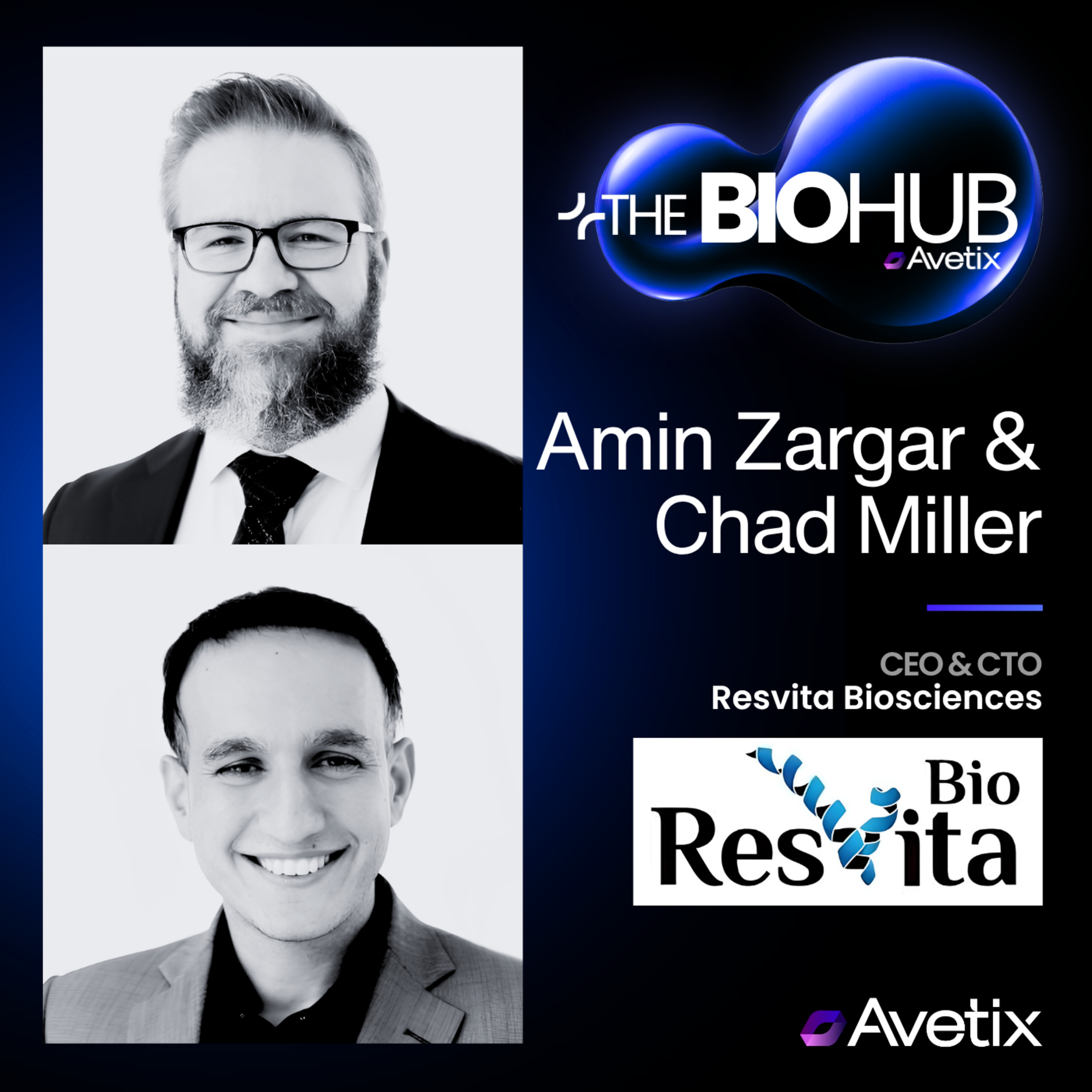
Resvita Bio's CEO notes that in academia, scientists conduct numerous experiments to prove a single point for publication. In a startup, the focus shifts to building momentum. Once a concept is proven, the team must immediately move to the next challenge rather than over-verifying with redundant experiments.
A company's development approach is dictated by its business model. Startups use simple, low-cost methods for quick proof-of-concept data. Large pharma invests in robust, high-throughput systems to de-risk processes for regulatory demands. CDMOs must be flexible to serve both.