Get your free personalized podcast brief
We scan new podcasts and send you the top 5 insights daily.
MedTech startups often mistakenly adopt rigid processes for FDA compliance. The FDA doesn't dictate how you build software; it requires you to define your own robust development process and prove you follow it consistently. Focus on translating your existing workflows into the language of regulatory compliance, rather than changing them.

Related Insights
Fears of regulatory hurdles for new manufacturing platforms may be overstated. Regulators, familiar with technologies like molecular farming for decades, prioritize the final product's purity, safety, and efficacy. The platform's novelty is secondary to robust scientific data proving the end product's quality.

Dealing with regulatory bodies can be terrifying, especially for a startup facing a recall. The key is to present objective facts, demonstrate a rigorous process, and make decisions that protect the product and patient. This builds trust and ensures long-term viability.

The most effective way to accelerate the MLR (Medical, Legal, Regulatory) approval process is not by focusing on the review stage itself. The primary leverage point is improving the quality and compliance of the content *before* it is submitted, which dramatically simplifies and speeds up all downstream steps.

Contrary to typical agile discovery, projects in high-stakes environments benefit from starting with extremely strict processes and documentation. This establishes a compliant foundation. Flexibility can be introduced later, once core requirements and constraints are fully mastered, rather than starting loose and adding rigor.

The CEO advises against trying to resolve all regulatory issues in a single FDA meeting. Instead, Solid Biosciences uses a series of three focused, one-hour meetings. Each meeting targets only a few key questions, allowing for in-depth discussion and ensuring concrete alignment on specific points before moving to the next stage.
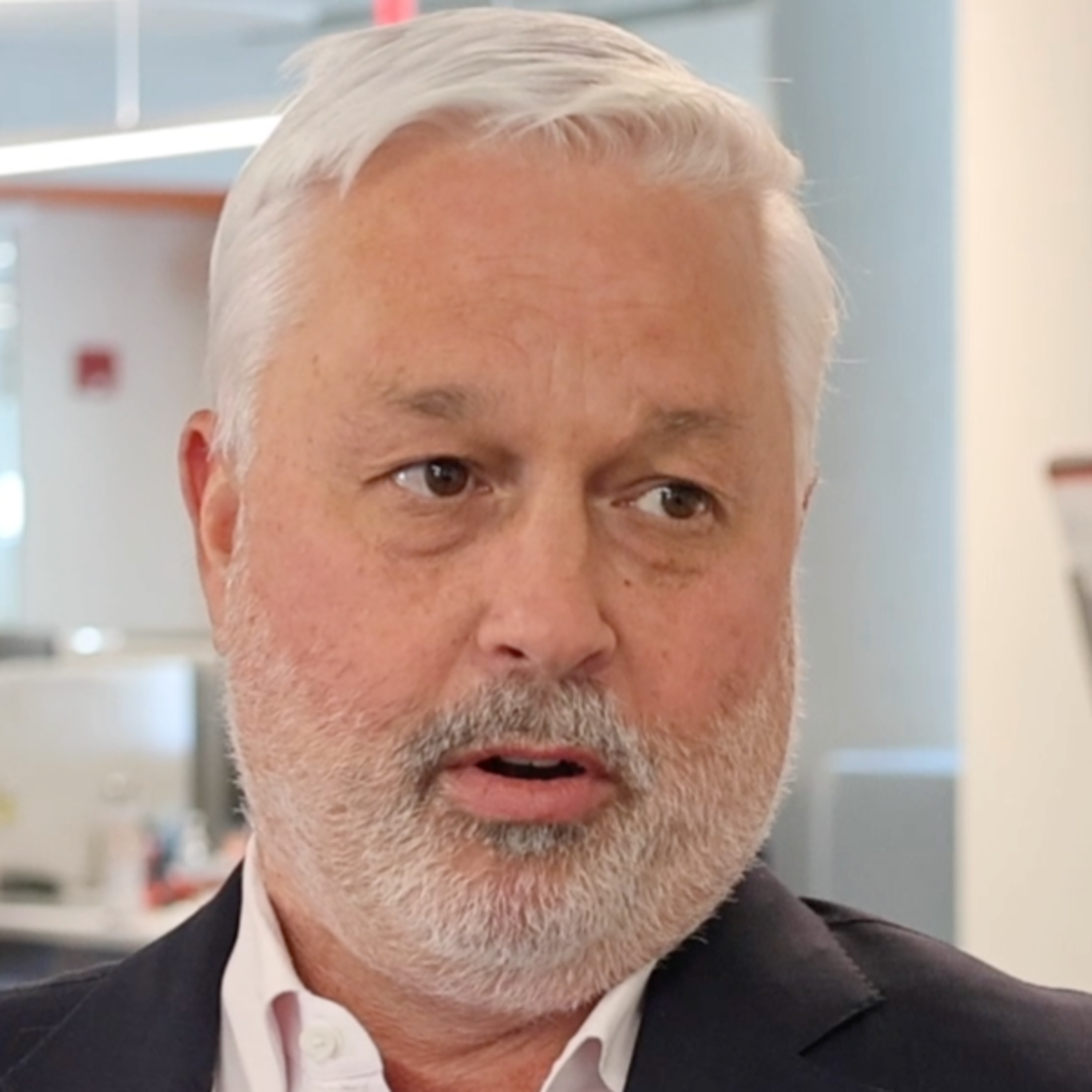
A key employee at Jared Bauer's first company taught him that agencies like the FDA are not enemies. By understanding their goal is to protect patients, he learned to partner with them and proactively address their concerns, a mindset he found highly effective.

In high-stakes regulated fields, documentation like FMEAs is not red tape. It's a critical tool for understanding failure modes, mitigating risks, and ensuring product viability and patient safety, especially for a startup where one recall can be fatal.
In high-stakes fields like medtech, the "fail fast" startup mantra is irresponsible. The goal should be to "learn fast" instead—maximizing learning cycles internally through research and simulation to de-risk products before they have real-world consequences for patient safety.

Companies often mistakenly expect their CDMO to fill strategic gaps. A CDMO's role is to execute the plan provided. Handing over an incomplete process is a 'wish,' not a tech transfer, and forces them to improvise in ways that may not align with your regulatory or commercial goals.
The long-standing industry norm of using three successful PPQ (Process Performance Qualification) batches for validation is no longer sufficient. Health authorities now expect companies to provide a robust justification for the number of batches chosen, shifting from a fixed rule to a risk-based approach.