Get your free personalized podcast brief
We scan new podcasts and send you the top 5 insights daily.
Aditya Agarwal's time at Oracle was valuable not for technical skills, but because it revealed his hatred for being rate-limited by organizational structures. This self-awareness—that great environments let individuals be limited only by themselves—was the key catalyst that pushed him into the startup world.
Related Insights
Contrary to popular belief, a resume from a top tech company can be a disadvantage when applying to startups. Hiring managers now often prefer candidates with freelance, agency, or startup backgrounds, fearing that big-company hires will bring a slow, process-heavy mindset incompatible with a nimble environment.

To successfully transition from a large company like Microsoft to a startup, proactively seek out "zero-to-one" projects and entrepreneurial environments within the larger organization. This builds the necessary full-stack business muscle before making the leap.

CEOs of ElevenLabs and Lovable argue their time at companies like Palantir and Google was essential for learning to build at scale, understand customer problems, and develop ambitious ideas. They doubt they would have succeeded starting right out of school.

Moving from a large corporation to a startup requires blending foundational knowledge of scaling processes with newfound resourcefulness and risk appetite. This transition builds a holistic business muscle, not just a product one, by forcing leaders to operate without endless resources or established brand trust.
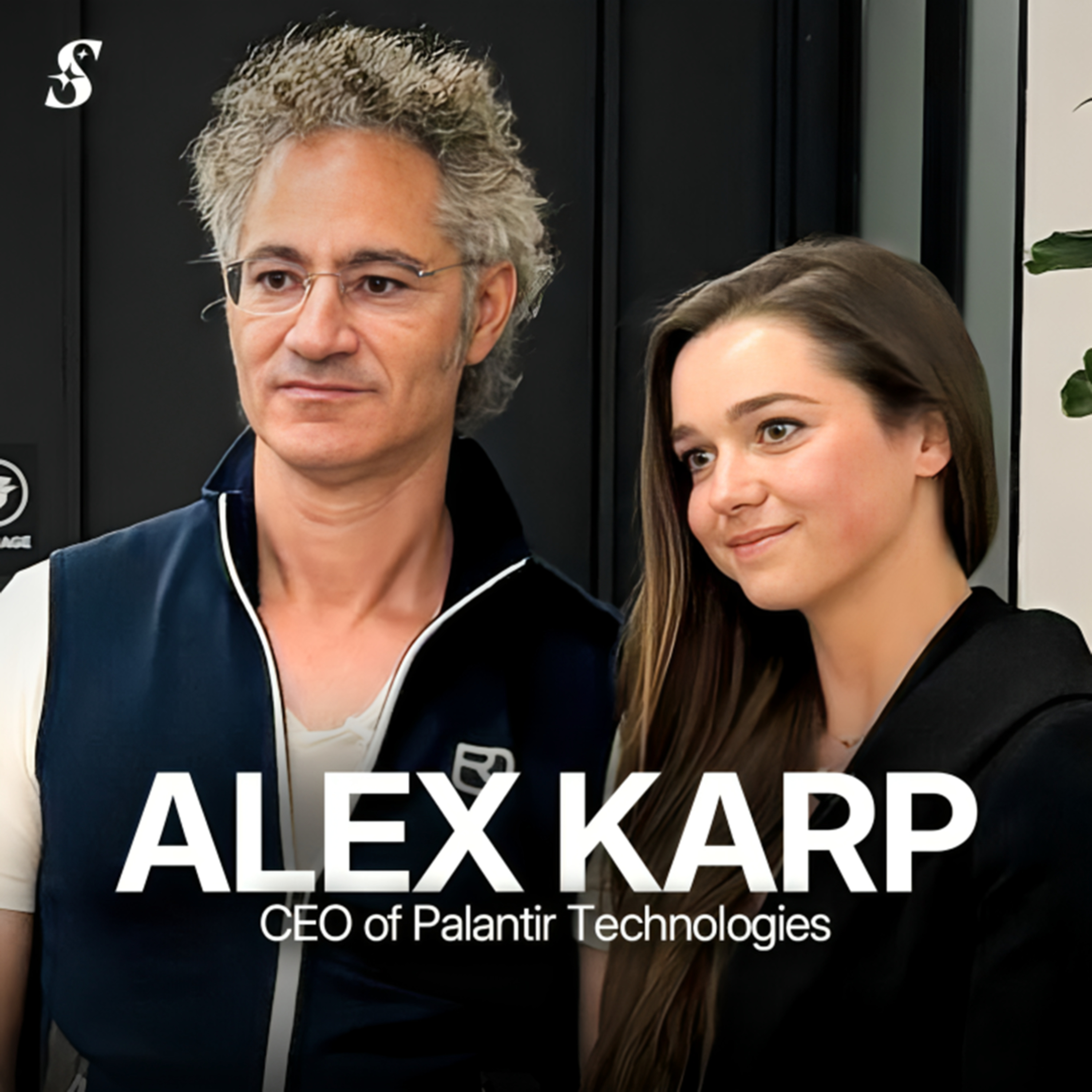
Palantir's success stems from its "anti-playbook" culture. It maintains a flat, meritocratic structure that feels like a startup despite its size. This environment fosters original thinking and rewards those who excel outside of rigid, conventional frameworks, turning traditionally undervalued traits into strengths.
Executives from large companies often fail at startups. Lindsey Scrase succeeded in her move from Google to Checkr because her experience at Google Cloud was akin to a resource-constrained startup, building from scratch without established systems like Rev Ops or enablement.

The founder, who left a $1.3M+ Google role, argues that major AI innovations (ChatGPT, Claude Code, OpenClaw) come from nimble teams. Large corporations' approval processes and guardrails stifle the rapid, experimental iteration necessary for true breakthroughs, making them poor environments for building the future of AI.

A primary motivator for many successful entrepreneurs isn't just the desire to build something new, but a fundamental incompatibility with corporate structure. This craving for autonomy makes entrepreneurship less of a career choice and more of a personal necessity, a powerful 'push' factor away from traditional employment.

Constant exposure to top founders and a build-centric environment at YC creates an irresistible "itch" to start a company. The organization accepts that its best employees will almost always leave to become founders themselves, not to join other tech giants.

Some founders are not driven by a specific mission but by a personality that makes them unsuited for traditional employment. A high sense of self-worth and an inability to submit to authority can be a powerful, if accidental, driver of entrepreneurship.