Get your free personalized podcast brief
We scan new podcasts and send you the top 5 insights daily.
Nike's first full-time employee, Jeff Johnson, was more than a salesman; he was a 'cult leader of runners.' He built a community by keeping detailed index cards on each customer, sending them birthday cards, and celebrating their races, turning transactions into lasting relationships.

Related Insights
"Mercenaries" are transactional reps who perform well but leave when conditions change. "Patriots" are mission-driven team members who build a winning culture. While startups may need mercenaries for early traction, long-term success requires actively cultivating and hiring for patriot-like qualities.

Frame employee training as an investment, not a cost, because 'growth follows people, not plans.' Train your team beyond the technical aspects of their job to focus on building genuine human connections. This approach transforms a transactional service into a loyal community, turning your staff into powerful growth multipliers.

Shift the sales objective from closing a single transaction to opening a long-term relationship. By staying engaged post-sale, you convert customers into an active, unpaid sales force that drives referral business.

Knight, an introverted, failed encyclopedia salesman, only succeeded at selling shoes because he genuinely believed in running and his product. This palpable conviction was irresistible to customers, proving that authentic belief is a more powerful persuasion tool than any learned sales technique.
![[Outliers] Phil Knight: The Obsession That Built Nike thumbnail](https://megaphone.imgix.net/podcasts/9c0d00ea-df1d-11ef-9477-2b8336fcd8e9/image/113a058265322df92ae562c548d1dc8f.jpg?ixlib=rails-4.3.1&max-w=3000&max-h=3000&fit=crop&auto=format,compress)
The founder defines community as a long-term commitment. For Comms Hero, this meant daily social media engagement for eight straight years and sending handwritten cards for personal milestones, regardless of whether the recipient was a customer, proving a genuine investment in people over transactions.

A startup's initial salesperson should prioritize mirroring the founder's successful sales approach. Their job is to deconstruct the founder's "hook" through observation and trial-and-error, not to immediately implement formal sales processes, metrics, or a CRM. Success comes from successful knowledge transfer, not premature system building.
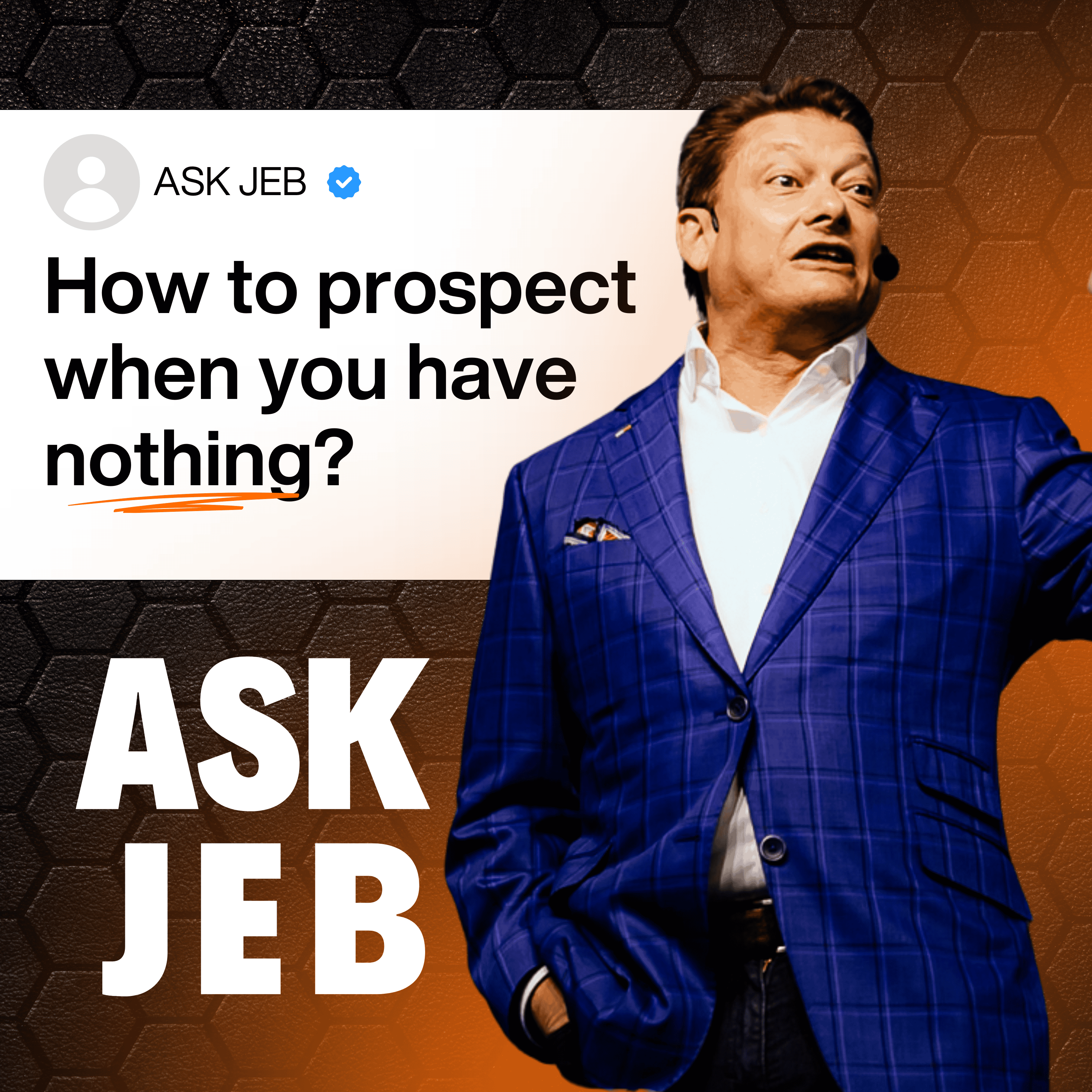
Sales professionals should think beyond individual relationships and intentionally cultivate a collective culture among their customers. This involves creating shared experiences and fostering connections between clients, turning a portfolio of disparate accounts into a unified community.

To build deep customer empathy, embed every new employee—regardless of role or seniority—with a real customer for several days. Their sole task is to solve one real problem, creating an immediate, visceral connection to the company's purpose.
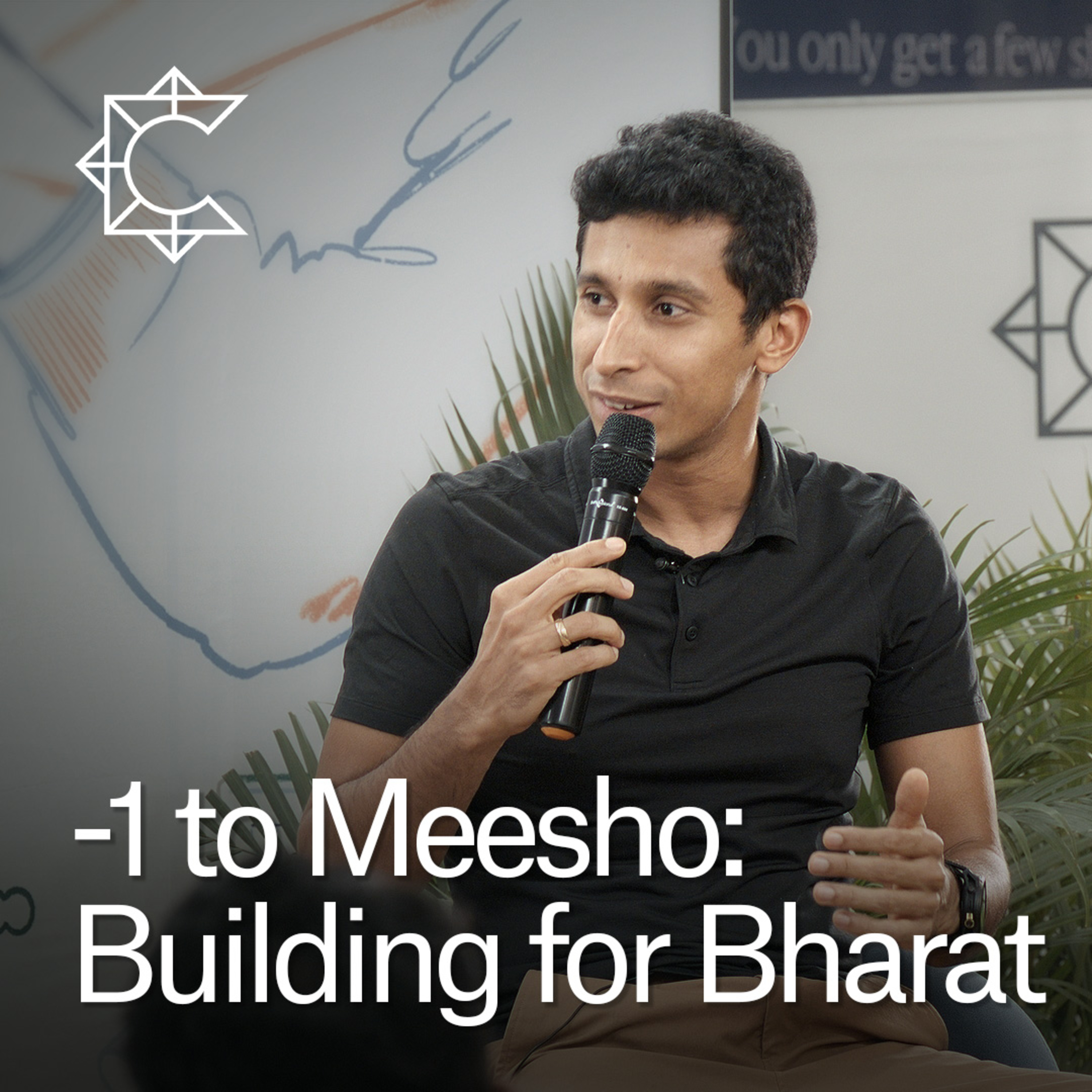
When looking for early hires, CHOMPS' founders advise starting with your existing customer base. A fan of the brand already possesses the passion and belief in the product that is essential for a new team member to succeed and authentically represent the company.

ElevenLabs' CEO realized his first sales leader hire was monumental not just for revenue, but for culture. Sales leaders tend to hire people in their own image, meaning that first hire dictates the approach and values of the entire future sales organization.
