Get your free personalized podcast brief
We scan new podcasts and send you the top 5 insights daily.
The founder defines community as a long-term commitment. For Comms Hero, this meant daily social media engagement for eight straight years and sending handwritten cards for personal milestones, regardless of whether the recipient was a customer, proving a genuine investment in people over transactions.

Related Insights
The founder advocates for being a "fountain, not a drain." He uses "soft touchpoints"—like texting a screenshot of a partner's ad seen in public—to stay top-of-mind without asking for anything. This builds genuine, non-transactional connections that pay dividends when a real "ask" is eventually needed.

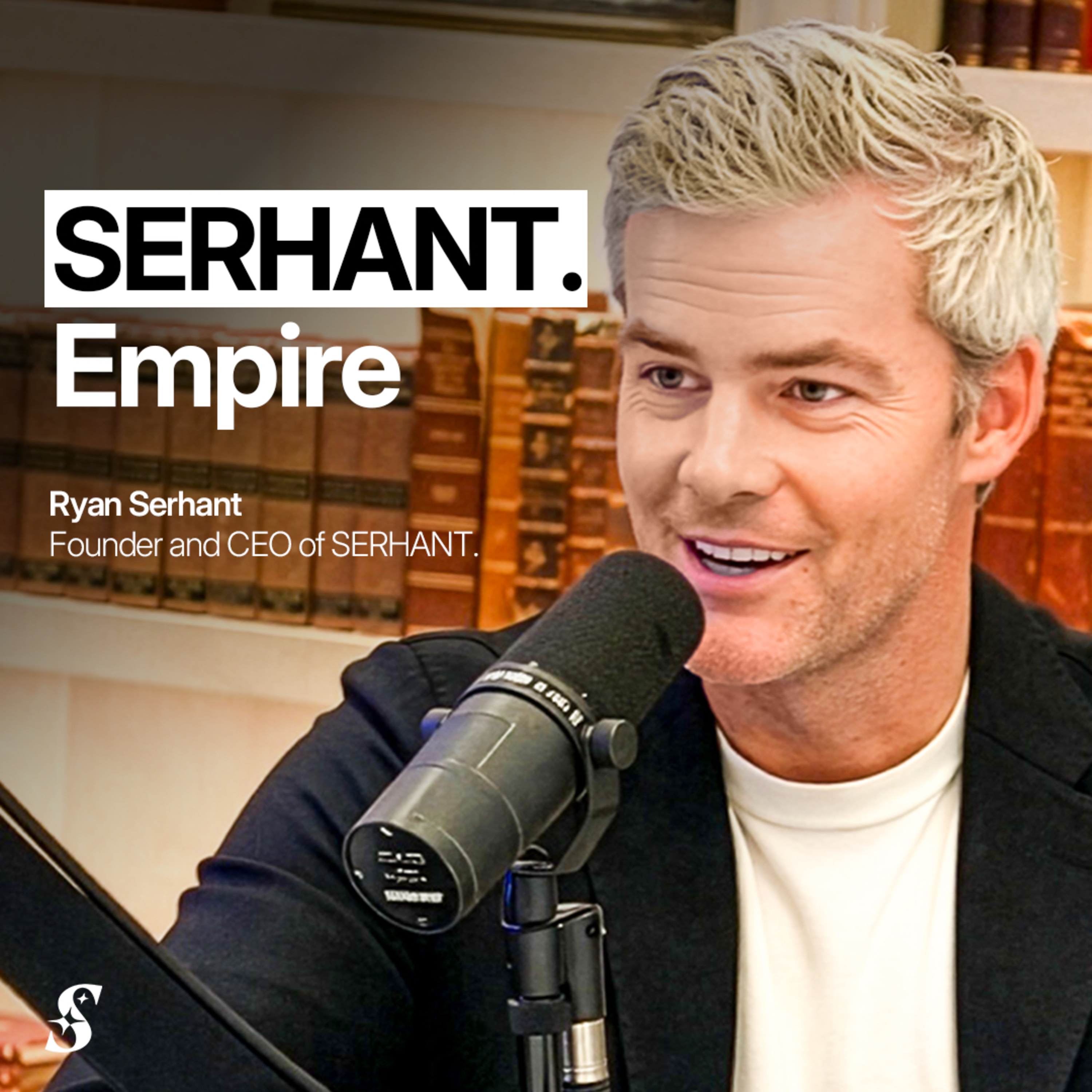
To convert an audience into a community, leaders must show vulnerability. People connect emotionally with struggles, not just a constant stream of success. Serhant's strategy is to frame his job as losing all day, with wins being a bonus. This creates a relatable culture that fosters loyalty.
The most powerful form of community isn't a walled-off Slack group. It's about becoming the 'host of the party' for a specific audience's shared interests. Companies like HubSpot built a community around 'inbound marketing' by owning the conversation, long before they had private user groups.

A sense of belonging is intentionally constructed through consistent, small acts of kindness like bringing a casserole to a neighbor. These simple gestures forge stronger community bonds than large, impersonal contributions. At the end of life, a person's impact is measured by how they showed up for others in these small but meaningful ways.

While marketing content attracts members to the Exit 5 community, the real value and retention driver is the personal connections formed between members. The speaker shares a story of two women who met through the community and became real-life friends, demonstrating the product's ultimate purpose.
A powerful brand shifts its focus from "look at me" to "sit with me." Instead of a solo spotlight demanding attention, think of your brand as a campfire that invites others to gather around. This community-centric approach fosters deeper loyalty and engagement.

Birdies founder Bianca Gates argues that real community isn't a marketing tactic. It emerges organically from a founder's genuine need for help, leveraging personal networks for everything from feedback to early sales. This desperation creates authentic early evangelists.

A community is not a collection of followers. In a true community, every member both contributes and receives value. This contrasts with an audience model, where a central figure broadcasts to a passive group, fostering a one-way relationship based on capturing attention.
True community building is a relentless tactical execution of engagement. Gary Vaynerchuk dismisses abstract strategies, citing his four-year practice of replying to every single tweet. The failure of most brands is ignoring the small-scale, consistent engagement that actually builds a loyal fan base.

Educational content and events are effective for acquiring new community members. However, the true "sticky feature" that drives long-term retention is the genuine connections members form with each other. Marketing hooks people, but relationships make them stay.
