Get your free personalized podcast brief
We scan new podcasts and send you the top 5 insights daily.
For spin-offs like Waymo, bringing in investors like Silver Lake is a strategic move. It introduces an independent board and external pressure to perform, creating accountability and a clear path to liquidity (like an IPO) that is harder to achieve under the parent company's sole governance.
Related Insights
When investing in high-risk, long-development categories like autonomous vehicles, the key signal is undeniable consumer pull. Once Waymo became the preferred choice in San Francisco, it validated the investment thesis despite a decade of development and high costs.
![David George - Building a16z Growth, Investing Across the AI Stack, and Why Markets Misprice Growth - [Invest Like the Best, EP.450] thumbnail](https://megaphone.imgix.net/podcasts/8da7dbd8-ceeb-11f0-941c-ef83bcdd4c9f/image/d44107bc94719f78fbe91befb141073e.jpg?ixlib=rails-4.3.1&max-w=3000&max-h=3000&fit=crop&auto=format,compress)
Lyft is competing with Waymo in cities like San Francisco but partnering with them in Nashville, where Lyft manages Waymo's fleet (cleaning, charging, maintenance). This "frenemy" approach allows Lyft to participate in the autonomous vehicle future by providing operational services to a direct competitor.
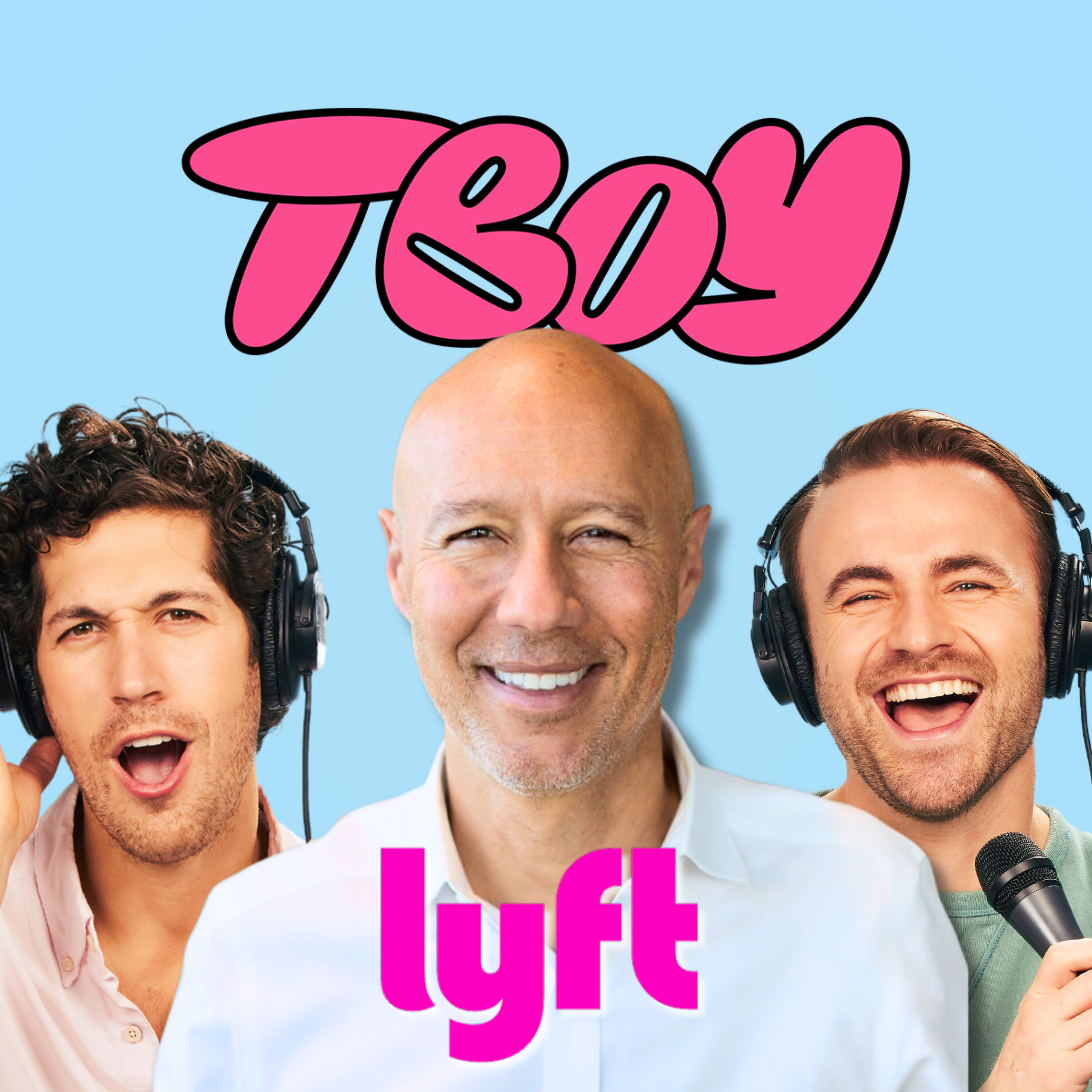
Lyft's co-founders recognized a common corporate governance weakness: boards are often too far removed from customers, focusing instead on finance and high-level strategy. They recruited David Risher specifically for his "customer obsession" to bring that critical perspective into the boardroom.

Alphabet's success with long-term projects like Waymo illustrates a key innovation model. The stable cash flow from a core business provides a safety net, allowing high-risk, capital-intensive ventures to survive years of losses and uncertainty—a luxury most VC-backed startups don't have.

While multi-stage funds offer deep pockets, securing a new lead investor for later rounds is often strategically better. It provides external validation of the company's valuation, brings fresh perspectives to the board, and adds another powerful, committed firm to the cap table, mitigating signaling risk from the inside investor.
Founders with personal wealth and companies with massive cash-cow businesses, like Google's search ads, can afford to pursue high-risk, long-term projects like Waymo. This financial security allows them to endure long periods of unprofitability in pursuit of breakthrough innovations.

Companies pursuing revolutionary technologies like autonomous driving (Waymo) or VR (Reality Labs) must endure over a decade of massive capital burn before profitability. This affirms venture capital's core role in funding these long-term, high-risk, high-reward endeavors.

Instead of building its own AV tech or committing to one exclusive partner, Lyft is embracing a 'polyamorous' approach by working with multiple AV companies like Waymo, May Mobility, and Baidu. This de-risks their strategy, positioning them as an open platform that can integrate the best technology as it emerges, rather than betting on a single winner.

Uber has no intention of owning massive AV fleets. Instead, it plans to prove the revenue model for robo-taxis and then enable financial institutions and private equity firms to purchase and operate the fleets on its platform, similar to how REITs own hotels managed by Marriott.

CEO David Risher describes Lyft's autonomous vehicle strategy as "polyamorous." Instead of betting on one technology partner, they are integrating with multiple AV companies like Waymo, May Mobility, and Baidu. This approach positions Lyft as the essential network for any AV provider to access riders, regardless of who builds the best car.