Get your free personalized podcast brief
We scan new podcasts and send you the top 5 insights daily.
Rion structures itself as a central "hub" with core technology, then creates separate "spoke" companies for verticals like veterinary or cosmetics. These spokes raise their own targeted capital, allowing Rion to fund platform development without constant dilution at the parent company level and diversifying funding risk.

Related Insights
Colossal generates value not by selling resurrected animals but by spinning out valuable technology companies developed during its R&D, such as a computational biology platform. The long-term vision involves biodiversity credits rather than direct sales.
Railsware operates as a hybrid 'product studio,' using its consultancy arm to fund and staff the creation of its own SaaS products. This model allows it to successfully build and scale multiple, distinct companies like Mailtrap (email tools) and Coupler.io (data analytics) in parallel, despite the model often confusing traditional investors.

To innovate at scale, Harness treats each new product as a semi-independent entity. These "startups" have a founder-like PM, go through internal seed/Series A funding stages tied to revenue milestones (e.g., $1M ARR), and are responsible for their own initial founder-led sales.

Rion strategically chose diabetic foot ulcers as its lead indication to de-risk its new therapeutic class. This "outside-in" approach allows the company to build a substantial safety record and gain regulatory and clinical acceptance with a topical product before advancing to more complex systemic applications.
To maintain product focus and avoid the 'raising money game,' the founders of Cues established a separate trading company. They used the profits from this successful venture to self-fund their AI startup, enabling them to build patiently without being beholden to VC timelines or expectations.

This structure offers fundraising flexibility by appealing to two distinct investor types. Some investors prefer the diversified, lower-risk profile of the central hub, while others want direct exposure to a specific high-potential asset or disease area within a subsidiary spoke. This broadens the potential capital pool.
The field of ophthalmology is particularly well-suited for a hub-and-spoke model because it utilizes a wide range of treatment modalities (small molecules, biologics, devices, gene therapy). This allows a central hub to leverage shared expertise in areas like ocular delivery and regulatory pathways across multiple, diverse spokes.
FCDI launched multiple clinical-stage companies (Century, Opsis, Kenai) by providing a proven iPSC technology backbone. This "platform and spinout" model allows new ventures to focus on clinical development rather than early platform discovery, increasing their chances of success and attracting partners.

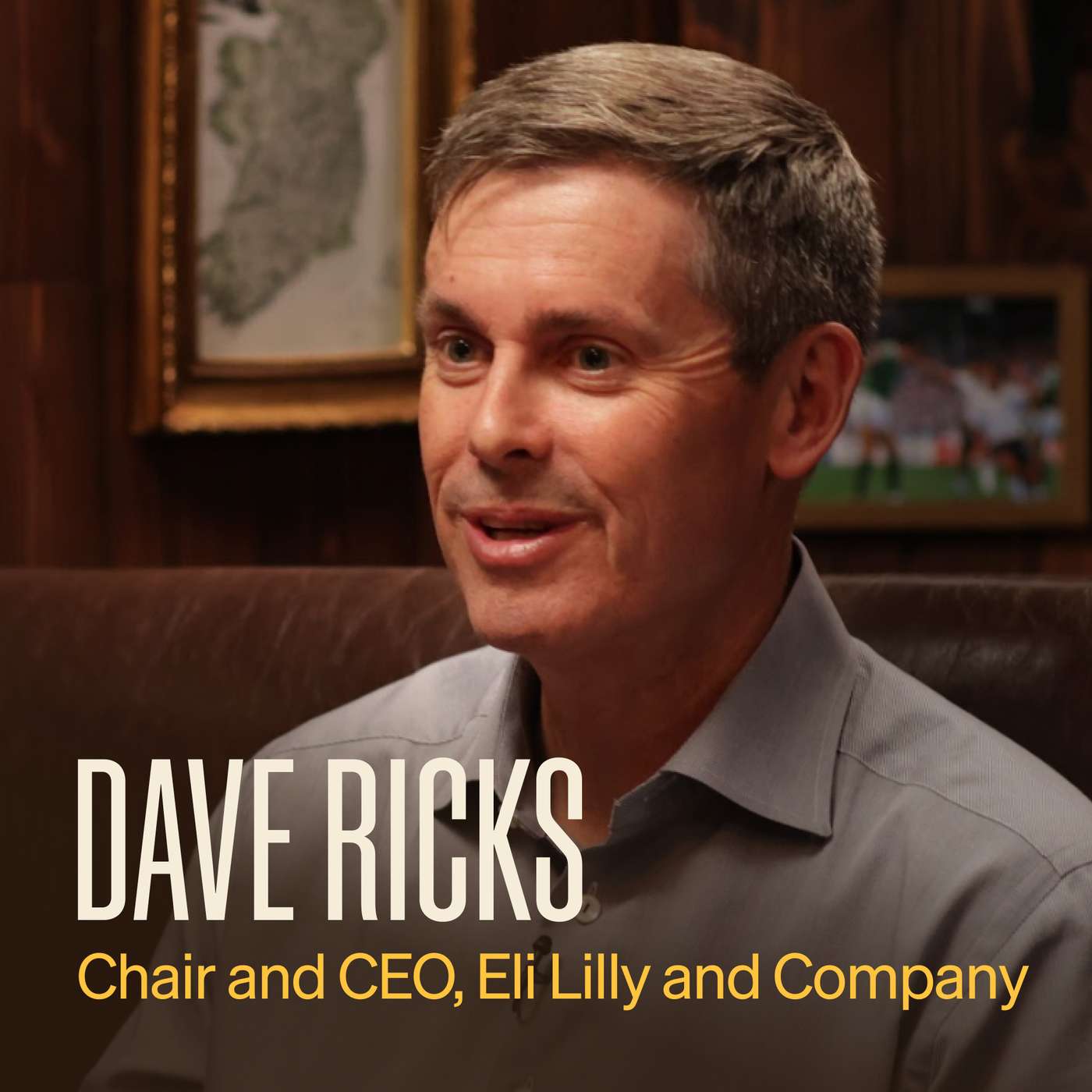
To avoid the pitfalls of scale in R&D, Eli Lilly operates small, focused labs of 300-400 people. These 'internal biotechs' have mission focus and autonomy, while leveraging the parent company's scale for clinical trials and distribution.
Instead of keeping its M&A strategy in-house, Composecure, under Dave Cote, spun out its capital allocation arm into a separate public company, Resolute Holdings. This allows the market to apply a high-growth 'asset manager' multiple to the M&A potential, separate from the core operating business.
![CompoSecure: Heavy Metal - [Business Breakdowns, EP.232] thumbnail](https://megaphone.imgix.net/podcasts/6a0322c8-b087-11f0-b5ae-835d92fb36c4/image/9d584d132c15ae048ca7a0ec6b1f3ff7.jpg?ixlib=rails-4.3.1&max-w=3000&max-h=3000&fit=crop&auto=format,compress)