Get your free personalized podcast brief
We scan new podcasts and send you the top 5 insights daily.
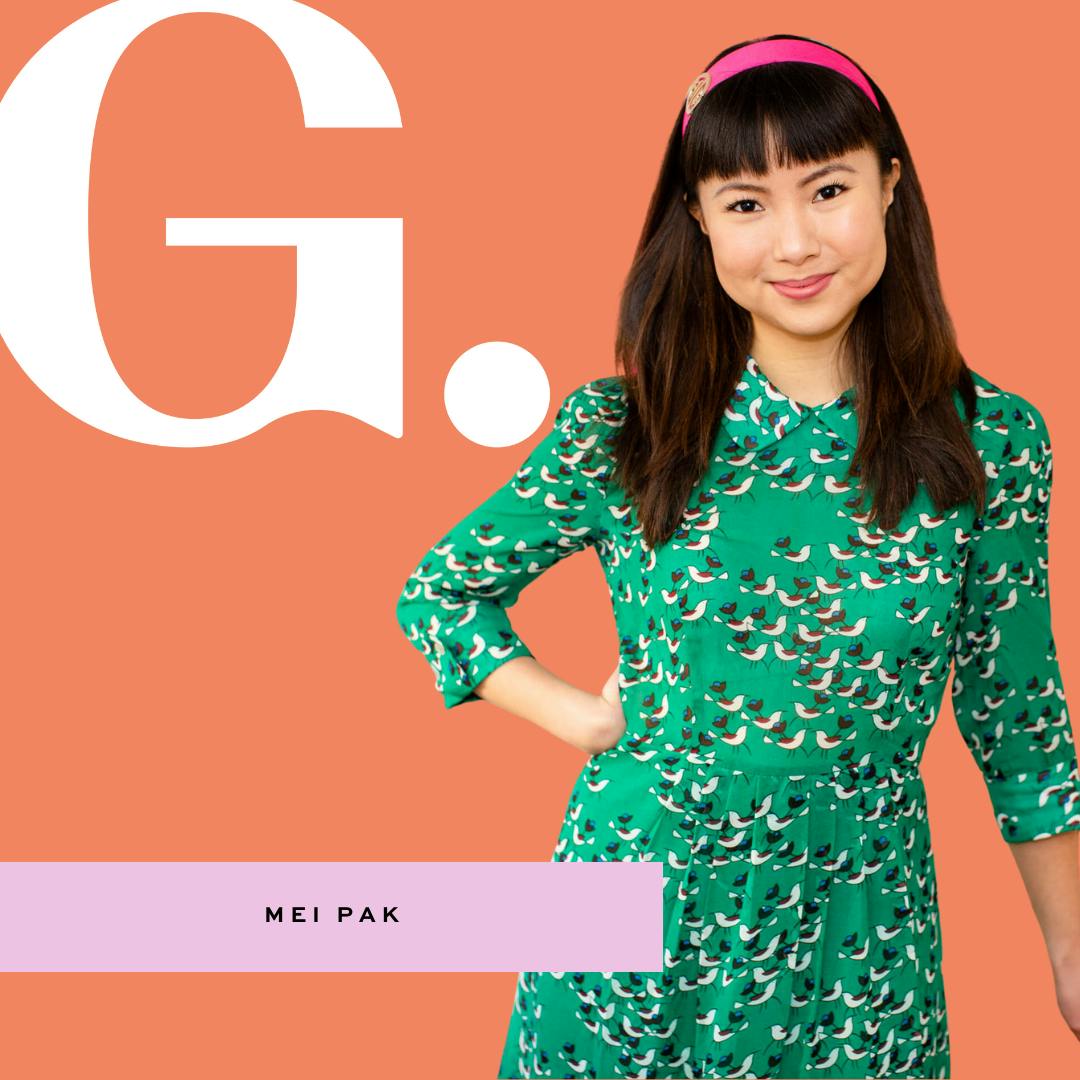
Guest Mae Pack built a multiple seven-figure handmade business after abandoning social media, which yielded low ROI and drained her energy. She instead focused on media outreach and collaborations, which aligned with her strengths and produced more impactful, long-lasting results.
Related Insights
A growing movement pushes back against the "always-on" demands of social media. This "slow marketing" prioritizes building sustainable systems that work for you, not against you. Pinterest is a key tool for this, rewarding consistent, strategic effort over constant performance and allowing for a life outside of work.

Instead of spending big on trendy mega-influencers, Gamma found success by scaling relationships with thousands of micro-influencers in niche, high-trust "echo chambers" like education. These smaller, authentic voices spread like wildfire within their communities, driving more effective growth.
During a maternity leave, the speaker stopped posting on social media and discovered her sales and list growth remained consistent. The instant feedback of likes and comments was a "dopamine hit," but Pinterest was the quiet engine actually driving 80% of the results, revealing a major misalignment of time and effort.
The biggest misconception sold to entrepreneurs is that social media is mandatory for success. In reality, a solid business model, an email list, and effective ways for the right people to find you (like SEO) are the only true necessities. Social media can be "icing," but it shouldn't be the core "cake."
To break through the noise of modern influencer marketing, target less-obvious platforms. Instead of competing for attention on Instagram and TikTok, pitch YouTubers and Substack writers who receive fewer inquiries. This approach increases your chances of getting noticed and securing features without a budget.
Instead of treating social media as a long-term home, use it as a strategic tool to get your audience onto platforms you own, like an email list. The primary goal is to capture attention and immediately guide followers into your ecosystem, building a more resilient business off-platform.
Podcast listeners have higher average household incomes and greater purchasing intent. A small, dedicated audience built through the intimacy of audio is more valuable for monetization via courses and consulting than a massive but disengaged social media following.
After an accidental media feature generated a massive sales spike, Mae Pack transformed that luck into a core strategy. She stopped waiting for features to happen and started proactively pitching her products to blogs and magazines, creating a repeatable engine that doubled her income annually.
Before social media, Anastasia Soare's primary marketing strategy was perfecting her craft on every single client, regardless of their status. She knew that exceptional, consistent results would turn each person into a walking advertisement, generating powerful word-of-mouth referrals that built her initial brand.

A single podcast episode serves as a content hub that can be repurposed into social posts, newsletters, and videos. This "compound content return" builds a lasting asset, freeing you from the daily content treadmill required by social media.