Get your free personalized podcast brief
We scan new podcasts and send you the top 5 insights daily.
Whitney Wolfe Herd explains how stepping away from Bumble and separating her personal identity from the company's gave her crucial perspective. This "space" between the circles of self and company, while counterintuitive to investors, ultimately made her a more effective leader upon her return.

Related Insights
New entrepreneurs often hide their personality, believing their work should stand alone. This stems from imposter syndrome and a desire to blend in. However, clients connect with the person behind the brand first. Hiding yourself is a disservice that prevents the trust and differentiation needed to build a loyal audience.

To maintain performance over the long term, Canva's CEO deliberately creates strict boundaries between work and life. By removing email from her phone, she can be "all in" when working at her laptop and "all out" when she's not, allowing for true mental separation and recovery.

Instead of chasing the 'hustle' momentum of her early career, the speaker now embraces a slower pace. She realized that she is the source of momentum and can create it whenever needed. This mindset allows her to prioritize a balanced life without fearing she'll become irrelevant or lose opportunities.
Many founders treat their startup as a temporary vehicle to an exit, which can lead to an identity crisis after they "win." A healthier approach is to build a company as a "way of life"—a system of activities you want to engage in for the long term, regardless of specific outcomes.

After burning out, Bumble's founder returned with renewed purpose by reframing the company not as an app, but as a "vehicle to deliver love." This elevated, mission-driven perspective—seeing the company as a means to a greater societal end—can be a powerful tool for leaders to overcome fatigue and reconnect with their work.
Successor CEOs cannot replicate the founder's all-encompassing "working memory" of the company and its products. Recognizing this is key. The role must shift from knowing everything to building a cohesive team and focusing on the few strategic decisions only the CEO can make.
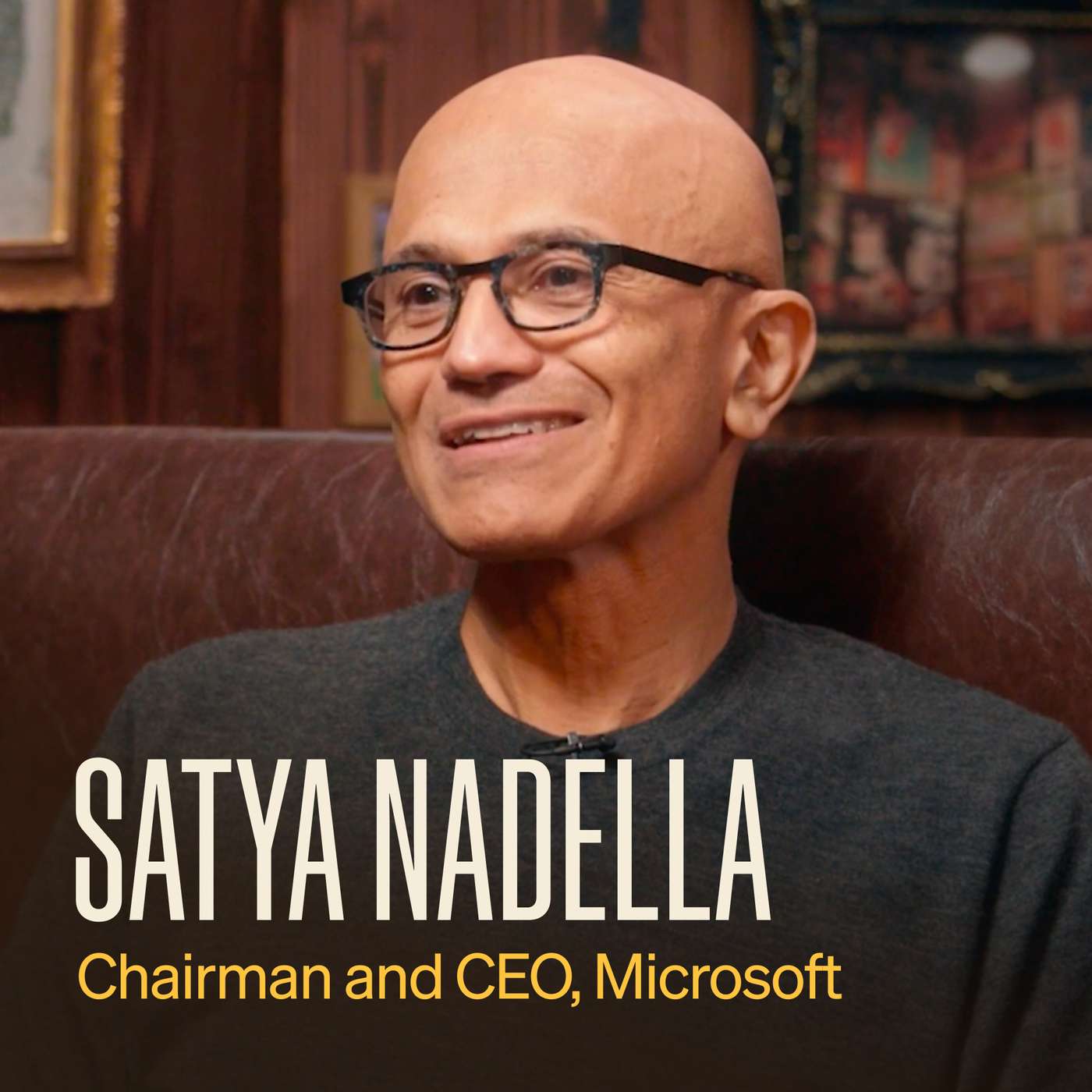
The nature of marketing has shifted from promoting a faceless corporation to showcasing an authentic founder personality. Companies without an interesting character at the helm are at a disadvantage. This requires leaders to be public figures, as their personal brand, story, and voice are now integral to the company's identity and success.

The founder hired an experienced CEO and then rotated through leadership roles in different departments (brand, product, tech). This created a self-designed, high-stakes apprenticeship, allowing him to learn every facet of the business from experts before confidently retaking the CEO role.

A successful entrepreneur who built her business on her personal brand now cautions against it being the only viable strategy. She admits she was wrong and now advocates for building businesses not tied to one's name and likeness, stressing the need to separate the human from the brand.
Bumble's founder believes the initial, all-consuming obsession is critical for getting a startup off the ground. However, this same intensity becomes a liability as the company matures. Leaders must evolve and create distance to gain the perspective needed for long-term growth and to avoid stifling opportunity.