Get your free personalized podcast brief
We scan new podcasts and send you the top 5 insights daily.
Top reps often resist sharing their 'secret sauce.' To gain their trust, leaders must show vulnerability first and frame the request as a way to 'bottle up their greatness' and help build a team of high-performers in their image, thus securing their legacy.

Related Insights
The first conversation with a target CEO shouldn't focus on the deal. Instead, focus on their personal story to uncover their core motivation—money, legacy, or team success. This "why" provides the key to framing the acquisition in a way that resonates with them and dictates the entire negotiation strategy.

Your best reps are often "unconsciously competent" and can't explain their own success. Before an SKO, leaders must help these individuals deconstruct their process and build a prescriptive presentation, translating their individual "art" into a replicable science for the entire sales team.

To get a top performer to adopt new systems like a CRM, don't frame it as an organizational need. Instead, explain how it benefits them directly—by helping you provide better support, secure discounts, or strategize on deals. Make it about their success, not compliance.
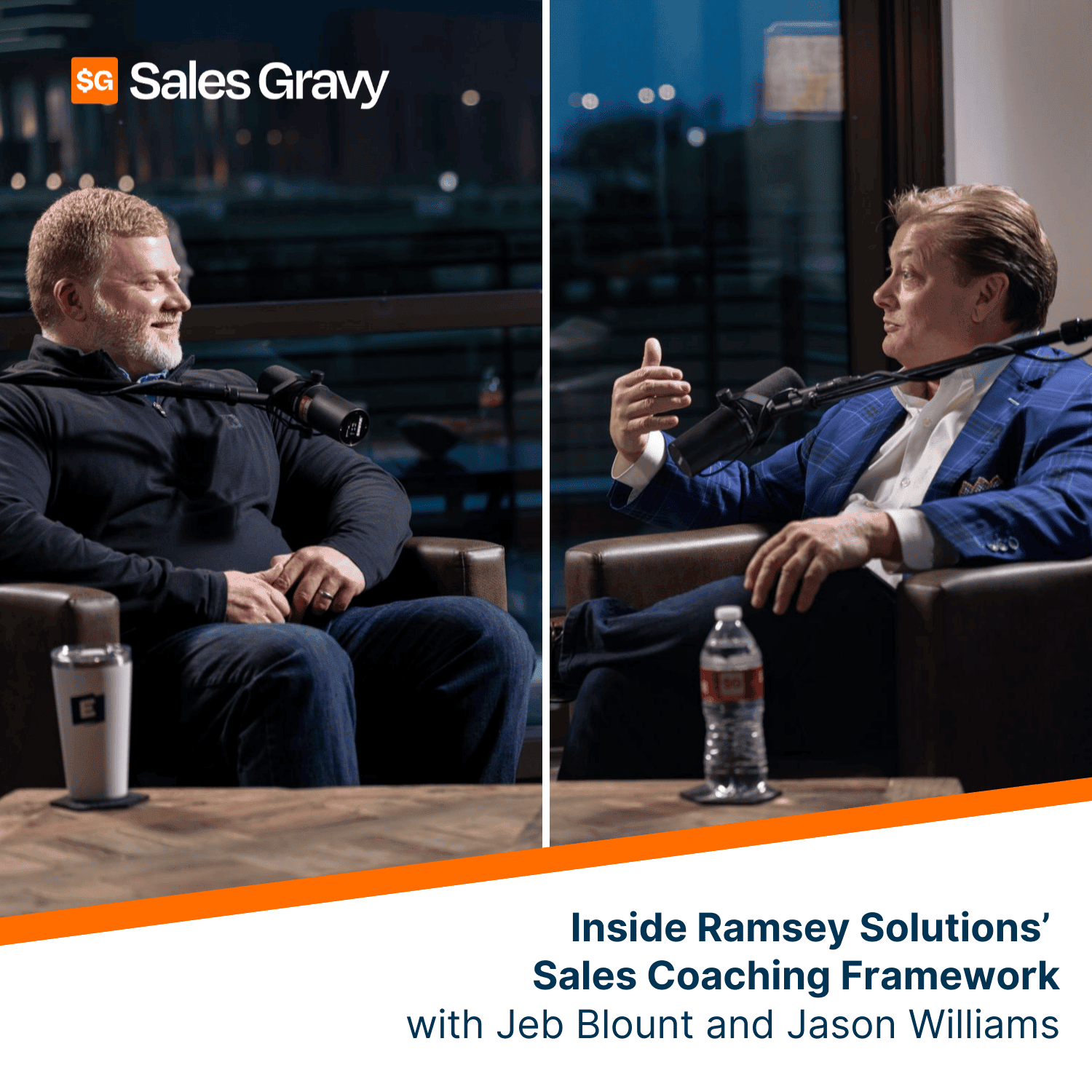
To gain respect from the entire team, focus on coaching your "Michael Jordan"—the top-performing rep who seems uncoachable. If you can show them you can add value, you will earn credibility and buy-in from everyone else on the team.

PepsiCo’s CEO won over Indra Nooyi not by criticizing competitor GE, but by acknowledging GE's strengths. He then made a personal commitment ("Count on me") to ensure her unique talents would specifically shape PepsiCo's future. This unconventional pitch built immense trust and highlighted his character as a leader.

Studies show executives who admit to past struggles, like being rejected from multiple jobs, are trusted more by employees. This vulnerability doesn't diminish their perceived competence and can significantly increase team motivation and willingness to work for them.

To discuss achievements without sounding boastful, use "you-framing." Instead of saying "I did this," connect your results to the goals your leader set. This frames your success as their success, turning a self-serving pitch into a collaborative discussion about shared goals.

When a powerful champion resists involving others, it often signals a hidden agenda. Instead of pushing your sales process, ask questions that lead them to realize they need help. Frame collaboration as a way to ensure *their* success and bolster *their* internal brand, not just to check a box for you.
Veteran salespeople attribute success to 'instinct,' but it's a learned process from vast experience. Leaders must use probing questions ('How exactly?', 'Give me an example') to codify these implicit behaviors into a trainable system for the rest of the team.
When pitching experts or celebrities, they don't care about your resume or how great your idea is. People care about themselves. The most effective strategy is to build trust by asking authentic questions about topics they are passionate about. This makes them like you, which is the real goal.