Get your free personalized podcast brief
We scan new podcasts and send you the top 5 insights daily.
To gain respect from the entire team, focus on coaching your "Michael Jordan"—the top-performing rep who seems uncoachable. If you can show them you can add value, you will earn credibility and buy-in from everyone else on the team.

Related Insights
To get a top performer to adopt new systems like a CRM, don't frame it as an organizational need. Instead, explain how it benefits them directly—by helping you provide better support, secure discounts, or strategize on deals. Make it about their success, not compliance.
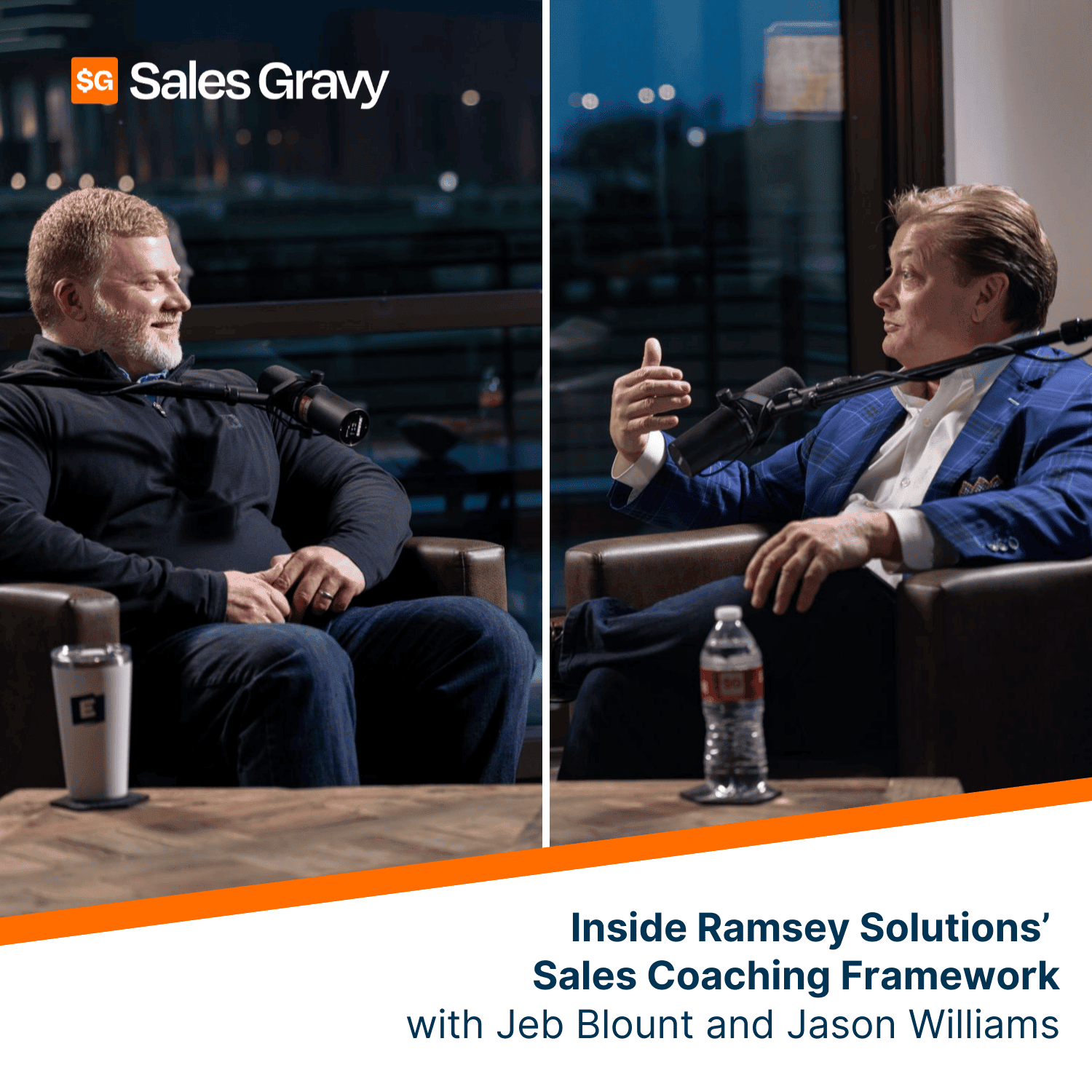
Experienced reps don't need the same oversight as junior sellers. The best managers add value by removing process friction. They skip tactical metric reviews and instead engage in strategic conversations, treating top reps as peers and helping them navigate complex team or deal dynamics.

Don't hold elite performers to the same activity metrics as the rest of the team. Instead, grant them autonomy while explicitly stating they are not exempt from being a team player. This builds trust and respect, allowing them to focus on results without undermining team morale.
Elite salespeople understand that closing deals requires a team. They actively cultivate advocates within their own company—in operations, support, and finance—by treating them well and recognizing their contributions. This internal support system is critical for smooth deal execution and ensures they can deliver on client promises.

Instead of a manager directly confronting a high-performing but difficult employee, a more effective strategy is to empower the team's respected leaders to intervene. Coach Brian White notes that peer pressure is often the most powerful influencer for correcting behavior and ensuring cultural alignment.
When confronting a high-performing but abrasive employee, don't just criticize. Frame the conversation around their career. Offer a choice: remain a great individual contributor, or learn the interpersonal skills needed for a broader leadership role, with your help.

Leadership and influence aren't tied to performance metrics or official titles. The most respected people on a team are often those who, regardless of their output, consistently work hard, hold others accountable, and embody the culture. These informal leaders are critical for a healthy locker room.
When your team disagrees with your direction, don't force your way. Let them execute their plan. If they fail, you build immense credibility and buy-in for future decisions without being a micromanager. If they succeed, the company wins. It's a double-win scenario.

To effectively give feedback, leaders must first build a genuine relationship. This ensures the correction is received constructively because the team member knows the leader cares about them personally. This simple habit fosters better engagement and higher performance.

The fastest way to earn respect in a new group isn't just competence; it's paying a visible cost. Voluntarily taking on a difficult task or making a personal sacrifice for the team's benefit demonstrates commitment and builds trust. This act of 'paying the cost' is a foundational behavior for effective leadership.
