Get your free personalized podcast brief
We scan new podcasts and send you the top 5 insights daily.
After years of losing money, Kona Brewing turned profitable by making a key operational shift. They moved their expensive bottle production from Hawaii to a contract producer on the US mainland, drastically cutting costs while keeping their local draft and brand identity intact.

Related Insights
John Morgan’s crime museum struggled in Washington D.C. due to competition from free attractions and building restrictions. Instead of quitting, he doubled down on the concept and moved the entire operation to a tourist-heavy location, Pigeon Forge. It quickly became highly profitable, proving a great idea might just be in the wrong place.

E-commerce and DTC brands with physical inventory constantly face cash flow problems. This makes them more motivated to find cost efficiencies through offshoring compared to well-funded software startups, for whom a few thousand dollars a month is a rounding error.

After a disastrous first run with a U.S. manufacturer, Wild Rye pivoted overseas. Counterintuitively, they found Chinese partners offered superior quality, sophisticated machinery, and a proactive partnership approach—even flagging potential issues pre-production. They were also more willing to work with a small brand's lower order quantities.
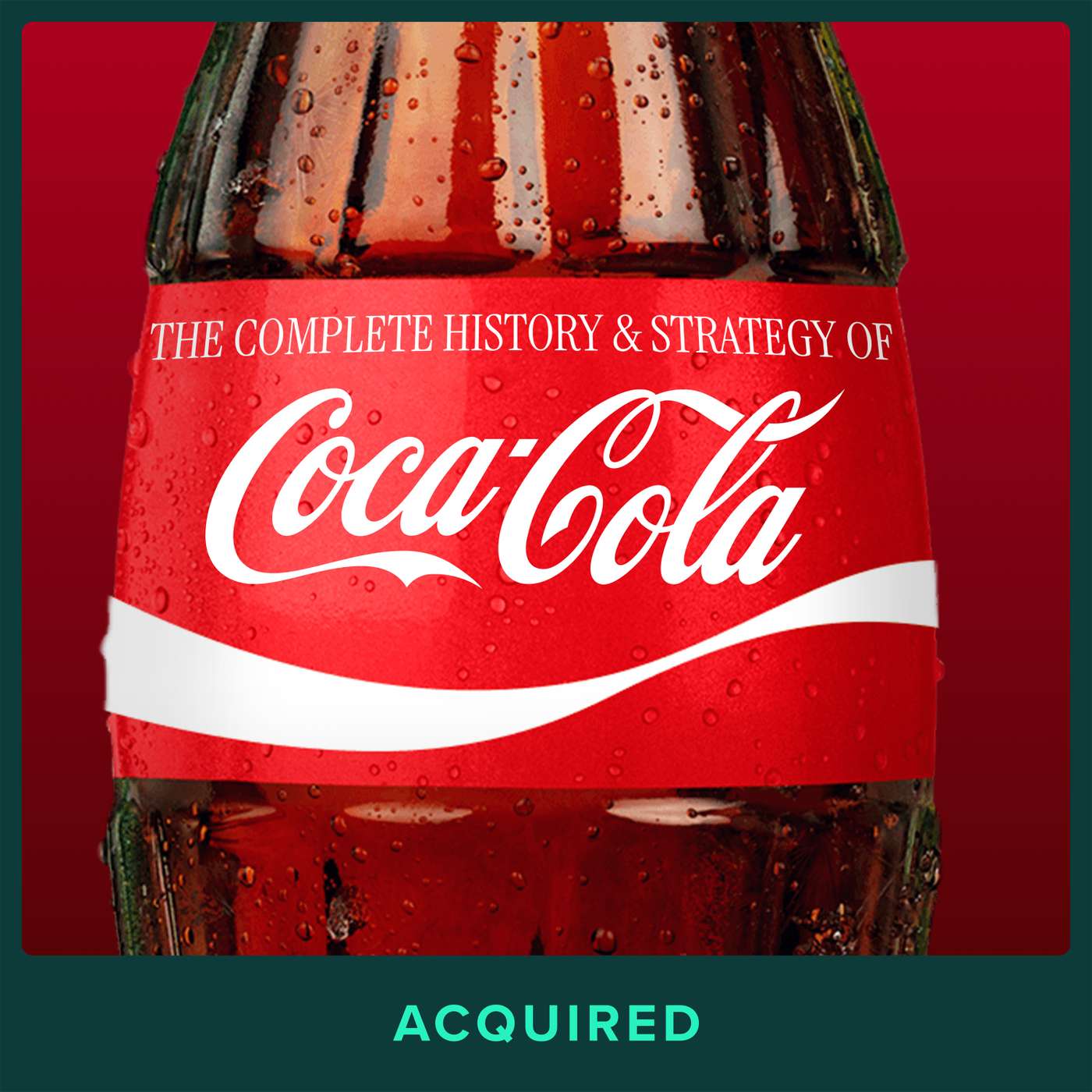
Coca-Cola gave away bottling rights for free in a perpetual contract. This seemingly terrible deal offloaded capital expenditure and operational complexity, enabling rapid, asset-light scaling through a franchised network of local entrepreneurs who built the distribution system.
Cameron Healy discovered that the popular Maui Potato Chip Company, despite its local brand, was importing potatoes from his home state of Oregon. He immediately recognized he could eliminate massive shipping costs and gain a significant advantage by sourcing locally.
Brands are shifting to a new model: one senior US-based leader for strategy, supported by one or two offshore team members for execution. This structure leverages the US lead in marketing strategy while efficiently scaling operations and keeping headcount costs low.
A key competitive advantage for cocktail brand Buzz Balls was owning its supply chain. The founder brought the production of both the patented spherical plastic containers and the spirits in-house. This strategic move ensured quality and reliability, a challenge where most D2C founders fail by remaining dependent on co-packers.

Companies offshore production because it's cheaper. Forcing manufacturing back to the US via policy results in more expensive or lower-quality goods. While it improves supply chain resilience, this should be viewed as an insurance premium—a cost, not a productive investment.

By building their initial engineering team in Puerto Rico, ServiceUp hired quality developers for about half the cost of mainland US talent ($75-100k vs $150-200k+). This geographic arbitrage was a massive capital efficiency advantage that stretched their seed funding much further.

When Shelter Skin's first shipment melted in transit, their vertically integrated model was a lifesaver. They could immediately change product seals and packaging. Had they outsourced to a lab, they would have been stuck with 10,000 faulty units and a potential $150,000 loss.