Get your free personalized podcast brief
We scan new podcasts and send you the top 5 insights daily.
To document a "seditious" freedom fighter's story in 1980s Poland, a journalist recorded interviews over official regime propaganda tapes because blank cassettes were unavailable. This creative workaround preserved a crucial historical record by literally layering the resistance narrative over state propaganda.
Related Insights
When a journalist began writing her biography, Elżbieta Zawacka ("Zo") tried to stop him. She insisted the story should not be about her individual exploits but about the thousands of forgotten women of the Polish resistance, whose collective recognition she fought for her entire life.
In a closed society like North Korea, low-tech information warfare can be highly effective. For defector Kim Soong-min, simple paper leaflets detailing South Korea's prosperity were more impactful than digital campaigns could ever be. They directly contradicted state propaganda and planted the critical seeds of doubt that led to his escape.
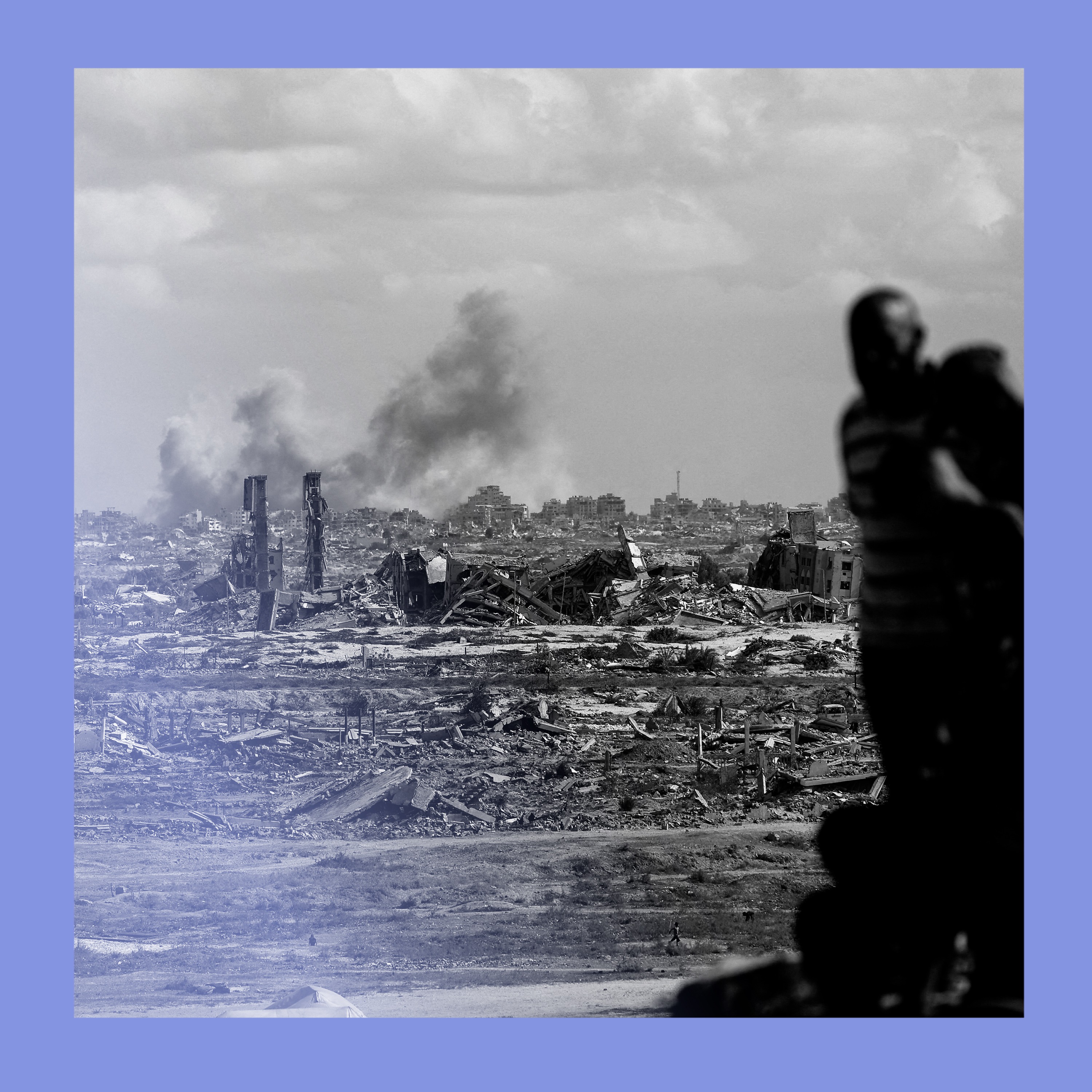
For over 20 years, BBC correspondent Mark Tully became known as the "Voice of India" because he reported on events the Indian government suppressed. His broadcasts, translated into local languages, provided a crucial alternative source of information for millions, highlighting the role of foreign journalism in informing citizens under repressive regimes.
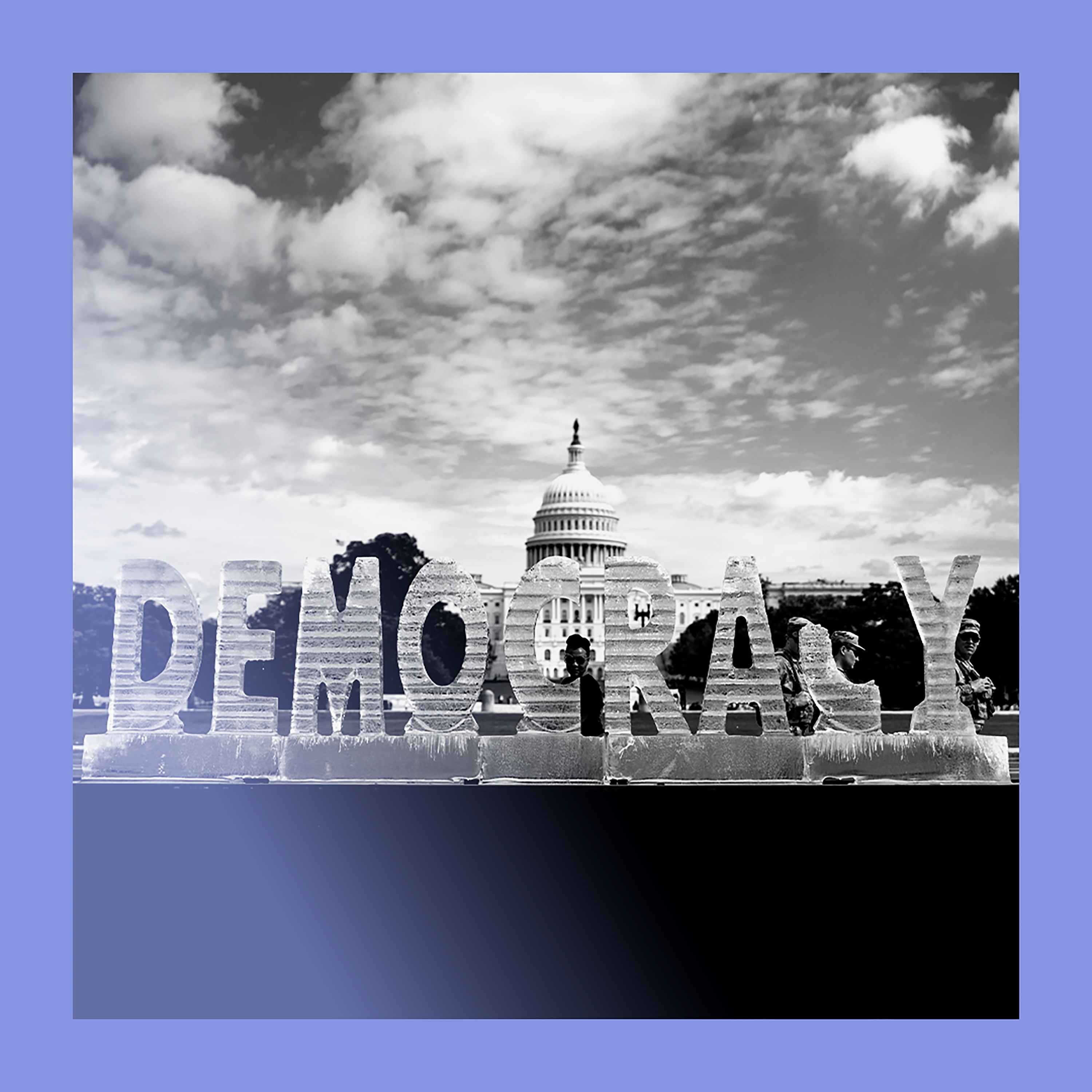
Authoritarian regimes rely on 'big lies' to control the narrative. The modern counter is the camera phone, which allows citizens to create many small, verifiable records from multiple angles. This flood of 'little truths' can dissolve or push back against state-sponsored propaganda.

Jane Fonda points out that historically, authoritarian regimes always attack artists and educators first. These groups are the "storytellers" who control the cultural narrative and shape how people think and feel. By silencing them, a regime can more easily impose its own version of reality.

Waving a national flag is a direct political act with serious risks in authoritarian countries. Activists are instead using pop culture symbols, like the pirate flag from the anime 'One Piece', to protest. This makes their message more ambiguous, providing a layer of plausible deniability to dodge censorship and reduce personal risk.
Imprisoned by the communist regime after WWII, Elżbieta "Zo" Zawacka transformed her prison into an educational institution. She taught illiterate inmates using potato prints and window steam, organized formal classes, and restored a sense of purpose, dramatically reducing suicides among prisoners.
Attempts by authoritarian regimes to silence artists like filmmaker Jafar Panahi often fail. His experiences of imprisonment and creative bans have been transmuted directly into his films. The very tools of oppression become the source of his art, turning punishment into a powerful and dignified act of resistance.

The proliferation of cell phone cameras has fundamentally changed activism. By capturing events from multiple angles, citizens create an irrefutable public record that counters official disinformation and makes the phrase "We see you" a powerful tool for accountability.
The Chinese phrase "dancing in shackles" captures the dynamic of creating and innovating within a rigidly constrained society. Originally used by journalists, the term now applies to software engineers and artists navigating the push-and-pull between state control and personal or economic expression online.
