Get your free personalized podcast brief
We scan new podcasts and send you the top 5 insights daily.
The Chinese phrase "dancing in shackles" captures the dynamic of creating and innovating within a rigidly constrained society. Originally used by journalists, the term now applies to software engineers and artists navigating the push-and-pull between state control and personal or economic expression online.

Related Insights
As the global internet splinters into nationally-regulated zones, many world leaders look with jealousy at China's ability to control its digital "town square." Despite public criticism, the Chinese model of a managed internet appeals to governments seeking greater control over online discourse, even in democracies.
Despite different political systems, the US and Chinese internets have converged because power is highly centralized. Whether it's a government controlling platforms like Weibo or tech oligarchs like Elon Musk controlling X, the result is a small group dictating the digital public square's rules.
China's narrative of national success is contradicted by a significant diaspora of its citizens—from millionaires and creatives to ordinary workers. This flight of human capital seeking stability and freedom abroad signals a fundamental precariousness within the authoritarian system that pure economic growth cannot solve.
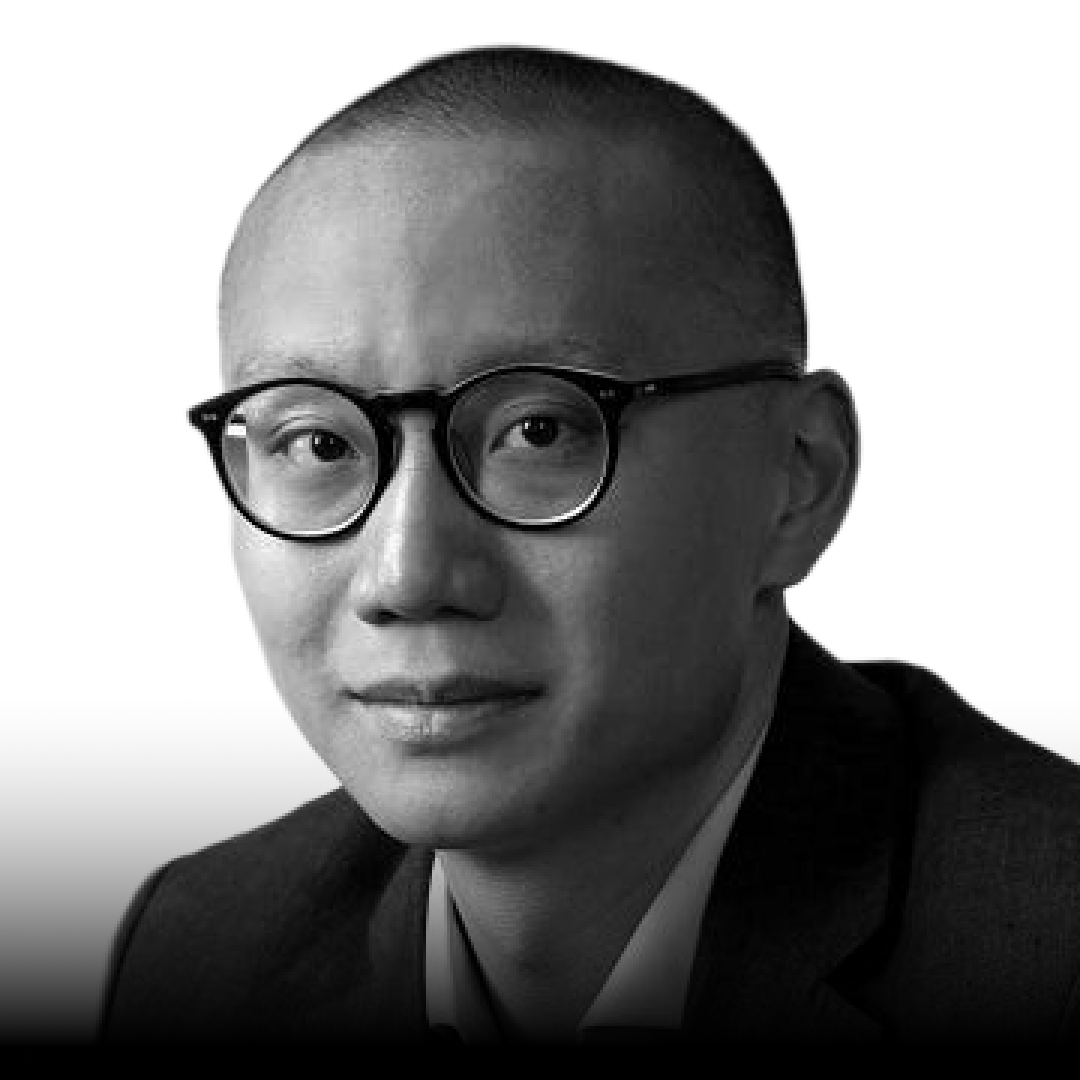
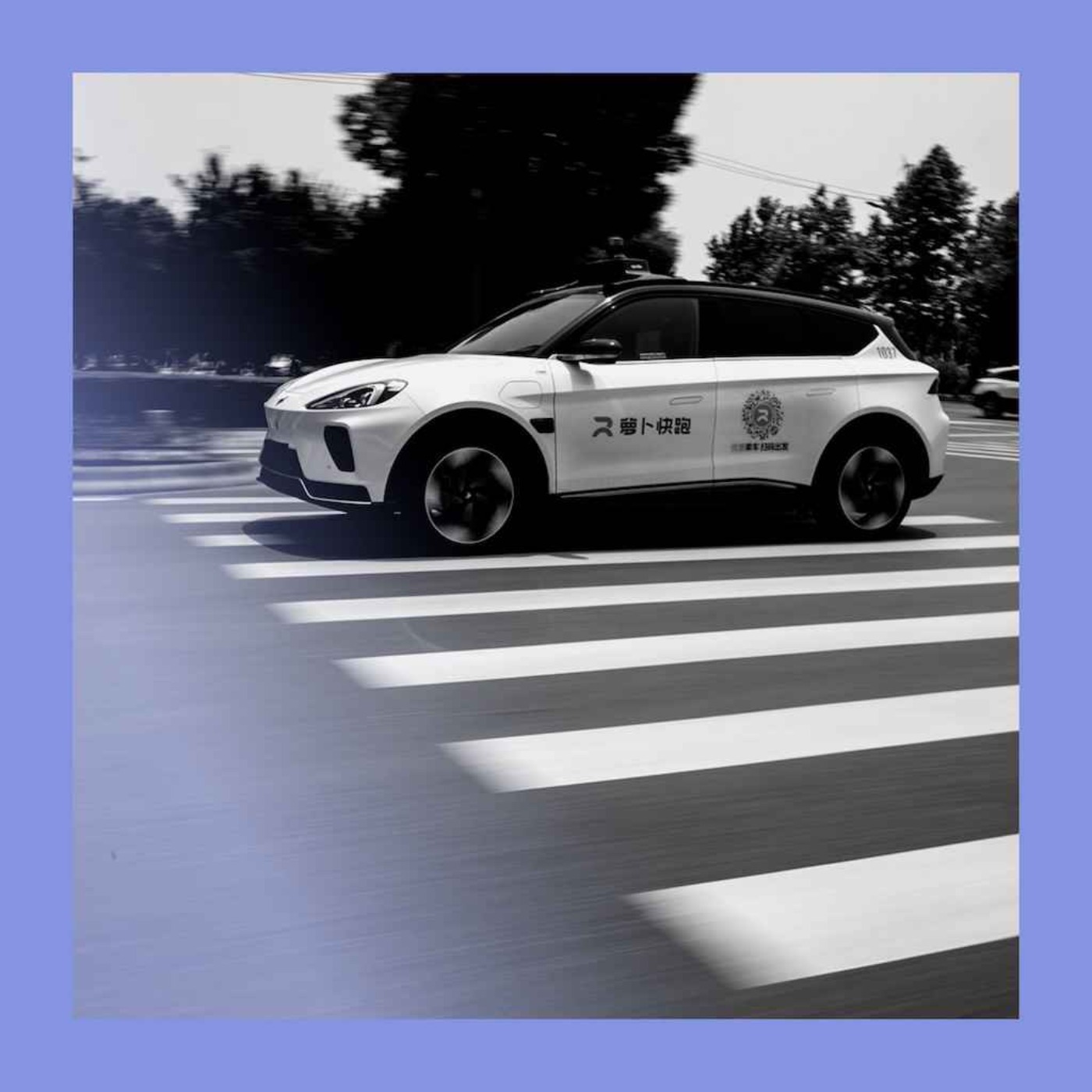
Contrary to perceptions of rigid control, China accelerates tech progress by empowering local regulators to be agile. These regulators create urban "test beds" for technologies like autonomous taxis, which entices talent and investment, turbocharging development cycles far ahead of Western counterparts.
The Chinese censorship ecosystem intentionally avoids clear red lines. This vagueness forces internet platforms and users to over-interpret rules and proactively self-censor, making it a more effective control mechanism than explicit prohibitions.
An Alibaba tech lead claims the US compute advantage allows for wasteful but effective "rich people innovation" (running many experiments). In contrast, Chinese firms are forced into "poor people innovation," bogged down by operational needs and unable to risk compute on next-gen research.

The Gaokao rewards rote memorization and test-taking skills over creativity and boundary-pushing. This educational culture could be a long-term liability for China's ambitions to become a global innovation leader, as it doesn't cultivate the imaginative mindset seen in other tech hubs.
Contrary to the Western perception of a monolithic state-run system, China fosters intense competition among its provinces. Provincial leaders are incentivized to outperform each other, leading to massive, parallel innovation in industries like EVs and solar, creating a brutally efficient ecosystem.

Internet platforms like Weibo don't merely react to government censorship orders. They often act preemptively, scrubbing potentially sensitive content before receiving any official directive. This self-censorship, driven by fear of punishment, creates a more restrictive environment than the state explicitly demands.
Censorship in China operates less through direct orders and more through an atmosphere of unpredictable threat. Like an anaconda sleeping in a chandelier above a dinner party, the state's potential to strike at any moment for any reason causes individuals to self-censor constantly, stifling creativity and open discourse.
![Dan Wang - The US vs China In The 21st Century - [Invest Like the Best, EP.444] thumbnail](https://megaphone.imgix.net/podcasts/e1599a88-a9f6-11f0-b532-e3695bb27d60/image/0f5c07552cef2689e5834d56786ad6f1.jpg?ixlib=rails-4.3.1&max-w=3000&max-h=3000&fit=crop&auto=format,compress)