Get your free personalized podcast brief
We scan new podcasts and send you the top 5 insights daily.
Attempts by authoritarian regimes to silence artists like filmmaker Jafar Panahi often fail. His experiences of imprisonment and creative bans have been transmuted directly into his films. The very tools of oppression become the source of his art, turning punishment into a powerful and dignified act of resistance.

Related Insights
Historically, authorities misidentify truly transformative ideas. The 16th-century Inquisition obsessively censored minor Protestant theological disputes while ignoring Machiavelli. Later, censors worried more about astrology in *Paradise Lost* than its revolutionary anti-monarchal rhetoric. Censors are poor predictors of which ideas will actually change the world.

Attempts to shut down controversial voices often fail. Instead of disappearing, suppressed ideas can fester and become more extreme, attracting an audience drawn to their defiance and ultimately strengthening their movement.

Jane Fonda points out that historically, authoritarian regimes always attack artists and educators first. These groups are the "storytellers" who control the cultural narrative and shape how people think and feel. By silencing them, a regime can more easily impose its own version of reality.

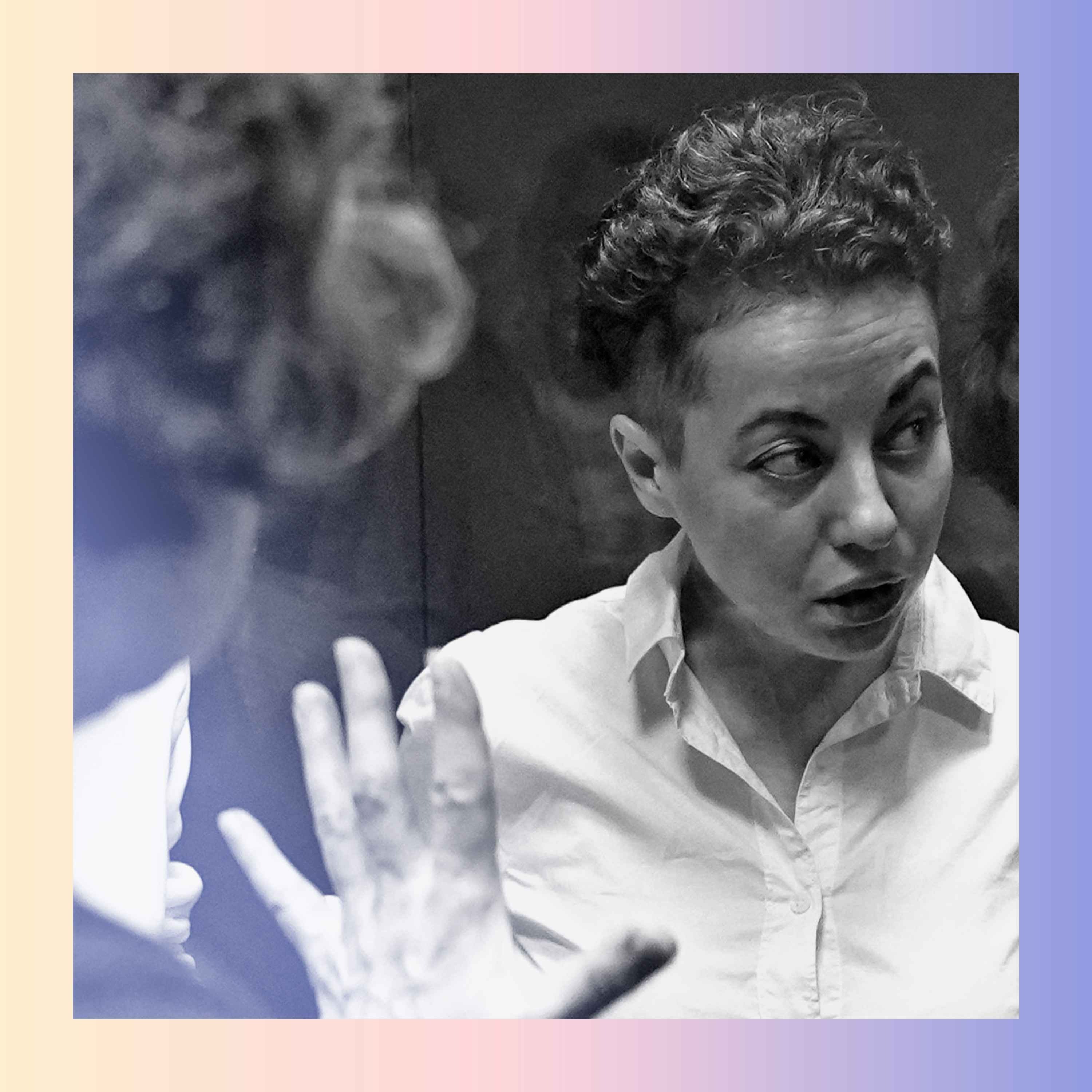
While many free-thinking Russians either fled the country or fell silent after the 2022 invasion, Evgenia Berkovich chose a third path: she stayed in Russia while continuing to write and create, including anti-war poetry. Her refusal to conform to the state-imposed dichotomy of exile or submission made her an intolerable example.
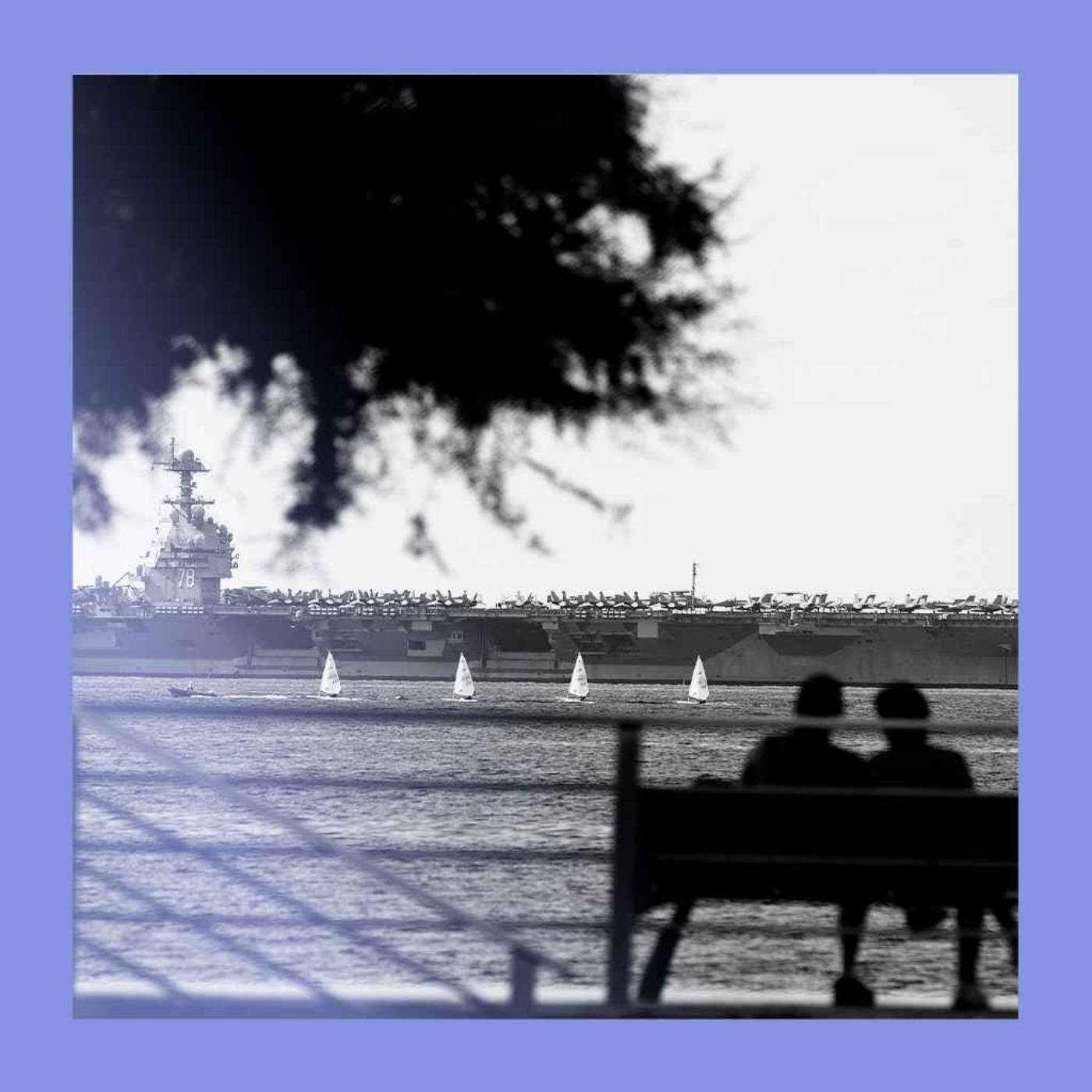
The Chinese phrase "dancing in shackles" captures the dynamic of creating and innovating within a rigidly constrained society. Originally used by journalists, the term now applies to software engineers and artists navigating the push-and-pull between state control and personal or economic expression online.

Authors like Persian poet Farid Uddin Attar and novelist Virginia Woolf process deep personal and societal trauma not by creating grim sagas, but by embedding their grief within dazzling, life-affirming narratives. This act of transformation turns profound suffering into lasting works of power and beauty.

According to Jane Fonda, authoritarian leaders thrive on an image of being impermeable and inevitable. Humor and ridicule are powerful weapons against this because they expose weakness and humanity, which authoritarians cannot tolerate. A comic making fun of a dictator shatters the carefully constructed facade of invincibility.
Director Evgenia Berkovich was not a political activist; she aimed to live a normal life and create art exploring human compassion. Her trial reveals that when a state becomes extremist, the simple act of portraying dignified, independent life free from state ideology is considered a subversive and criminal act.
Salman Rushdie posits that humor is more than just entertainment; it is a potent tool against oppression. He observes that dictators and narrow-minded individuals are characteristically humorless and that satire can provoke them more effectively than direct criticism, making it a crucial element in the struggle for free expression.
Shaka Senghor reframes the experience of incarceration not as a defining event, but as a revealing one. It strips away everything superficial and exposes a person's core essence, particularly their innate resilience and will to overcome adversity.